Camping in the Australian outback is fundamentally different from camping in coastal, alpine, or forested environments. Distances are vast, conditions are harsh, and mistakes compound quickly. In many areas there’s no reliable water, limited shade, no phone coverage, and little chance of outside assistance. Outback camping isn’t about comfort or convenience. It’s about preparation, restraint, and understanding your limits in an environment that offers very little margin for error.
This guide covers the key considerations for camping in Australia’s arid and desert regions, with a focus on safety, recovery, and responsible decision-making.
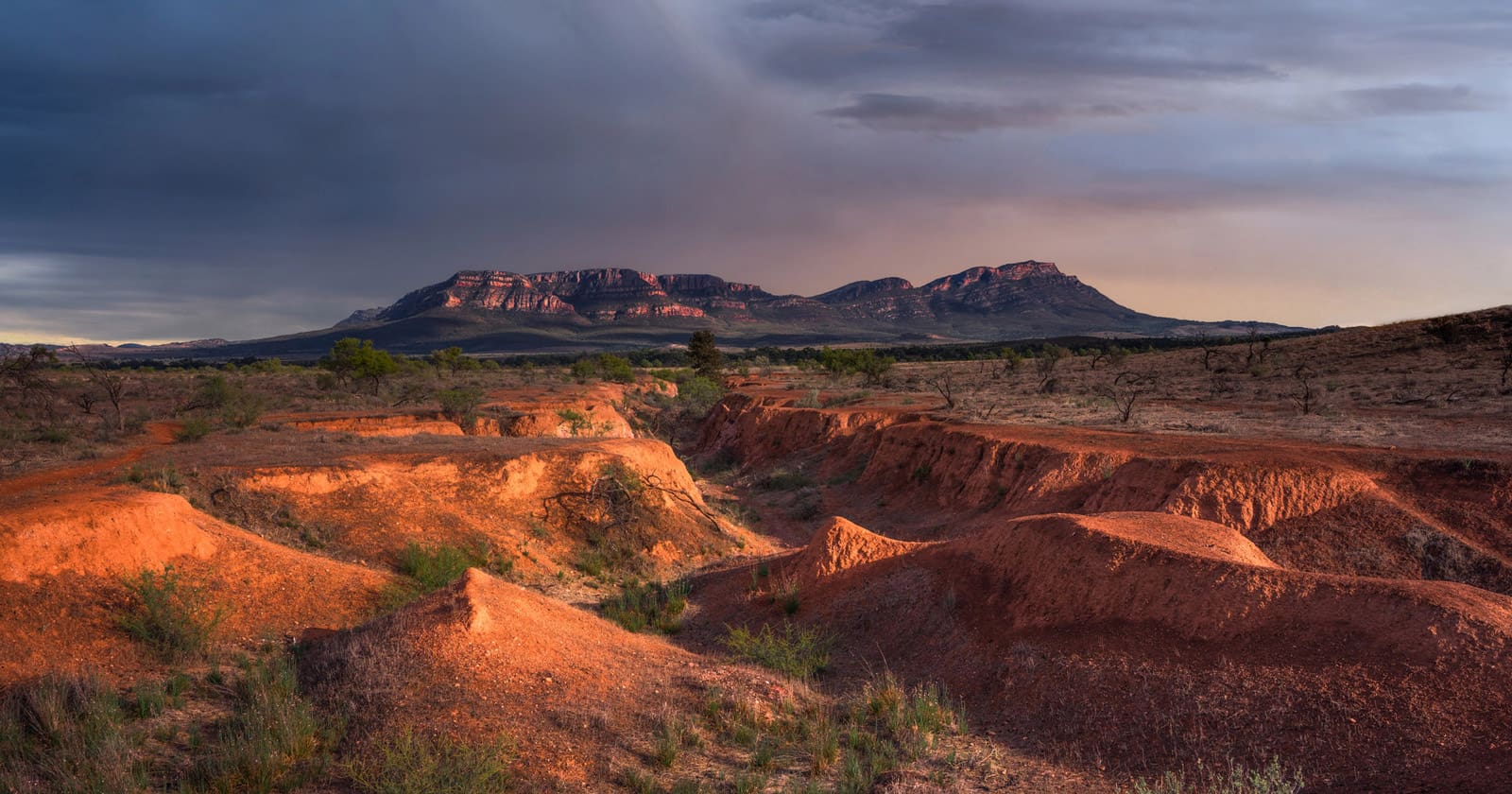
Understanding desert extremes
The outback is defined by temperature extremes, not just heat. Days can be intensely hot, while nights can drop to near freezing, even after a scorching afternoon. Clear skies, low humidity, and strong radiative heat loss mean overnight cold is a real risk, particularly when it’s combined with dehydration and fatigue.
Because of that swing, your clothing and sleep system need to account for the overnight lows, not the daytime highs. Layers, wind protection, and adequate insulation matter as much in the desert as they do in alpine environments, even though it doesn’t feel that way at three in the afternoon.
Water is the primary safety system
In the outback, water planning is what determines whether a trip is viable at all. You can’t assume water sources will be present, accessible, or safe to drink. Creeks marked on maps may be dry for years. Rockholes and soaks are often unreliable and can be culturally sensitive, which makes them inappropriate to rely on without local knowledge.
Carry water based on worst-case conditions, not optimistic estimates. That means accounting for higher consumption in heat, increased losses through sweat and evaporation, navigation delays, and the possibility of having to stop and wait out extreme conditions. Running low on water out there isn’t an inconvenience, it’s a trip-ending emergency.
If you’re thirsty, drink. A lot of people get into trouble trying to ration water, only to lose the judgement and physical capacity needed to make safe decisions in the process. Hydration is what supports clear thinking, navigation, and problem solving, so saving water at the expense of your decision-making usually leads to a worse outcome, not a safer one.
Managing heat and daily rhythm
Heat, not distance, is what ends most outback trips, which is why successful desert camping depends on adjusting your daily rhythm around it. Early starts, long midday rests, and moving in the late afternoon or evening are often safer and more sustainable than pushing through peak heat.
When you’re resting through the hottest part of the day, think about passive cooling. Avoid lying directly on hot ground, because it keeps transferring heat into your body the whole time you’re on it. Elevating yourself even slightly, on a pack, a log, or a rock ledge, or choosing a spot with airflow underneath you, can noticeably reduce heat load and improve how well you recover.
The campsite itself plays into this recovery too. A poor site with no airflow, no shade, and high radiant heat will compromise your sleep and increase heat stress the following day, so plan your days around recovery, not kilometres.
Choosing campsites in arid terrain
Outback campsites are chosen differently to those in wetter environments. Drainage is usually less of a concern, but exposure isn’t. Avoid camping in dry creek beds, claypans, or drainage lines, because these can flood rapidly during storms even when the rain itself falls many kilometres away. Look for sites that allow airflow while still offering some protection from wind.
Ground out there is often hard, rocky, or sandy, so choose durable surfaces and avoid fragile desert soils and cryptogamic crusts, which can take decades to recover from damage. Shade is valuable but limited. Where natural shade exists, treat it carefully and never damage vegetation just to improve your own comfort.
Overnight cold and sleep recovery
Cold nights are one of the most underestimated desert hazards, partly because dehydration reduces your body’s ability to regulate its own temperature, which makes cold stress more likely once the sun goes down. A suitable sleeping mat is critical here, since cold ground draws heat out of your body rapidly.
Good sleep in the outback isn’t a luxury. It’s what your judgement, navigation, and decision-making the following day actually depend on.
Navigation and remoteness
Outback terrain often lacks defined tracks and obvious landmarks, so a small navigation error can turn into a long detour, higher water use, and dangerous exposure very quickly. In a lot of areas, self-rescue is the only realistic option, which is exactly why you shouldn’t rely on a single navigation method. Carry maps, compass, and GPS tools, know how to use all of them, and understand their limitations in open, feature-poor terrain.
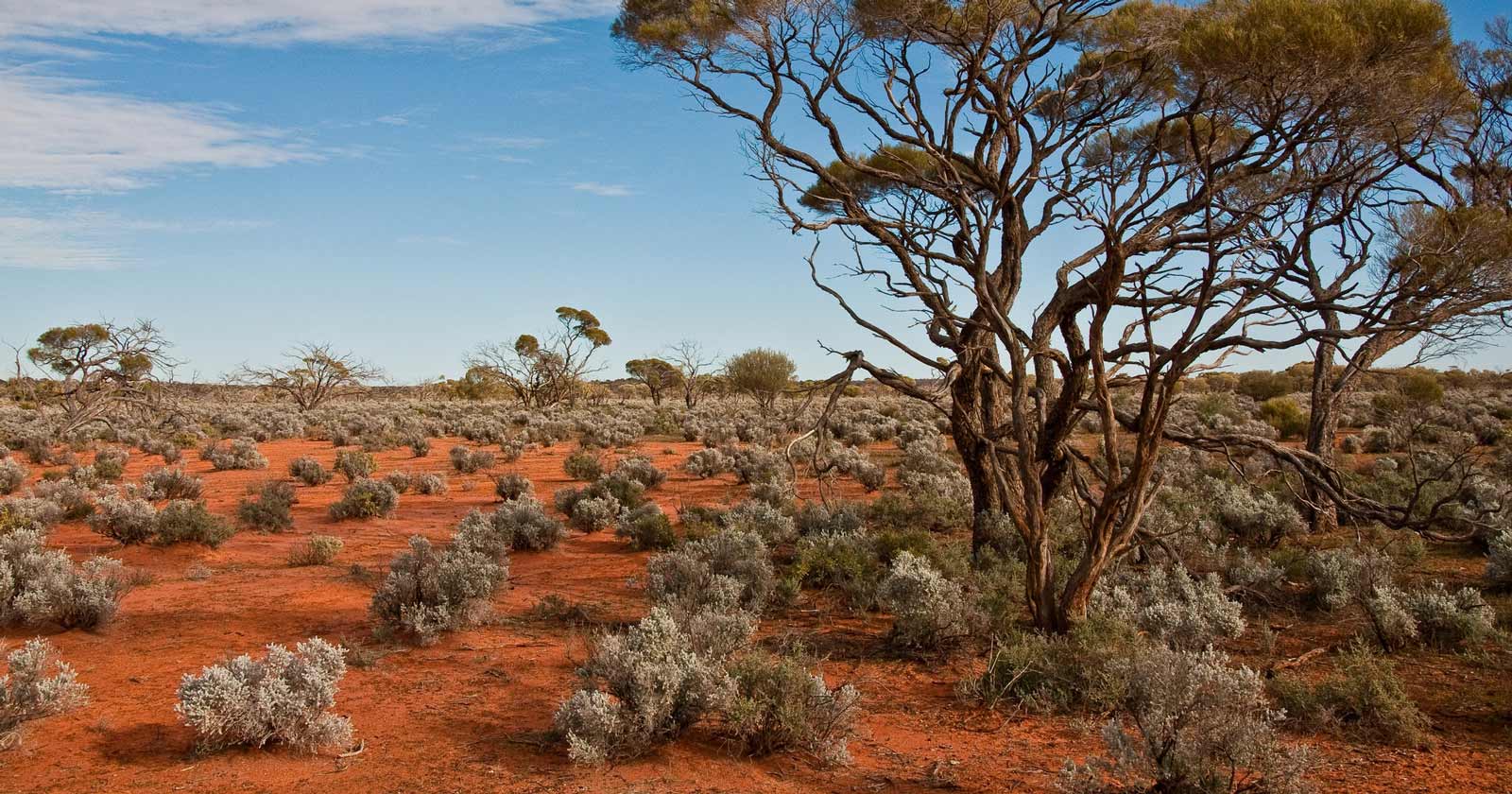
Campsite selection should factor in more than comfort here too. Proximity to safe onward travel and realistic bailout options matters just as much.
Wildlife, insects, and ground hazards
Outback wildlife is often most active at night. Snakes, scorpions, insects, and small animals may move through campsites after dark, so shake out your footwear in the morning before putting it on. A common outback practice is tucking socks over the tops of boots overnight, or hanging them off the ground, to reduce the chance of anything sheltering inside.
Use a groundsheet where appropriate, keep tents zipped, and avoid leaving clothing spread on the ground overnight. Food needs to be secured and kept well away from sleeping areas, because ants can overwhelm a camp quickly if food is spilled, and larger animals may investigate a camp where food smells are present. Give wildlife space and avoid anything that encourages animals to associate people with food.
Fire restrictions and fuel planning
Fire risk in the outback is constant and severe. Total fire bans are common, and campfires are often prohibited outright. Even where fires are permitted, conditions can change fast, and a fire that looks manageable can become dangerous very quickly. Plan to be fully self-sufficient without a campfire. A stove is usually the only appropriate option for cooking, and in extreme conditions even stove use may need to be reconsidered. Always check current fire restrictions and be prepared to change your plans around them.
Communication, permits, and emergency planning
Mobile phone coverage in the outback is rare or nonexistent, so a Personal Locator Beacon should be considered essential equipment, not optional. Satellite communication devices may also be appropriate depending on how remote you’re going. Leave a detailed trip plan with a trusted contact and set clear check-in expectations before you leave.
In remote areas, permits may be required, particularly on Aboriginal land, and access conditions can change, so check before you go rather than assuming last year’s information still applies. In the outback, help may be days away even after an emergency signal has been activated, which is the reality all of the above is planning for.
Leave No Trace in desert environments
Desert ecosystems recover extremely slowly, so avoid creating new campsites, damaging vegetation, or disturbing soil crusts. Pack out all rubbish, including food scraps, and manage human waste according to local guidelines. Water sources are especially sensitive here. Never contaminate soaks, rockholes, or ephemeral pools, and respect cultural restrictions where they exist. Low-impact behaviour isn’t a nice-to-have in this environment, it’s what preserves it.
Camping in the outback demands a different mindset to camping anywhere else in Australia. Success isn’t measured by distance covered or scenery collected, but by how well you manage heat, water, recovery, and risk along the way. Conservative decisions, realistic planning, and respect for the environment are what let outback trips stay safe and sustainable, and out there, the environment sets the terms. Good camping means listening to it and responding accordingly.
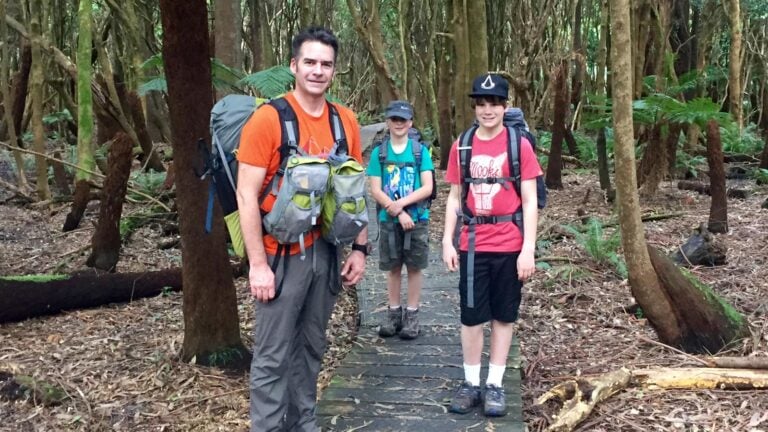
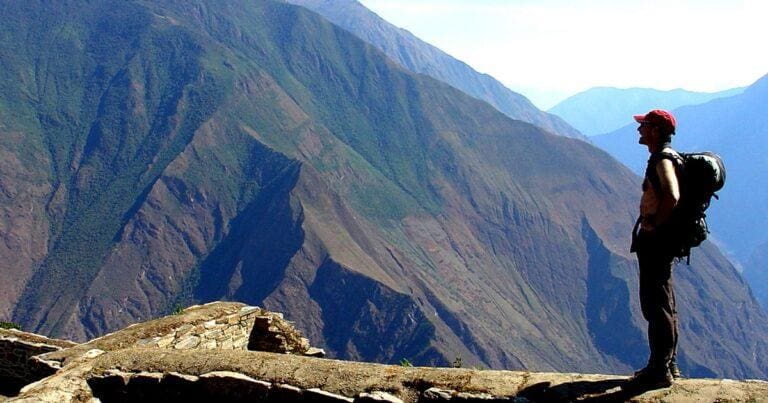





When we think of deserts, most people think of central Australia. The Little Desert National Park in Victoria is worth checking out too.
Little Desert National Park, situated approximately 350 kilometres west of Melbourne, Victoria, offers a distinctive experience within Australia’s arid regions. This expansive park, situated on the traditional lands of the Wotjobaluk people, safeguards a significant expanse of the region’s native ecosystems.
Find all the trails at https://www.trailhiking.com.au/hikes/region/little-desert-national-park/
Darren Edwards This is a new one for me 👍🤩 Gotta check it out at some point
Murky Murk plenty of walks around there including a multi day. Not sure how much I’d enjoy the sand walking but it’s pretty flat so might not be too arduous
Darren Edwards Walking on sand with a ruck is pretty horrendous…l definitely gotta go check this walk out now 😅