Where Sandplain Heath Meets the Wimmera River
Overview
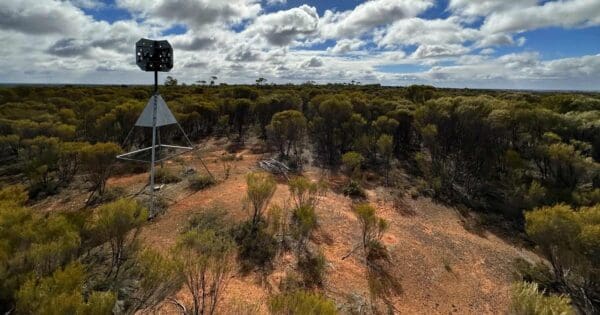
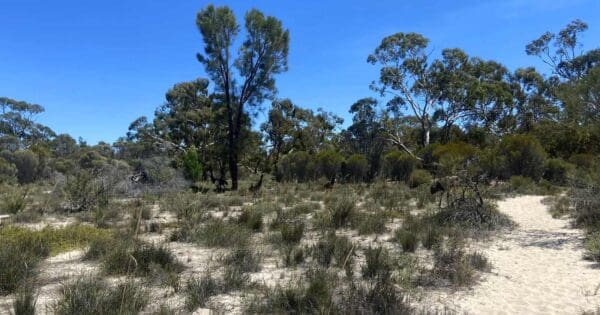
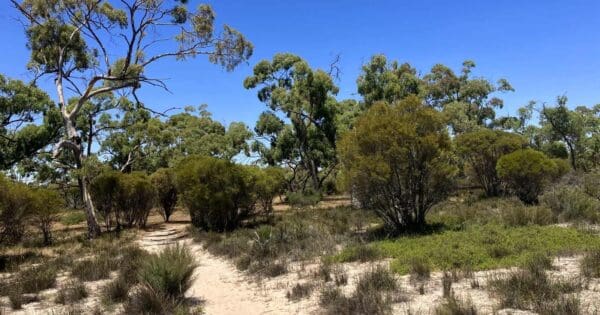
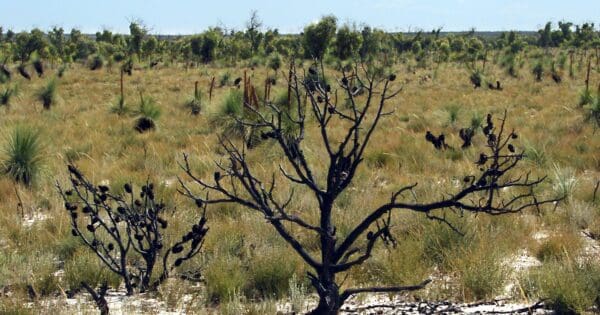
Little Desert National Park sits in Victoria’s Wimmera and stretches west from the Wimmera River to the South Australian border. Despite the name, it is not a barren desert. It is a broad sweep of sandy country shaped by low rainfall, nutrient-poor soils and long bands of native vegetation, with about 132,000 hectares protected across the park. Those conditions create a landscape that feels open, dry and quietly varied rather than harsh, and they support an unusually rich mix of plant communities and wildlife.
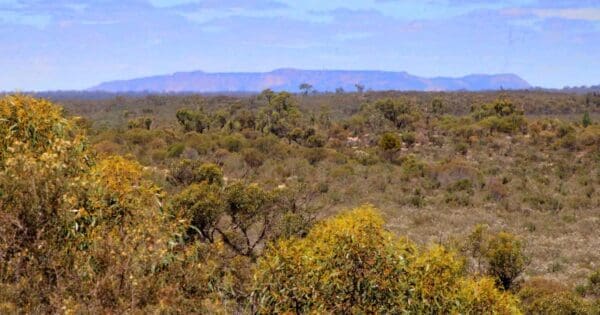
What makes the park distinctive is that contrast between dry inland country and the river corridor running along its eastern side. Across the park, changes in soil and rainfall produce clear shifts in vegetation, from heathlands and mallee to Yellow Gum communities, Black Box and Desert Stringybark woodlands, and patches of open forest. Along the Wimmera River, the character softens again, adding another layer to a place that can seem spare at first glance but reveals plenty once you slow down.
Highlights
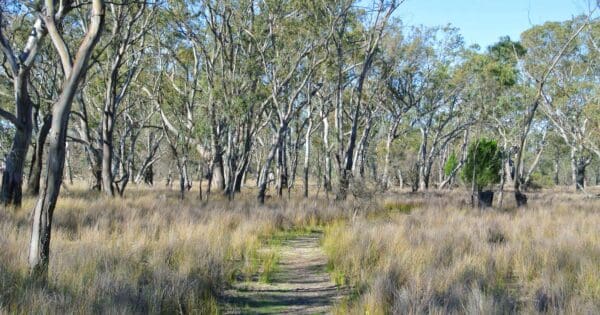
The scenery here is subtle and wide-ranging rather than dramatic. Low sandy rises, open bushland and heath create the park’s characteristic look, and much of its appeal comes from those long, relatively undisturbed landscapes. In the western part of the park, the remote and natural country gives a strong sense of space and separation from the surrounding agricultural district.
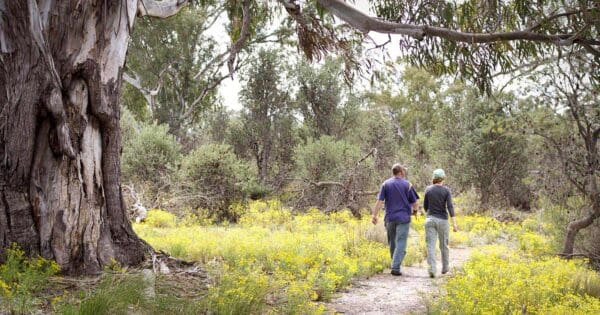
Another standout is the Wimmera River corridor, which cuts through the dry country and changes the feel of the landscape completely. It brings River Red Gums and riparian vegetation into a park otherwise known for sandplain heath and mallee, and that meeting of river country and desert country is one of the things that gives Little Desert its special character. Spring wildflower displays are also a real feature, adding colour across what can otherwise look like muted country from a distance.
Best Time to Visit
Late winter to early summer is the sweet spot. Temperatures are usually more comfortable then, and the park is at its most colourful when blossoms and wildflowers are out. That season also tends to show the contrast between the sandy inland country and the greener river corridor particularly well.
Plants and Animals
Little Desert National Park has strong conservation value because so many species have adapted to poor soils and limited water. The main vegetation communities include heathlands, mallee-broombush, mallee, Yellow Gum communities, Black Box and Desert Stringybark woodlands, and open forest. The park is also noted for its intact understorey in parts of the Yellow Gum country and for the range of orchid species it helps conserve.
Wildlife is a major part of the park’s identity, especially its birdlife. Malleefowl are one of the standout species here, and their habitat is treated as a priority. The park also supports many rare and threatened plants and animals, which is a big part of why this seemingly spare landscape matters so much ecologically.
Culture and Heritage
Little Desert National Park has a direct and ongoing connection with the Wotjobaluk people, especially along the Wimmera River, also known as Barringgi Gadyin. Cultural evidence recorded in the park includes scarred trees, shell middens, stone tools and oven mounds, showing a long history of Aboriginal presence and use of this country.