NSW’s Long Arc of Wild Coast
Overview
Yuraygir National Park stretches along more than 60 kilometres of the New South Wales north coast, running from Lake Wooloweyah near the Clarence River south to the Corindi River. It sits between Yamba and Coffs Harbour, with a long, broken edge of beaches, headlands, dune country, creeks and coastal lakes that gives the whole park a strongly ocean-shaped character.
What makes Yuraygir stand out is the scale of that coastline. It contains the state’s longest stretch of undeveloped coast, and even over a large area the scenery keeps changing, from broad sandy beaches and high dunes to rock platforms, estuaries and low heathy plains.
Highlights
Yuraygir is one of those coastal parks where the shape of the land does most of the talking. Freshwater and estuarine systems around the Wooli, Sandon and Corindi rivers sit alongside beach dune systems, high dunes, lagoons and perched lakes formed on sand over underlying coffee rock. That mix gives the park a distinctive look, with open ocean on one side and sheltered waters and wetlands tucked just behind the dunes.
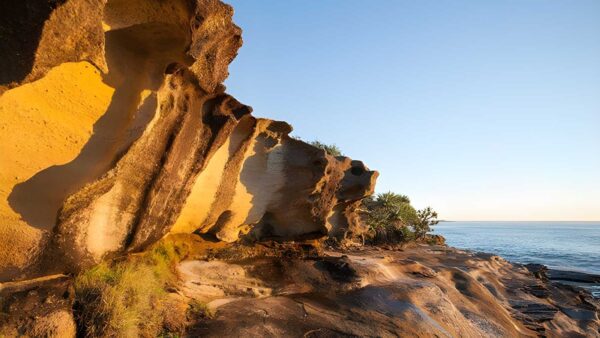
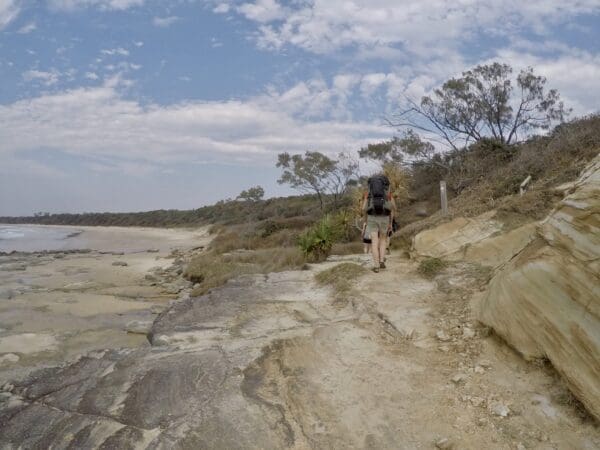
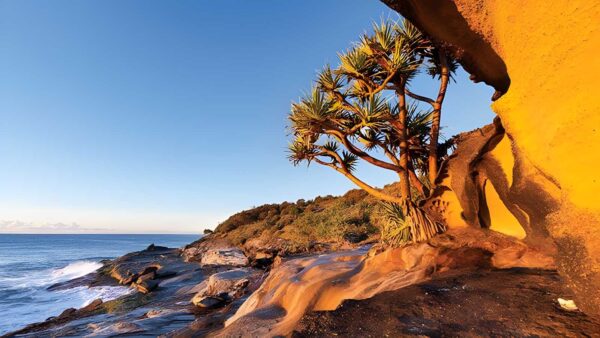
The headlands are another big part of its appeal. In places the low heath lets the coastline open right up, with long views north and south, while rocky points and smaller coves break up the sweep of sand. Around Shelley Headland and other sections of the coast, the scenery shifts again into pockets of littoral rainforest and coastal forest, adding a more sheltered, layered feel to the landscape.
Best Time to Visit
Yuraygir can be rewarding at any time of year, but the milder months are often the most comfortable for walking. Spring is especially appealing when heathland wildflowers are out, and the coast tends to feel at its clearest and most open. The warmer months suit anyone who wants the full beach-and-headland character of the park, while the cooler part of the year can be excellent for a quieter feel and for watching seasonal movement along the coast, including migrating whales offshore.
Plants and Animals
The park protects a rich mix of coastal habitats, including heathland, sedgeland, swamp forest, eucalypt forest and woodland, littoral rainforest, and both freshwater and estuarine wetlands. It also contains the most significant example of grassy clay heath remaining in New South Wales, which says a lot about how unusual some of Yuraygir’s plant communities are.
That habitat variety supports a wide spread of wildlife. Estuaries, beaches and rock platforms are important for wading birds during annual migration, while shorebird habitat along the coast is significant enough to be singled out for protection. Threatened species recorded here include the wallum froglet, wallum tree frog and green and golden bell frog, and green turtles have been seen nesting on remote beaches. The park’s forests and heath also support a broad birdlife mix, microbats and other native animals that rely on this long coastal corridor.
Culture and Heritage
Yuraygir National Park is part of the traditional lands of the Gumbaingirr and Yaegl people. Their connection to this country is ongoing, and many Gumbaingirr and Yaegl Elders living in the area retain traditional knowledge of the park landscape, its resources and its languages.