Dolerite Cliffs and Alpine Country Above Hobart
Overview
Wellington Park spreads across 18,011 hectares on Hobart’s doorstep, beginning at Kunanyi / Mount Wellington and running almost 30 kilometres west. It is a large reserved landscape rather than a national park, with a mix of alpine country, forested foothills, sandstone shelves, cliffs, creeks and water catchments that give the area a much bigger feel than its proximity to the city suggests.
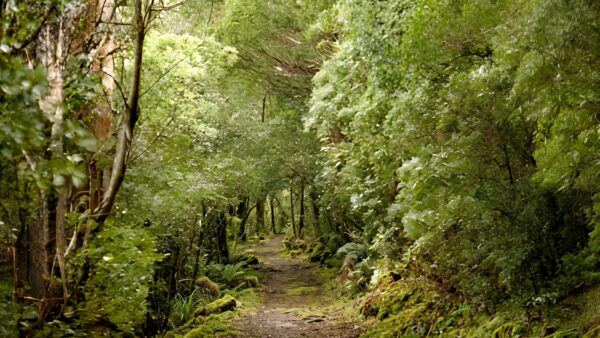
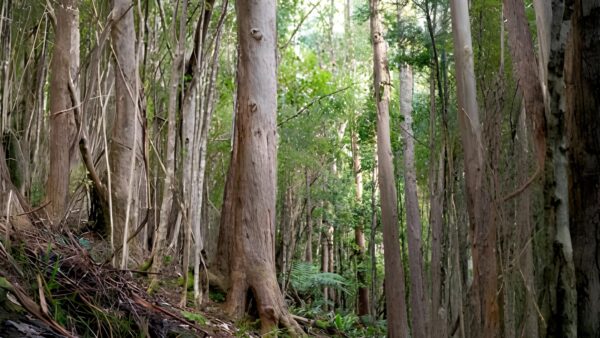
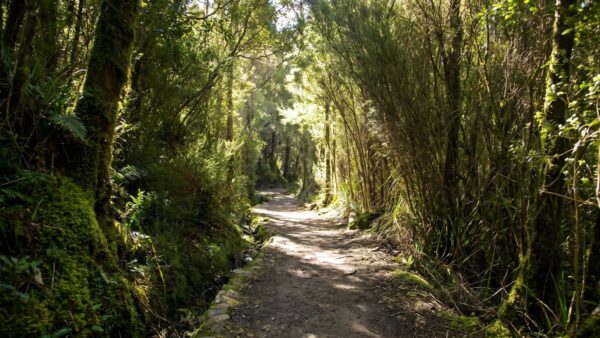
The park’s elevation range shapes much of its character. Lower slopes are often sheltered and green, while the upper mountain is more exposed, with colder conditions, snow at times and broad rocky country around the summit ridge. That contrast is one of the reasons Wellington Park feels so varied even within a relatively compact area.
Highlights
The defining feature here is the Wellington Range itself, with Kunanyi / Mount Wellington rising to 1,271 metres above Hobart. Its skyline includes well-known formations such as the Organ Pipes, Sleeping Beauty, Collins Cap, Collins Bonnet and Cathedral Rock, giving the park a strong visual presence from many parts of southern Tasmania.
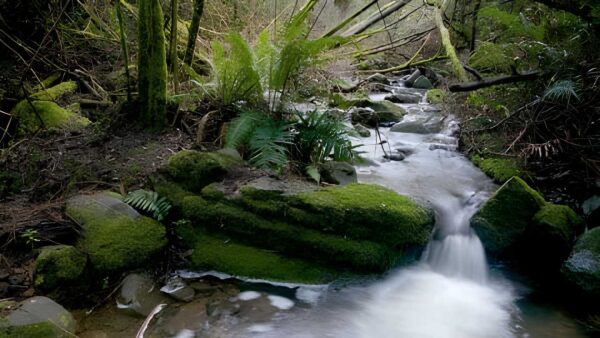
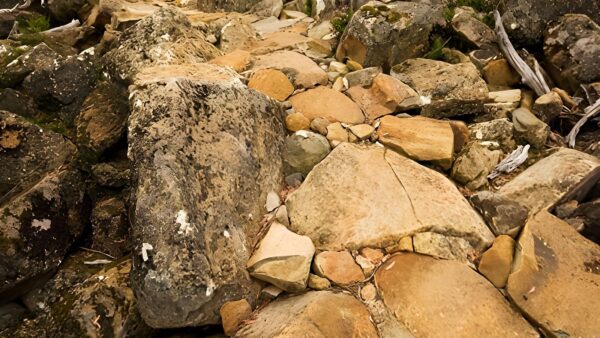
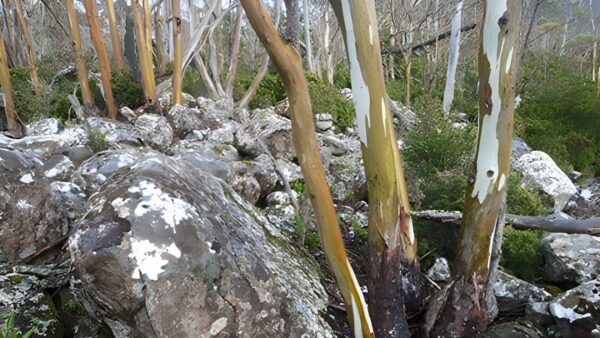
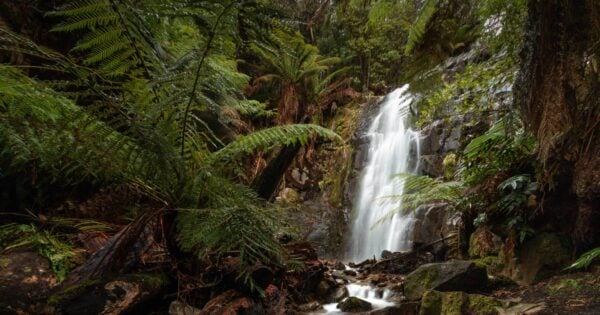
The geology is a major part of the scenery. Sheer dolerite columns, extensive boulder fields, sandstone cliffs and waterfall country all sit within the one reserve. Features such as the Yellow Cliffs and the Lost World cave system add another layer to the landscape, while the higher slopes also contain some of Tasmania’s most extensive periglacial landforms outside glaciated country.
Best Time to Visit
Wellington Park can be rewarding at any time of year, but the best period for most walkers is from late spring through autumn, when days are generally milder and the contrast between the cool upper slopes and the greener foothills is especially noticeable. Summer brings longer daylight and clearer mountain days, while autumn often has crisp air and good visibility.
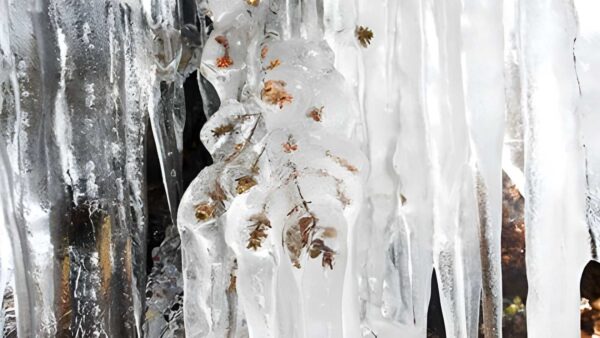
Winter has its own appeal, particularly when snow settles on the upper mountain, though the exposed alpine sections can feel very different from the lower park at the same time. Even outside winter, the upper slopes tend to be colder, wetter and windier than Hobart below, so the season you choose changes the feel of the place quite a bit.
Plants and Animals
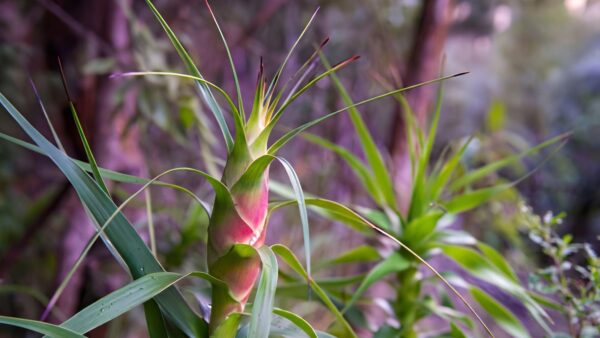
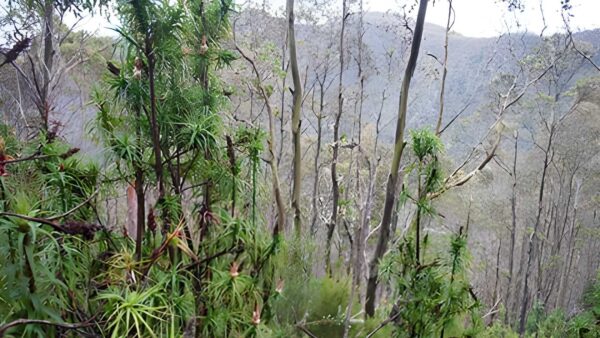
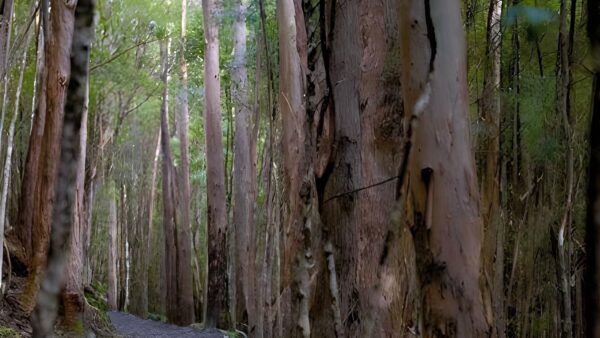
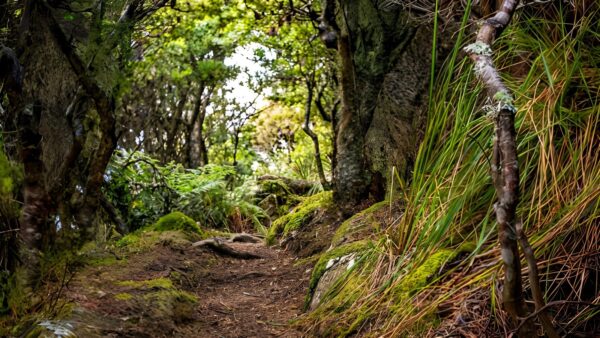
For its size, Wellington Park is remarkably rich in plant life. More than 500 native plant species have been recorded here, representing about 30 per cent of Tasmania’s native vascular flora, and more than 80 of those species are found only in Tasmania. The mountain is also recognised as one of the state’s richest sites for endemic plants, with a mix of alpine vegetation, wet forest, heath and other communities spread across different elevations and landforms.
The animal life is just as varied. At least 67 bird species have been recorded, including many of Tasmania’s endemic birds, and the park supports threatened species such as the wedge-tailed eagle, swift parrot and grey goshawk. Mammals found here include pademelons, bettongs, eastern quolls, platypus and echidnas, while the higher rocky country provides important habitat for the endemic long-tailed mouse. The park is also notable for its mosses, liverworts, lichens and a large number of invertebrates, some with very restricted distributions.
Culture and Heritage
Kunanyi / Mount Wellington and the Wellington Range are the traditional lands of the Muwinina people, and the broader park is part of a cultural landscape with continuing significance for Palawa. The mountain is known as Kunanyi, and its connection with Country extends well beyond visible sites or artefacts.
Within Wellington Park, sandstone rock shelters and stone artefacts are recognised as part of this Aboriginal heritage, and the area continues to hold spiritual, cultural and practical importance. The landscape has long been understood as a place of food, medicine and ceremonial resources, and as a living connection between present-day Palawa and their ancestors.