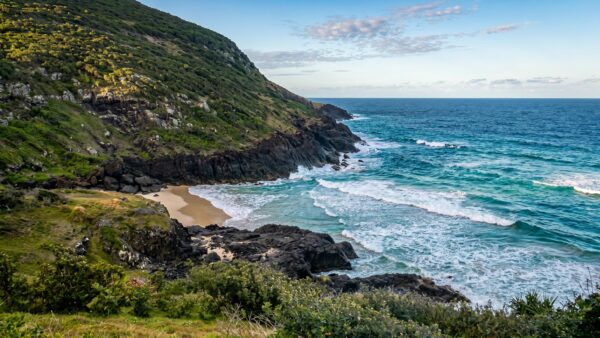
Sand Dunes, Wetlands and Headlands at Hat Head
Overview
Hat Head National Park sits on the Mid North Coast of New South Wales, between Crescent Head and South West Rocks, about 500km from Sydney. It protects a varied stretch of coast where long beaches, wetlands, rainforest pockets, rocky headlands and wide dune systems all meet in one place. That mix gives the park a distinct feel. It can shift quickly from open shoreline to sheltered gullies and then out again to exposed coastal country.
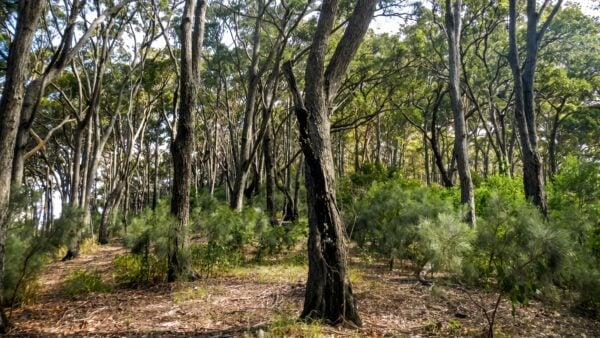
What stands out here is the scale of the landscape. The dunes are among the largest in New South Wales, and they continue to move inland over time, gradually reshaping nearby wetland areas. Across the park, higher ground carries eucalypt woodland, while moister gullies support rainforest and the more sheltered parts of the coast hold heath and littoral rainforest.
Highlights
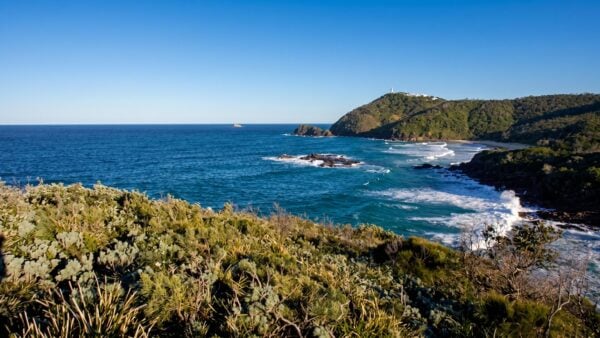
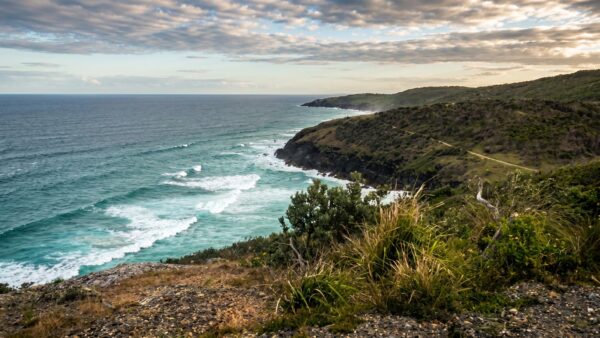
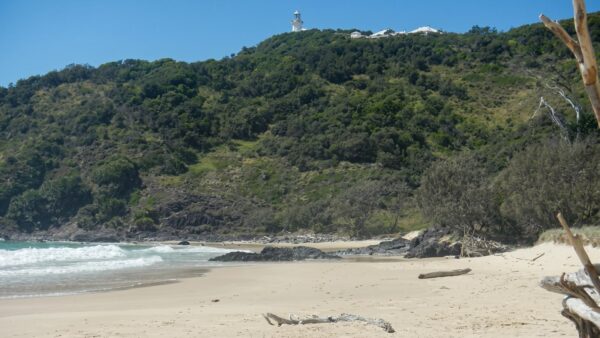
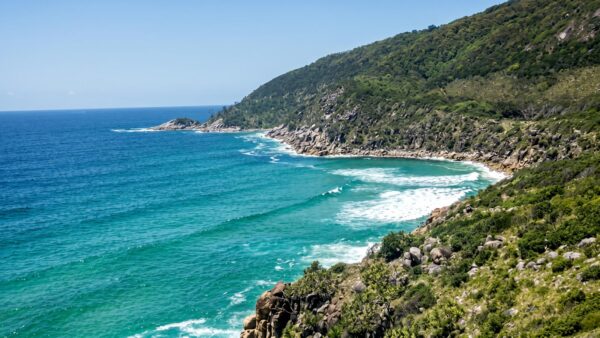
The big scenic drawcards are the long sweep of Smoky and Killick beaches, the bold outline of Smoky Cape and Korogoro Point, and the contrast between bright sand, dark headlands and dense green vegetation. The dunes are especially striking, forming a broad coastal barrier that changes the shape of the land behind them.
Smoky Cape adds another layer to the scenery, with rugged headland country and far-reaching coastal views. Around the park, the combination of beaches, wetland flats, rocky points and sheltered forested pockets gives the landscape a lot of variety without ever losing that strong coastal character.
Best Time to Visit
Spring is a particularly rewarding time to be here, when birdlife is active and glossy black-cockatoos may visit to feed on ripe she-oak seeds. At that time of year the mix of coastal heath, woodland and wetland also feels especially lively. Outside spring, the park’s beaches, headlands and dune country give it year-round appeal, with the best conditions depending more on the kind of landscape you want to spend time in than on any single season.
Plants and Animals
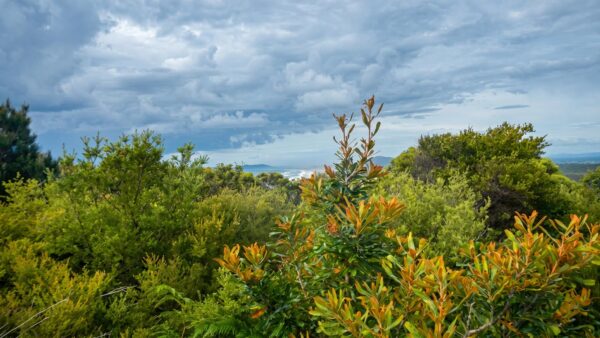
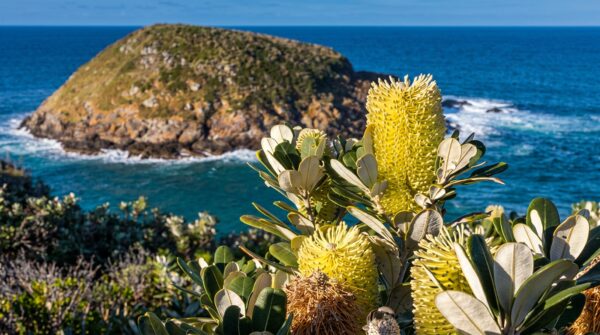
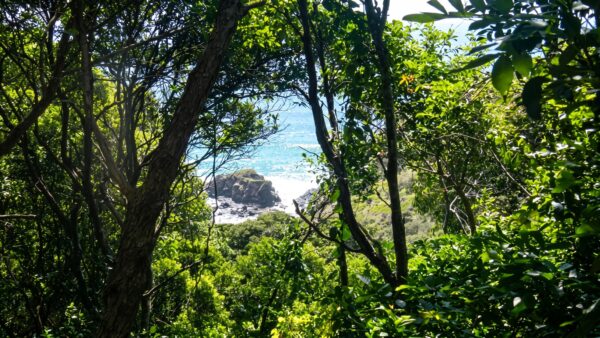
Hat Head National Park sits at an interesting meeting point for species ranges, holding the northern limit for some temperate plants and animals and the southern limit for many tropical and subtropical ones. That helps explain why the vegetation changes so noticeably across the park, from eucalypt woodland on higher ground to rainforest in gullies, coastal heath on exposed headlands, and littoral rainforest and palm forest in more protected spots.
Birdlife is a big part of the place, with black swans, egrets, herons, fantails and honeyeaters regularly recorded, along with birds of prey such as hawks, falcons and eagles. Resident mammals include red-necked and swamp wallabies, grey kangaroos and sugar gliders. One of the more distinctive species here is the regent skipper butterfly, which is only found in Hat Head National Park and Limeburners Creek National Park.
Culture and Heritage
Hat Head National Park is part of the traditional land of the Dunghutti people and remains a significant place. The sea, rivers and wetlands have long provided food, and the park still contains important evidence of Aboriginal occupation and cultural life, including ceremonial grounds, burial sites, shell middens and campsites.
The park also has a longer recorded history tied to the coast around Smoky Cape, whose name dates back to James Cook’s 1770 voyage along the east coast when fires were seen on the headland.