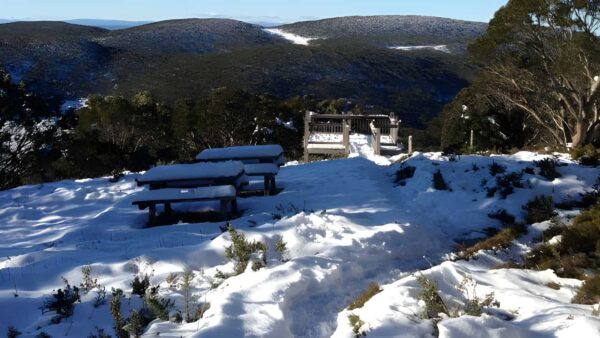
Snow Gums, Granite Tors and the High Country Edge of Baw Baw
Overview
Baw Baw National Park protects a large part of the Baw Baw Plateau along with sections of the Thomson and Aberfeldy river valleys in Victoria’s east. From Melbourne it sits about three hours away, and the character of the park changes quickly with altitude, from tall, damp forests in the lower country to sub-alpine woodlands, heath and open plateau country higher up.
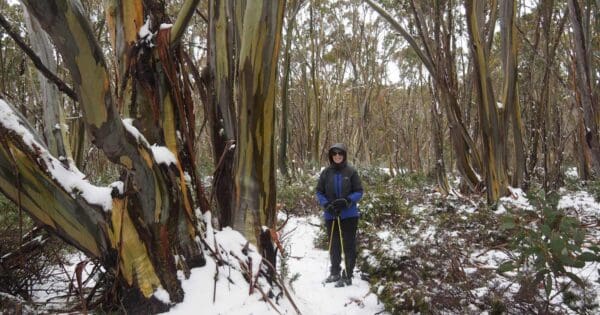
That contrast is a big part of what makes the park memorable. Snow gums and alpine heath spread across the plateau, while the surrounding slopes and gullies hold taller forests and pockets of cool temperate rainforest. In winter the upper country is shaped by snow, and in the warmer months the same country shifts into a landscape of wildflowers, mossy wetlands and long views across the ranges.
Highlights
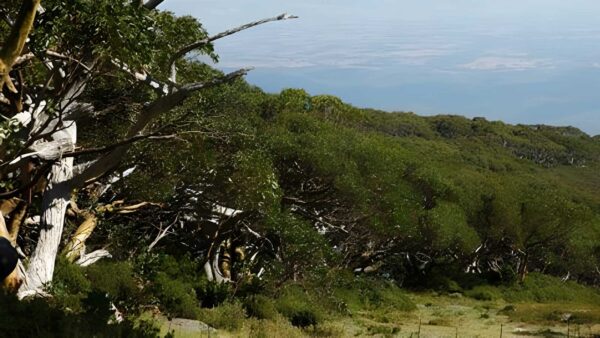
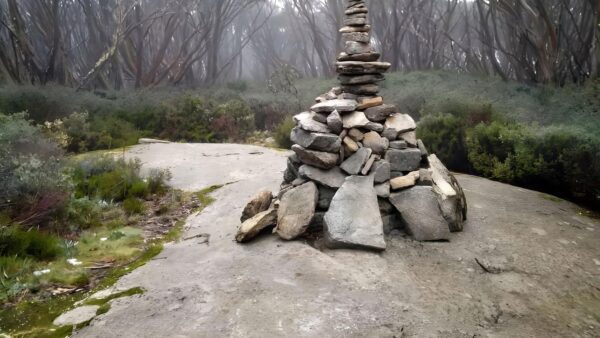
The park’s most distinctive scenery is found on the plateau itself, where twisted snow gum woodlands, open sub-alpine ground and weathered granite outcrops give the country a stark, high-elevation feel. Mushroom Rocks is one of the best-known natural features, with giant rock formations rising from the forest and adding to the unusual look of the plateau.
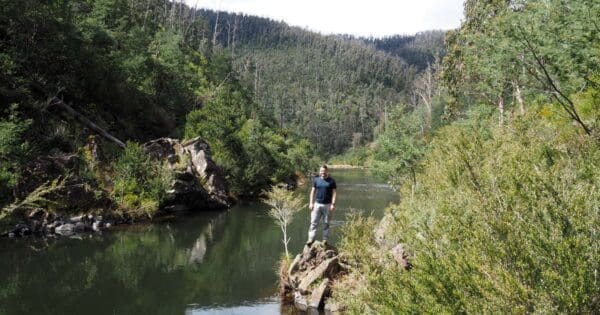
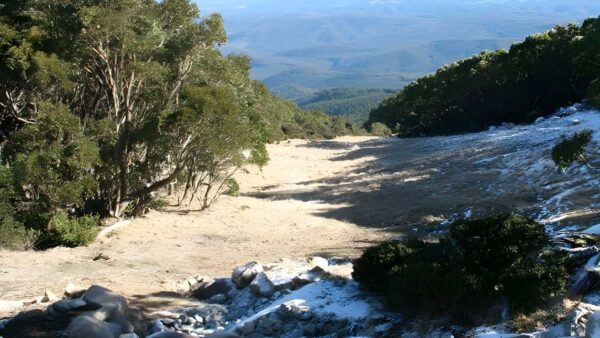
Beyond the high country, the landscape drops into deeply cut river valleys and heavily forested slopes. The Thomson and Aberfeldy valleys bring a different sense of scale, with tall forests, sheltered gullies and a more enclosed mountain landscape than the open plateau above.
Best Time to Visit
Baw Baw National Park changes more with the seasons than many lower-elevation parks. Winter brings snow to the plateau and gives the upper park its cold-climate character, while late spring and summer are better for seeing the alpine and sub-alpine vegetation at its liveliest.
Spring into early summer is especially rewarding when wildflowers appear across the plateau and heathlands. If you want the clearest sense of the park’s variety, the warmer months show the contrast between the snow gum country up high and the tall forested valleys below.
Plants and Animals
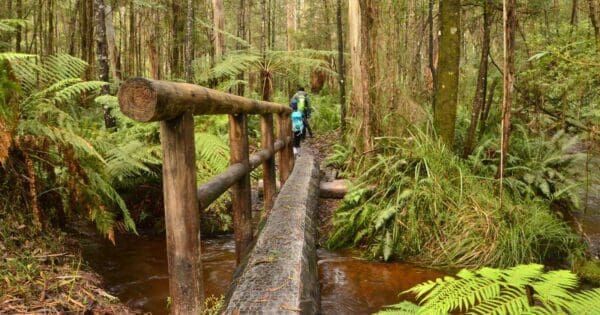
The plant life shifts noticeably with altitude. On the plateau there are extensive sub-alpine woodlands dominated by Snow Gum, with alpine heath, wet heathland and sphagnum peatland around clear pools and boggy ground. Lower down, the forests change through Alpine Ash, Shining Gum and Tingaringy Gum, then into Mountain Ash, Messmate and Silver Wattle, with sheltered gullies supporting cool temperate rainforest and ferny understorey.
This mix of alpine, sub-alpine and montane habitats supports a number of specialised animals. One of the best known is the Baw Baw Frog, an endemic species associated with this mountain country. The broader alpine ecosystems also support other threatened fauna linked to peatlands, wetlands and snow gum woodland.
Culture and Heritage
Baw Baw National Park is part of an Aboriginal cultural landscape that includes the traditional Country of the Gunaikurnai and Wurundjeri Peoples.