Hike at a glance

Length
Duration
Difficulty
Trail type
Trail details
Max elevation: 982m
Min elevation: 853m
Total Ascent: 135m
Check current conditions
Track conditions, access and closures can change quickly due to weather, fire, maintenance or safety concerns. Always check the relevant land manager’s website and conditions before you visit. Trail Hiking Australia does not provide real-time track and closure monitoring, and land managers remain the authoritative source for current alerts, closures and access restrictions.
About this trail
Trail difficulty

Uneven terrain and steady climbs
These walks require a reasonable level of fitness and confidence on rough ground. Expect hills, rough surfaces, and sections with steps or short, steeper climbs.
While not technically difficult, these tracks are no longer "easy" and can feel demanding over distance, especially in heat or with a pack. Some bushwalking experience is recommended, particularly for managing footing and pacing. Distances can extend up to 20km.
Worth knowing: Many hikers underestimate Grade 3 when conditions change or fatigue sets in.
Planning information
Preparation matters: Plan your short walk well and bring the right gear, weather-appropriate layers, food and plenty of water. Before you head out, read up on bushwalking safety and use this day hike planning guide to make sure you're ready. Need help getting started? Check out the full hike preparation guide.
Map and GPX file
Safety and preparation
Think safety first
Australian conditions can turn a small oversight into a serious situation faster than most walkers expect. The Hiking Safety Systems and planning calculators are designed to help you identify and close those gaps before you leave home. Work through the Interactive Safety Scenarios to see how incidents unfold, then use the tools to build your plan and make sure a trusted contact has your trip details before you head out.
Free checklists
Download the hiking preparation and safety checklists before leaving home to help you think through your plans. They help ensure important considerations are not overlooked and support safer decision-making on the trail.
Let someone know
Before you go, complete a trip intentions form and share it with a trusted contact. Agree on a Late-Back Time and ask them to call 000 (Police) if you have not checked in. A clear trip plan is one of the simplest and most effective safety steps you can take, and it only takes two minutes.
Heading somewhere remote, off-track or overnight? Use the comprehensive trip intentions form instead — your emergency contact will need more detail. Register your trip plan here →
Getting there and travel options
Travel arrangements
Whether you are travelling from across Australia or exploring closer to home, these options can help you organise your journey to the trail and make the most of your visit.
✈️ Find flights →
🚗 Compare car hire →
🥾 Explore nearby experiences →
Accommodation before / after your walk
Find hotels, cabins, and campgrounds near the trailhead. Click the button below to open an interactive map automatically centred on this hike's location — no searching required.
Or search accommodation in nearby towns: Cygnet, Dover, Franklin, Geeveston, Hastings, Huonville
Explore the region
About the region
More hikes nearby
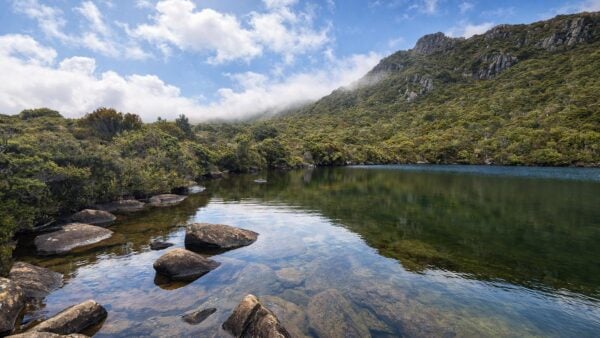
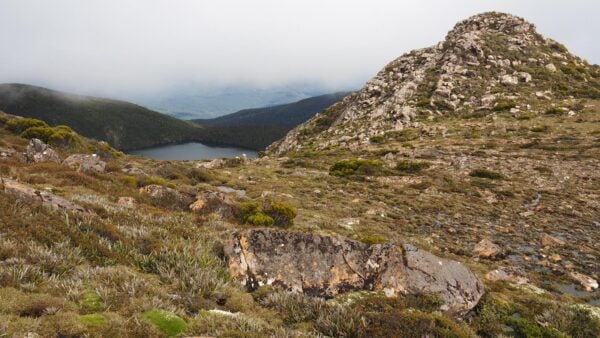


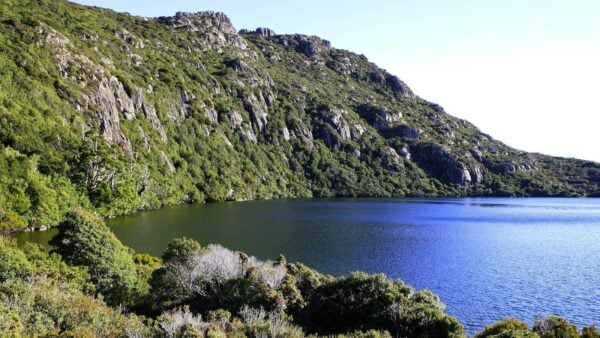

Photo gallery
Do you have any photos from this hike?
Your photos can help others plan. Share shots from along the trail so fellow hikers know what to expect.
Weather on the trail
The map below shows the rain forecast for the trail area. Tap the toggle in the top right corner to explore other layers including wind, temperature, UV index, thunderstorms, fire danger, and weather warnings — all useful for planning a safe hike.
Trail Reviews
Notice something different about this trail?
Whether it’s a new feature, a route change, or permanent closure, share your update so we can keep our info accurate and helpful for fellow hikers.
Acknowledgement of Country

Trail Hiking Australia acknowledges the Traditional Owners of the lands on which we hike and pay respects to their Elders, past and present, and we acknowledge the First Nations people of other communities who may be here today.


