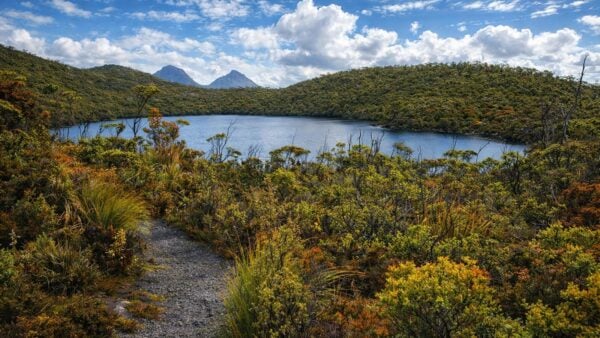
Ice-carved country on Tasmania’s southern highlands
Overview
Hartz Mountains National Park sits at the southern end of the Huon Valley, about 85 km south of Hobart and 21 km south-west of Geeveston. It forms part of the Tasmanian Wilderness World Heritage Area and protects a compact but striking section of alpine country where dolerite ridges, glacial lakes, waterfalls and high moorlands come together.
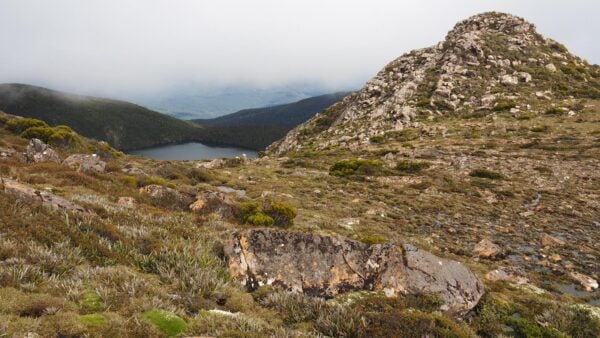
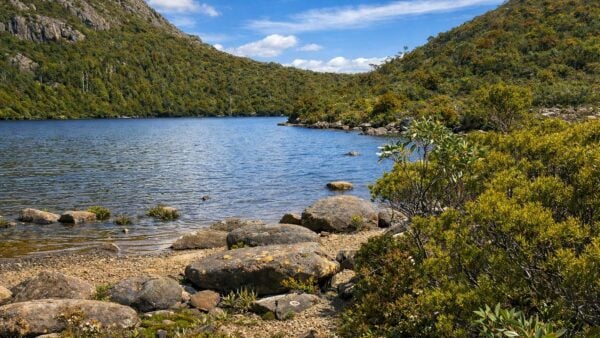
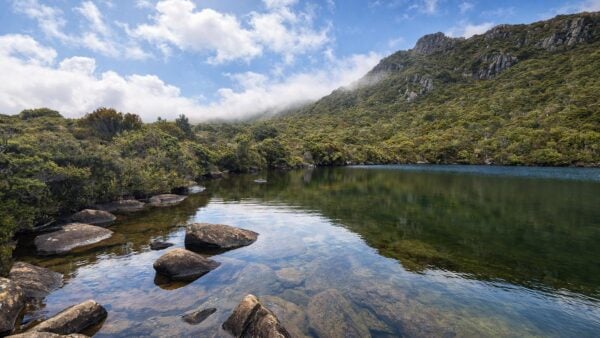
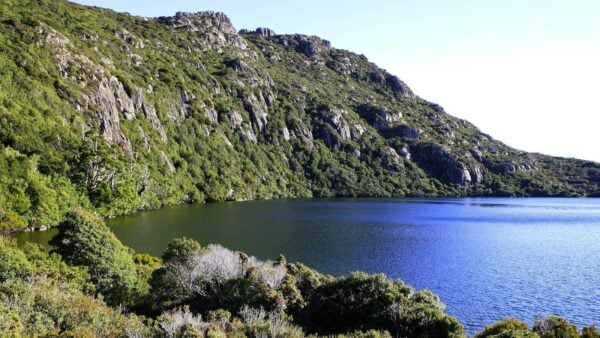
What gives this park its particular character is the way the landscape has been shaped by ice. The high backbone of dolerite was heavily affected by glacial erosion, leaving cirques, sharp ridges, troughs and small lakes across the range. That combination of exposed mountain country and clearly readable glacial landforms makes the park feel distinct from Tasmania’s forested lowlands.
Highlights
The big draw here is the scenery of the upper plateau and surrounding ranges. Dolerite peaks rise above a landscape cut and hollowed by ancient glaciers, with waterfalls dropping from the high country and small lakes tucked into basins left behind by the ice. Across the park, the mix of steep rock forms and open alpine ground gives the views a broad, rugged feel.
Even the lower viewpoints hint at that larger landscape, with long sightlines towards the south-west mountain ranges and, in clear weather, a real sense of how this park sits on the edge of Tasmania’s remote south-west. It is a place of strong landforms rather than one single landmark, and that is what makes it memorable.
Best Time to Visit
Hartz Mountains National Park changes a lot with the seasons. Spring and early summer are especially appealing for alpine flowering plants, including the bright red Tasmanian waratah, while the warmer months generally make it easier to appreciate the open plateau, lakes and distant ranges. In winter, snow and freezing conditions give the park a very different look, with the high country often feeling stark and severe.
If you are choosing purely for scenery and plant life, late spring into early summer is one of the most rewarding times to be here.
Plants and Animals
The park covers a surprisingly varied range of vegetation for a relatively compact mountain area, from wet eucalypt forest and rainforest through to subalpine woodland and alpine plant communities. Higher up, the vegetation becomes lower and more specialised, shaped by cold conditions, shallow soils and exposure.
It is also known for its alpine flora values, including species found only in Tasmania. The red-flowering waratah is one of the most noticeable seasonal displays. Among the animals, the park supports a substantial share of Tasmania’s native land fauna and birdlife, and the Hartz Mountains are also the type locality for the moss froglet, a small endemic frog associated with wet mountain environments.
Culture and Heritage
The Hartz Mountains area and its surrounding forests continue to hold significance for Tasmanian Aboriginal people. Official material for this specific place records that the Mellukerdee people would have travelled inland from coastal areas to hunt wallabies and gather plant foods, and that Aboriginal occupation has been recorded at lower altitudes in the area.
The park also has a long place in Tasmania’s walking history, with the Hartz Mountains recognised as one of the state’s earliest popular bushwalking destinations.