Protein rarely receives as much attention as carbohydrates in hiking food plans. Carbohydrates provide accessible fuel for working muscles and the brain, so they understandably dominate discussions about maintaining energy on the trail. Protein has a different role. It provides the amino acids needed to maintain and repair body tissues, supports recovery between walking days and helps preserve muscle when energy intake falls short.
This becomes increasingly relevant on multi-day hikes. One long day may leave you tired, but several long days in succession create a continuing cycle of muscle use, tissue breakdown and repair. Your evening meal is not simply replacing the energy used that day. It is also helping prepare your body to carry another pack, climb another ridge and repeat the effort the following morning.
What protein does during a hike
Walking for hours under load places repeated stress on the muscles of the legs, hips, back and shoulders. Descents create substantial eccentric loading as muscles work to control each step, while steep climbs and a heavy pack increase the force required from the lower body. Protein supplies amino acids that contribute to the repair and remodelling that follow this work.
Protein also supports enzymes, hormones, immune function and many other processes that continue regardless of whether you are at home or several days into a walk. It can improve the staying power of meals and snacks, which is useful when there is a long interval before the next opportunity to eat. However, protein should not be treated as the main fuel for hiking. The body can use amino acids for energy, particularly when food intake is inadequate, but this is not the role you want protein performing if sufficient carbohydrate and total energy can be supplied.
Protein does not replace carbohydrates
A common mistake is to increase protein while allowing carbohydrate intake to fall too far. A high-protein meal may feel substantial, but it will not restore muscle glycogen as effectively as carbohydrate. On steep, fast or technically demanding sections of trail, the body relies heavily on carbohydrate because it can provide energy at a rate that fat and protein cannot match.
Protein works best as part of a broader meal rather than as a substitute for fuel. A recovery dinner might combine rice, pasta, couscous or potato with meat, fish, lentils, beans, textured vegetable protein or dairy. The carbohydrate helps replenish energy stores, while the protein supplies material for repair. Adding vegetables, seasoning and some fat produces a meal that is more satisfying and easier to look forward to after a long day.
How much protein do hikers need?
There is no single target that suits every hiker. Body size, age, training history, trip difficulty, total energy intake and the number of consecutive walking days all influence need. Sports nutrition guidance commonly places active people within a broad range of about 1.2 to 2.0 grams of protein per kilogram of body weight each day. The lower end may be adequate for moderate recreational activity with sufficient food, while harder training, repeated demanding days or restricted energy intake can increase the value of a higher intake. These figures are general planning ranges rather than a prescription for every person.
For a 70-kilogram hiker, the broad range would equate to approximately 84 to 140 grams across the entire day. That does not mean a recreational hiker must reach the upper end, nor does it mean carrying enormous portions of meat. It illustrates why a token amount of protein at dinner may be insufficient when breakfast, lunch and snacks contain very little.
Total energy intake matters just as much as the protein figure. When the body is consistently underfed, some dietary protein may be used to meet energy demands rather than being available for repair. Eating more protein does not fully correct a diet that is short of food overall. Adequate carbohydrate and total energy help spare amino acids for the functions protein performs best.
Spread protein through the day
Many hikers eat mostly carbohydrate during the day and attempt to catch up with one very large protein serve at dinner. A more useful approach is to include moderate amounts at breakfast, lunch, dinner and one or two snacks. Sports nutrition guidance increasingly emphasises the distribution of protein rather than concentrating nearly all of it in one meal. Moderate servings spaced across the day give the body repeated opportunities to use the amino acids supplied.
Breakfast might include milk powder in porridge, a higher-protein cereal, nuts, seeds or a powdered dairy or soy drink. Lunch could include tuna, salmon, chicken, cheese, hummus powder, nut butter or a legume-based spread. Snacks might include jerky, roasted chickpeas, nuts, milk-based drinks or a bar with a meaningful protein content. Dinner can then provide another substantial serve without needing to carry the entire day’s protein burden.
There is no need to become preoccupied with a narrow recovery window after walking. Eating a useful meal within a reasonable period after reaching camp is practical, particularly if another demanding day follows. The wider pattern across the day remains more important than racing to consume a supplement within minutes of taking off your pack.
Practical protein sources for hiking
The best trail protein is not necessarily the food with the highest protein percentage. It must also suit the temperature, trip duration, cooking method, pack space and your willingness to eat it after several days. Shelf stability matters, particularly in warm conditions where ordinary fresh meat, soft dairy foods and prepared meals cannot be kept safely cold.
Jerky and properly dehydrated lean meat provide concentrated protein with no cooking-water requirement, although they can be salty and difficult to eat in large amounts. Tuna, salmon and chicken in shelf-stable pouches are convenient for shorter trips or individual meals, but the packaging weight accumulates and opened portions should be eaten immediately. Hard cheese can work well in suitable conditions, although its storage life depends on the type of cheese, temperature and handling. It should not be assumed that every cheese remains safe indefinitely in a warm pack.
Milk powder is one of the most versatile options because it can be added to porridge, cereal, mashed potato, sauces, drinks and desserts. Protein powder is lighter and more concentrated, but milk powder contributes carbohydrate, minerals and flavour as well as protein. Powdered egg can be useful for breakfast or incorporated into meals, provided it is stored dry and prepared according to the manufacturer’s directions.
Plant-based choices include lentils, beans, chickpeas, textured vegetable protein, soy products, nuts, seeds and nut butters. Lentils and textured vegetable protein are particularly useful in dehydrated dinners because they rehydrate reasonably well and absorb surrounding flavours. Nuts and seeds provide protein, but much of their energy comes from fat, so they should not be counted as highly concentrated protein foods in the same way as lean meat, fish or isolated protein powder.
Protein quality and plant-based hiking
Animal proteins generally contain all essential amino acids in proportions readily used by the body. Plant foods vary, but hikers do not need to combine carefully matched proteins at every individual meal. Eating a varied selection across the day is usually more practical. Grains, legumes, nuts, seeds and soy products complement one another when the overall diet is varied and sufficient.
Vegetarian and vegan hikers should pay particular attention to total food intake because many plant-based meals are bulky relative to their energy content. A large bowl of lentils may provide useful protein at home, but carrying and cooking an equivalent amount on the trail may require more food weight, water and stove fuel than expected. Textured vegetable protein, dehydrated legumes, powdered hummus, soy milk powder, nuts and nut butters can improve both protein content and practicality.
Iron, vitamin B12, calcium and overall energy intake may also require consideration in a fully plant-based hiking plan. This does not make plant-based hiking food inadequate. It simply means that variety and deliberate planning matter, particularly on longer trips or when the hiker already follows a restricted diet.
Protein powders and supplements
Protein powder can be useful when ordinary food would be too heavy, bulky or inconvenient. It mixes into porridge, drinks, desserts and some savoury meals, and it can make breakfast more balanced without requiring another cooking step. Single portions should be packed carefully and clearly labelled, particularly when travelling with several similar white powders.
A supplement does not automatically improve a hiking diet. If total protein intake is already adequate, adding more powder may simply increase cost and produce a meal that is less enjoyable. Some products contain sugar alcohols, gums, sweeteners or large flavouring loads that cause bloating or digestive discomfort in susceptible people. A product that works well after training at home should still be tested before relying on it during a remote trip.
Whole foods also contribute nutrients, texture and satisfaction that isolated powder cannot provide. Protein powder is best viewed as a practical tool for filling a genuine gap, not as a compulsory part of hiking recovery.
Building protein into breakfast
Breakfast is often the lowest-protein meal in a hiking plan. Plain oats made with water provide useful carbohydrate but may not sustain some hikers for long. Milk powder, soy milk powder, nuts, seeds or protein powder can be stirred into porridge after cooking. Muesli can be paired with powdered milk, while tortillas can be filled with nut butter or powdered egg where cooking time permits.
A larger breakfast is not always appealing, especially when leaving camp early. In that case, a modest breakfast followed by a protein-containing snack later in the morning may work better than forcing down a meal that causes nausea. The aim is to distribute intake across the day in a way that fits appetite and walking rhythm.
Protein at lunch and during the walking day
Lunch needs to be accessible, durable and quick enough that it does not become a reason to avoid eating. Wraps with tuna, chicken, hard cheese, nut butter or a shelf-stable spread are straightforward. Crackers with fish pouches, jerky or cheese also work, although dry foods become less appealing when water is limited.
Protein bars can be convenient but vary enormously. Some are little more than confectionery with a modest amount of added protein, while others are dense enough to be difficult to eat during hard exertion. Compare the actual serving size, energy, protein and ingredient list rather than relying on the product name. A bar is useful when it solves a practical problem, but it need not replace ordinary food at every stop.
Dinner as a recovery meal
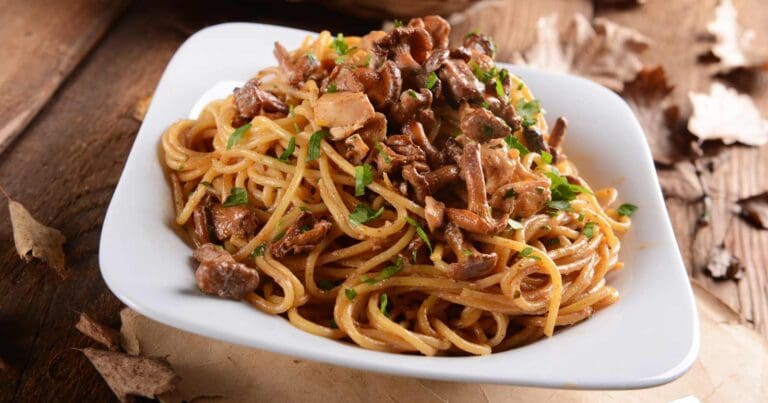
Dinner is the easiest place to provide a substantial combination of carbohydrate and protein. Dehydrated chilli, lentil dhal, shepherd’s bowl, chicken and rice, pasta with meat sauce, couscous with chickpeas and noodle dishes with textured vegetable protein can all provide a suitable base. The meal should contain enough total food to address the day’s energy demand, not simply a small protein portion surrounded by broth.
Protein can be increased without making the meal excessively heavy by adding dehydrated lean mince, lentils, powdered dairy, textured vegetable protein or a separate fish or chicken pouch. Parmesan, nuts and seeds can contribute additional protein and energy, although their fat content affects storage and digestion.
Recovery also depends on fluid, carbohydrate, sleep and sufficient energy overall. A protein-rich dinner cannot compensate for a day in which the hiker ate too little, became substantially dehydrated or exhausted their carbohydrate supply before reaching camp.
Common protein-planning mistakes
The most common mistake is assuming that a meal described as containing meat must be high in protein. A small scattering of mince through a large pasta serve may provide less than expected. Conversely, some hikers carry so much jerky, protein powder and dense bars that their diet becomes salty, repetitive and short of carbohydrate.
Another mistake is increasing protein without considering water. Dry meat, powder and dense bars can increase thirst, while dehydrated legumes and textured vegetable protein require water to become palatable. Protein choices must fit the same water and stove-fuel plan as the rest of the food.
Finally, do not introduce a major dietary change on the first day of a long trip. Large amounts of protein powder, soy, legumes or sugar-free protein bars can cause gastrointestinal discomfort in people who are not accustomed to them. Test the full day’s food at home or on a shorter overnight walk before depending on it.
A balanced approach to protein
Protein supports repair and recovery, but it works within the complete food plan. Carbohydrate remains central to sustained walking performance, fat helps provide compact energy, and total food intake determines whether the body has enough energy to use protein effectively.
A practical hiking diet includes moderate protein at several points during the day, then combines protein and carbohydrate in the evening meal. It does not need to resemble a bodybuilding diet, nor does every meal require exact calculation. The goal is to finish each day adequately fed, recover overnight and begin the next morning with more than determination carrying you forward.