Wilsons Promontory: Victoria’s Southern Wilderness
Perched on the southernmost tip of mainland Australia, Wilsons Promontory National Park, known locally as The Prom, stretches across 505 square kilometres of granite-studded mountains, white-sand beaches, dense rainforest, and open coastal heathland. It’s rare to find that much variety packed into a single Victorian park, and that variety is really why it draws hikers of every level, from a family group after an afternoon walk to someone planning a multi-day traverse of the southern coastline.
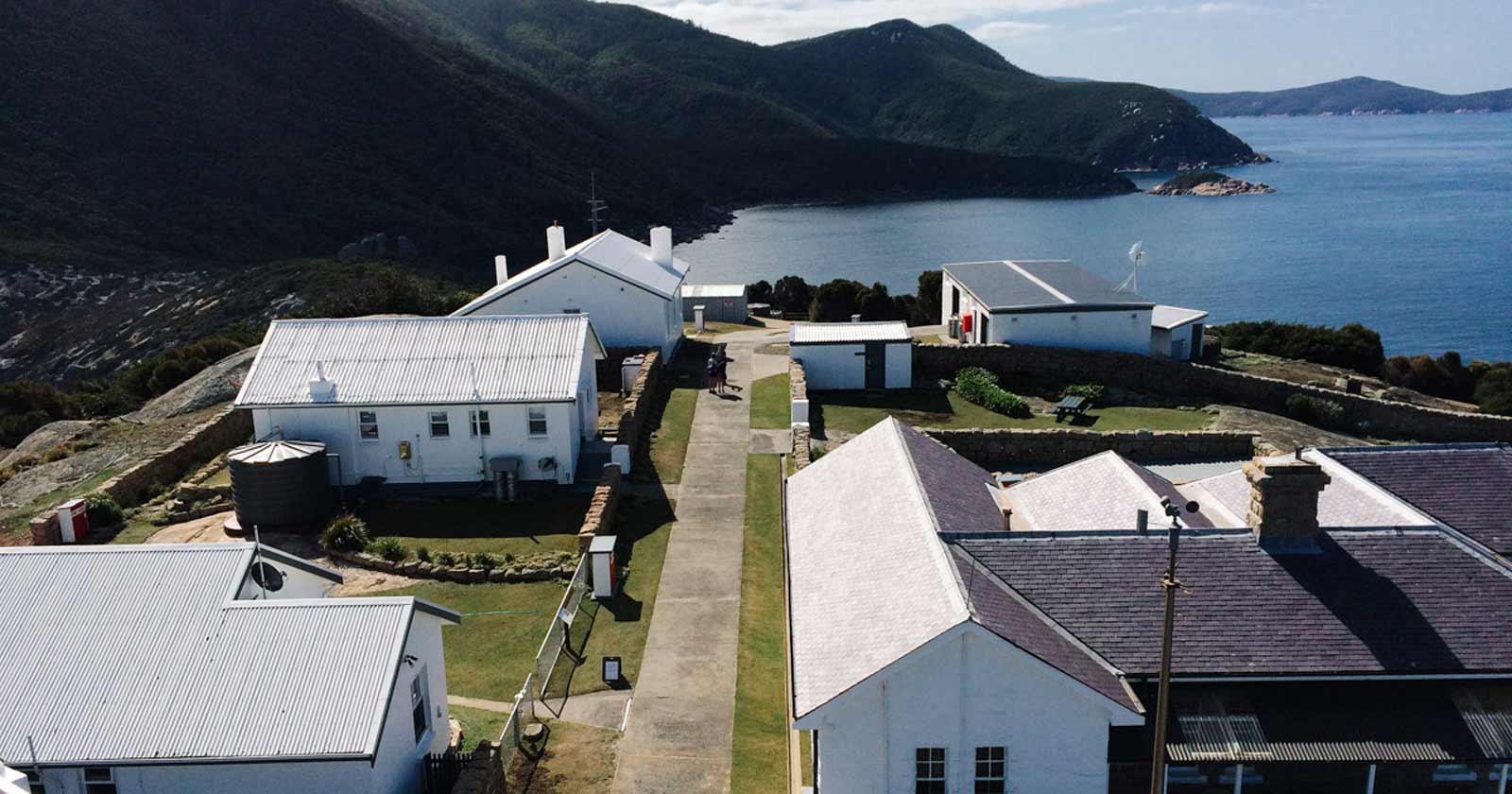
The rich history and cultural significance of Wilsons Promontory
Indigenous heritage: The land of Yiruk and Wamoon
Long before European settlers arrived, the land now known as Wilsons Promontory was home to the Koori people, who referred to it as Yiruk and Wamoon. This sacred land provided everything the Indigenous people needed, from rich hunting grounds to spiritual places of significance. The Prom has been a part of Indigenous life for over 6,500 years, and its natural features, such as the granite tors and lush valleys, hold deep cultural meaning. Even today, the Koori people maintain a spiritual connection to this land, with ongoing efforts to preserve its heritage and pass on the stories of the past.
As you hike through the park, it’s worth remembering that you’re walking through land with that much history behind it, where every rock and tree has a story attached to it that goes back well beyond European settlement.
European discovery and the birth of conservation
European explorers first laid eyes on Wilsons Promontory in the late 18th century, drawn by its dramatic coastline and untamed wilderness. Conservationists later fought to protect the area: it was temporarily reserved in 1898, then permanently declared a national park in 1905. Today, it’s one of Victoria’s most cherished natural spaces, attracting visitors from around the world who come to experience its pristine environment and diverse ecosystems.
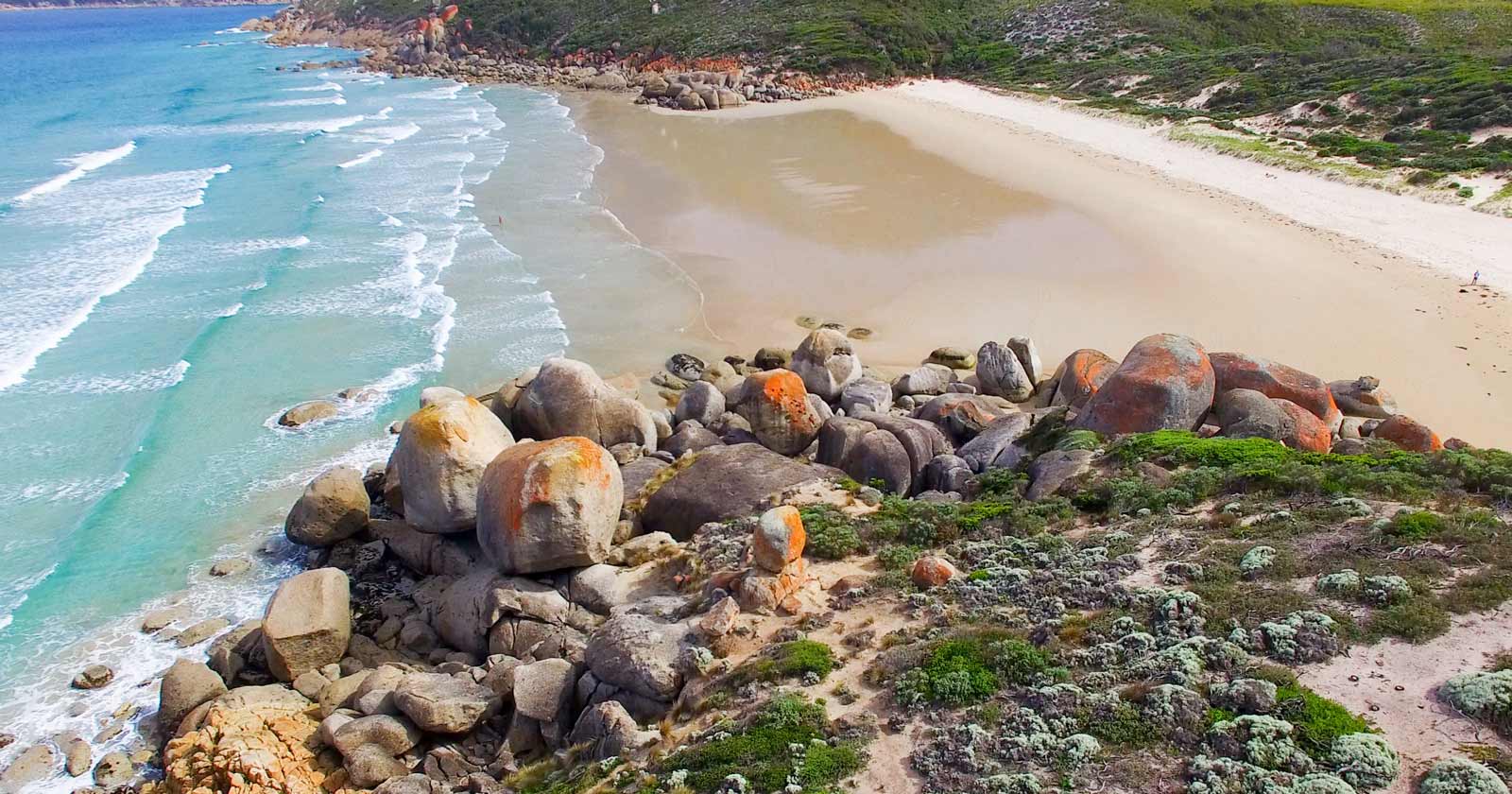
Best time to hike Wilsons Promontory
Summer (December to February) is peak season here, and it’s easy to see why. The days are long, the water at Norman Beach and Picnic Bay is good for swimming and snorkelling, and Squeaky Beach lives up to its name, with quartz sand that really does squeak underfoot. The trade-off is crowds, particularly at Tidal River Campground, so if you’re visiting in summer, book your accommodation well in advance and get to the trailheads early to secure parking.
I’d actually put autumn and spring ahead of summer for walking. Autumn (March to May) brings cooler temperatures, quieter trails, and the landscape turning to red and gold, which makes it a good time for climbing Mount Oberon for those sunset views or exploring some of the park’s lesser-known interior trails without the summer crowds. Spring (September to November) does something similar from the other direction: wildflowers come out in vibrant displays, wildlife becomes more active after winter, and you’ll often spot newborn joeys peeking from their mothers’ pouches and hear a fuller chorus of birdsong through the temperate rainforest sections. Conditions in both seasons are generally mild, which makes for more comfortable walking than the extremes of summer or winter, and both are good times for photography too.
Winter (June to August) is the quiet season, and it suits people who don’t mind cold nights in exchange for crisp, clear days and a rawer version of the park, with mist-shrouded forests and moody skies over the ocean rather than the blue-sky views you’d get in warmer months. It’s also a good time for wildlife spotting, since many animals are more active in the cooler months. If you’re heading out in winter, check the weather conditions carefully and come prepared with proper layers, because conditions here can shift from crisp and clear to genuinely raw fairly quickly.
Must-do activities for hikers and bushwalkers
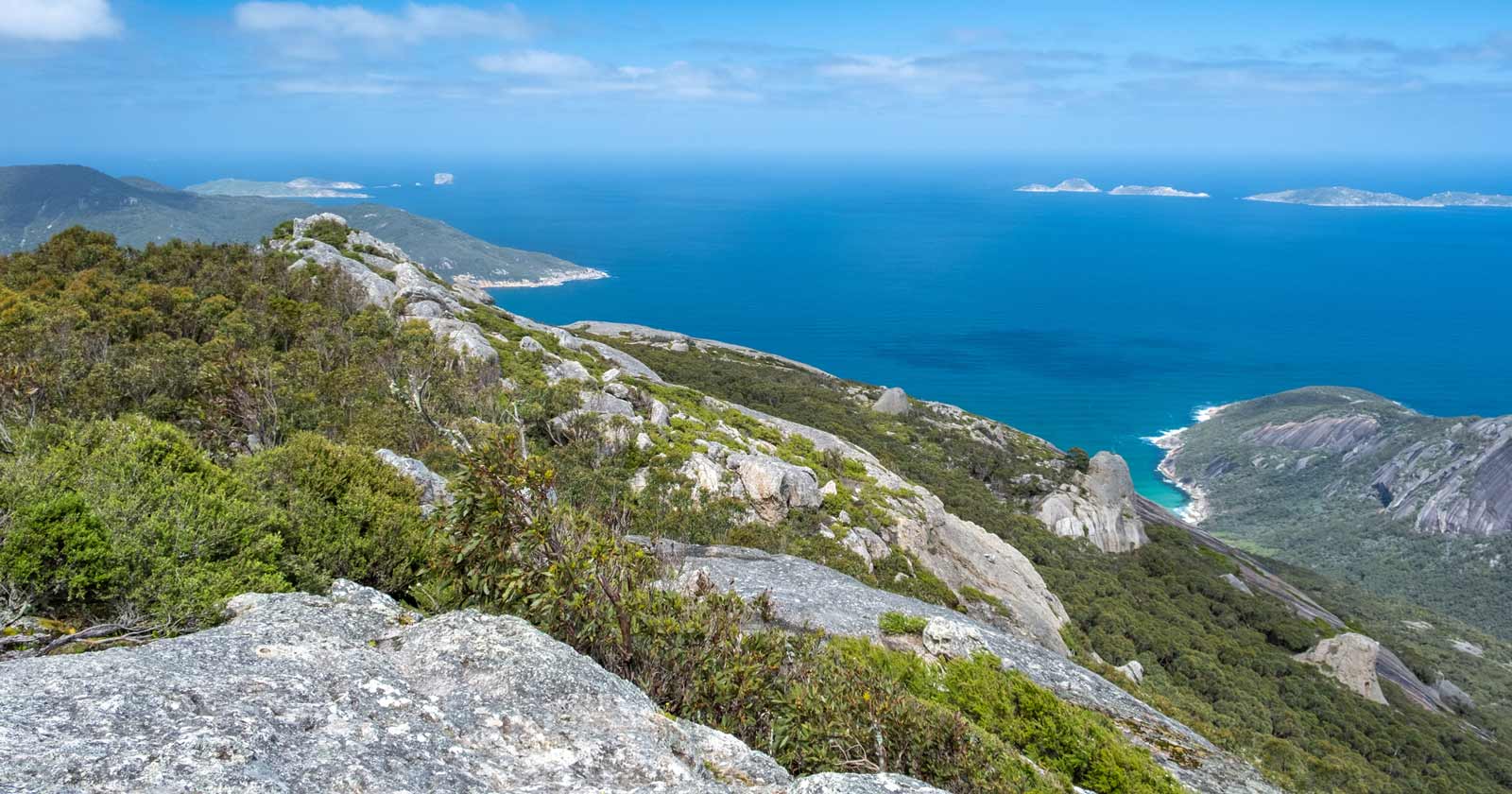
1. Mount Oberon Summit: The ultimate panorama
The hike to the summit of Mount Oberon is the one most visitors do first, and I think that reputation is earned rather than hype. It’s an accessible way to get one of the most iconic views in Australia in a couple of hours.
- Length: 6.8 km return
- Duration: 2 hours
- Grade: 3 (Moderate)
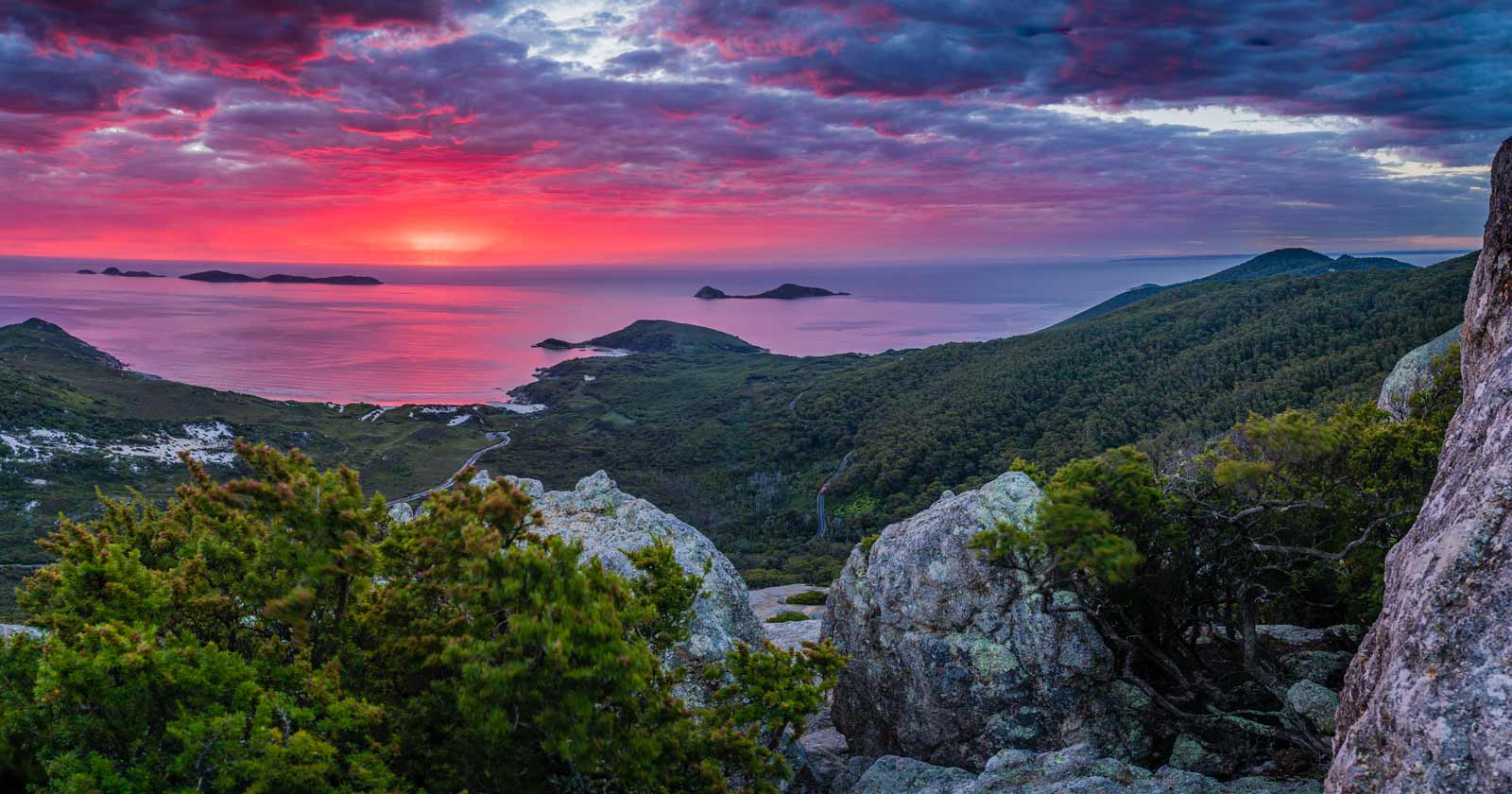
Highlights: The hike begins at Telegraph Saddle car park and follows a well-maintained vehicle track through thick eucalypt forest. As you ascend, the vegetation thins, giving way to granite outcrops. The final climb involves a series of steps leading to the rocky summit. From here, the views open out over Tidal River, Norman Beach, and the distant offshore islands. Sunset is worth timing for if you’re up to descending in fading light afterwards, since the colour that comes across the landscape at that hour is hard to match earlier in the day.

2. The Big Drift: Sand dunes of a different world
For an experience that feels more like a desert walk than a coastal hike, head to The Big Drift. This massive expanse of sand dunes is an unusual landscape to find tucked inside a coastal national park.
- Length: 4.5 km return
- Duration: 2 hours
- Grade: 3 (Moderate)
Highlights: Starting near the entrance of the park, The Big Drift trail takes you through coastal heath before suddenly opening up to a vast sea of sand. The dunes stretch as far as the eye can see, constantly shifting and changing with the wind, and it’s easy to feel like you’ve stepped into another world entirely, with nothing but sand and sky around you. The climb up the dunes can be hard going, especially on a hot day, but the views from the top make it worthwhile. This is a good spot for photography, particularly at sunrise or sunset when the light casts long shadows across the rippled sand.
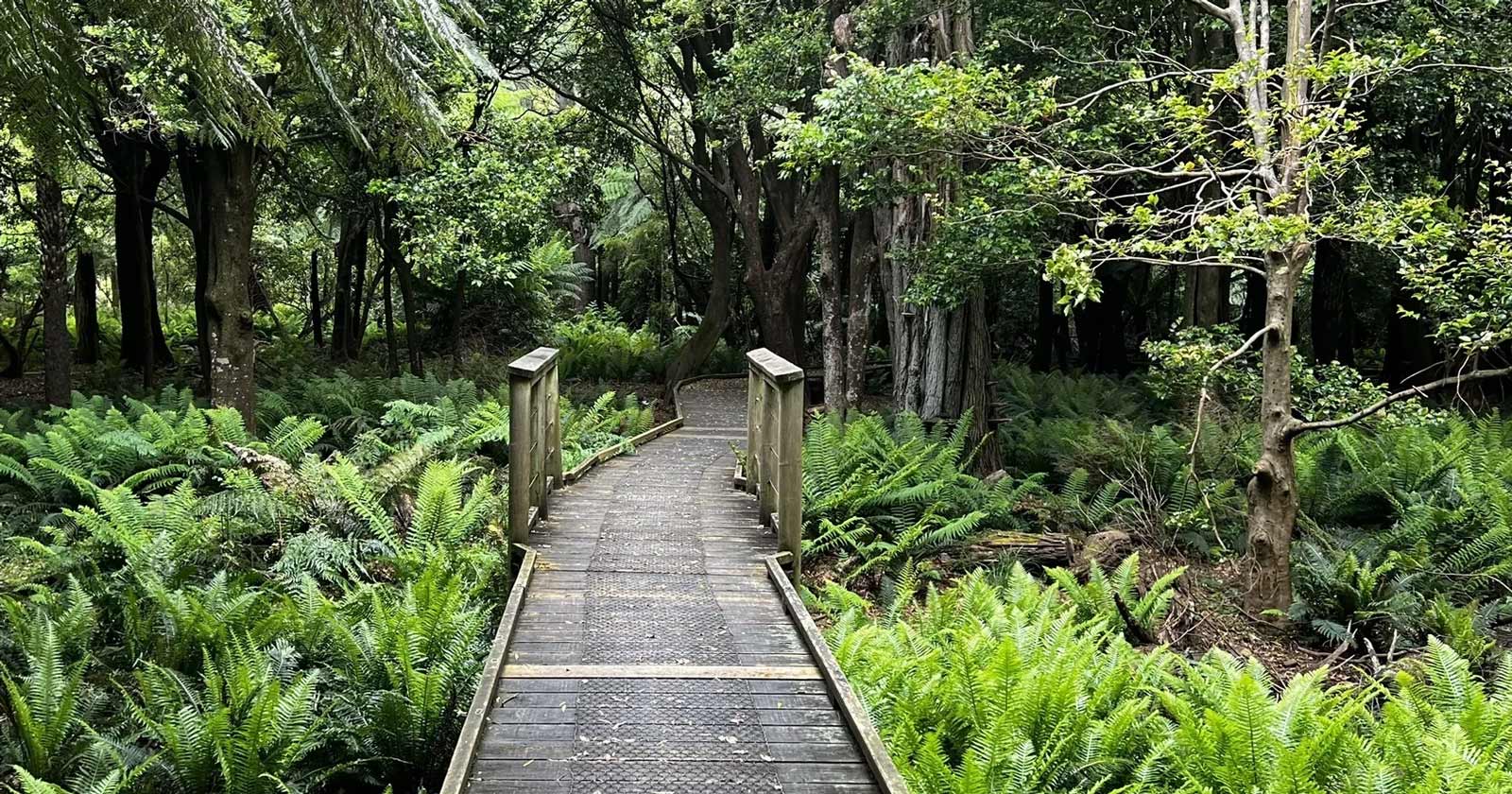
3. Lilly Pilly Gully Circuit: A journey through diversity
The Lilly Pilly Gully Circuit is a good way to see Wilsons Promontory’s ecological range in one relatively easy walk. It suits families, casual hikers, or anyone looking to experience the Prom without tackling a strenuous trail.
- Length: 6 km circuit
- Duration: 2 hours
- Grade: 3 (Moderate)
Highlights: The trail begins at the Lilly Pilly car park and leads you through a variety of landscapes, from dry sclerophyll forest to lush temperate rainforest. The boardwalk section through the gully is particularly good, with towering tree ferns, trickling streams, and a cool, shady atmosphere. Along the way, you might spot wallabies or echidnas foraging in the undergrowth. The circuit eventually climbs up to a ridge, offering glimpses of the surrounding mountains before descending back to the starting point.
4. Tongue Point: Coastal drama and secluded coves
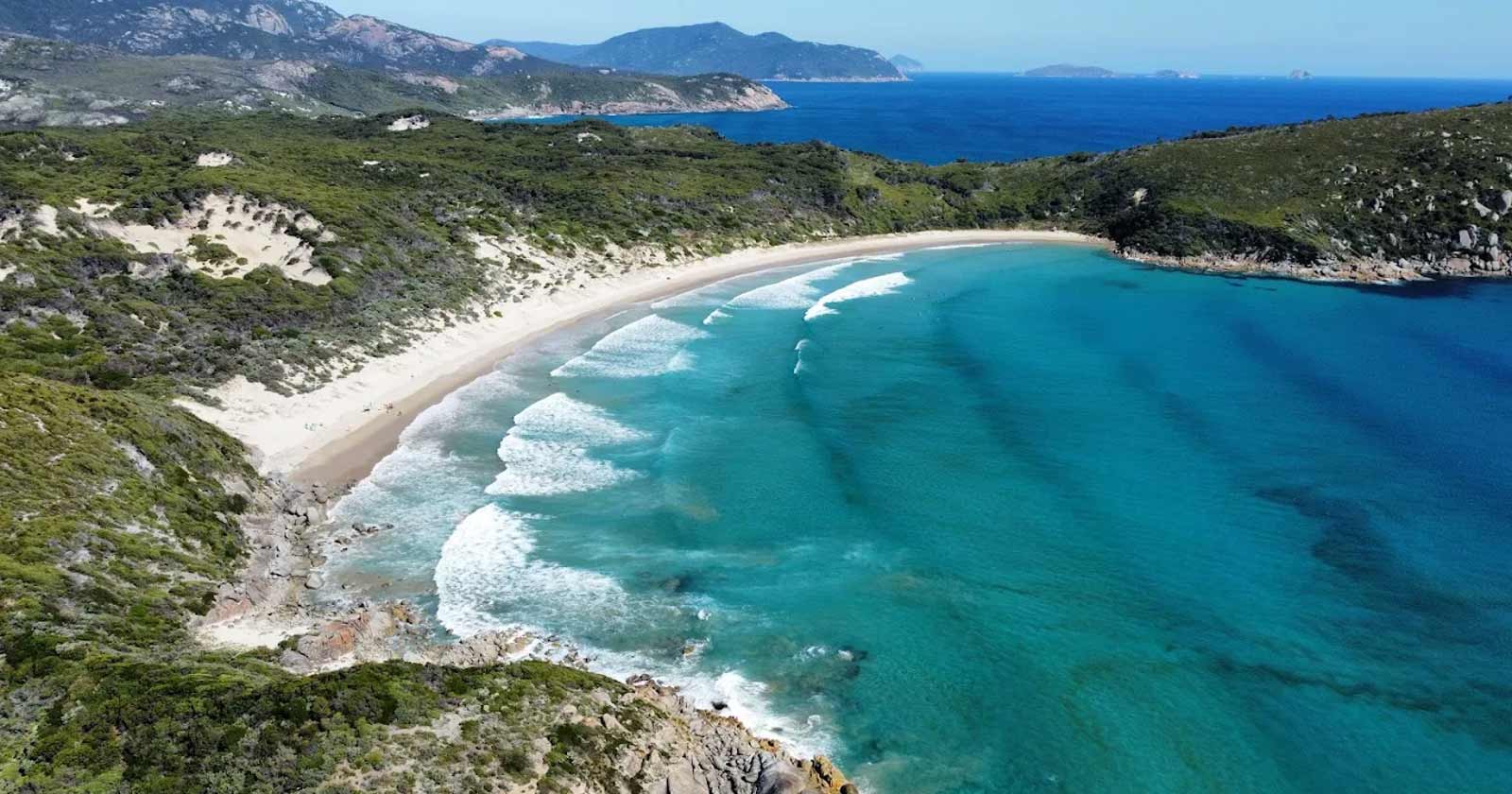
For those who love dramatic coastal scenery, the hike to Tongue Point is worth prioritising. This walk combines strong views with the chance to explore some of the Prom’s lesser-known beaches.
- Length: 8.4 km return
- Duration: 3 hours
- Grade: 4 (Hard)
Highlights: Starting from Darby River, the trail gently climbs through coastal vegetation, offering sweeping views over Darby Swamp and the Vereker Range. As you approach Tongue Point, the landscape becomes more rugged, with granite boulders and windswept headlands dominating the scene. A short side track leads down to Fairy Cove, a secluded beach perfect for a quiet rest or a quick dip. The track ends at Tongue Point, where you’ll find yourself surrounded by stacks of weathered granite, jutting out into the sea. It’s a wild spot, and a good place to sit and watch the waves working against the rocks.
5. South East Circuit Hike: Into the wild
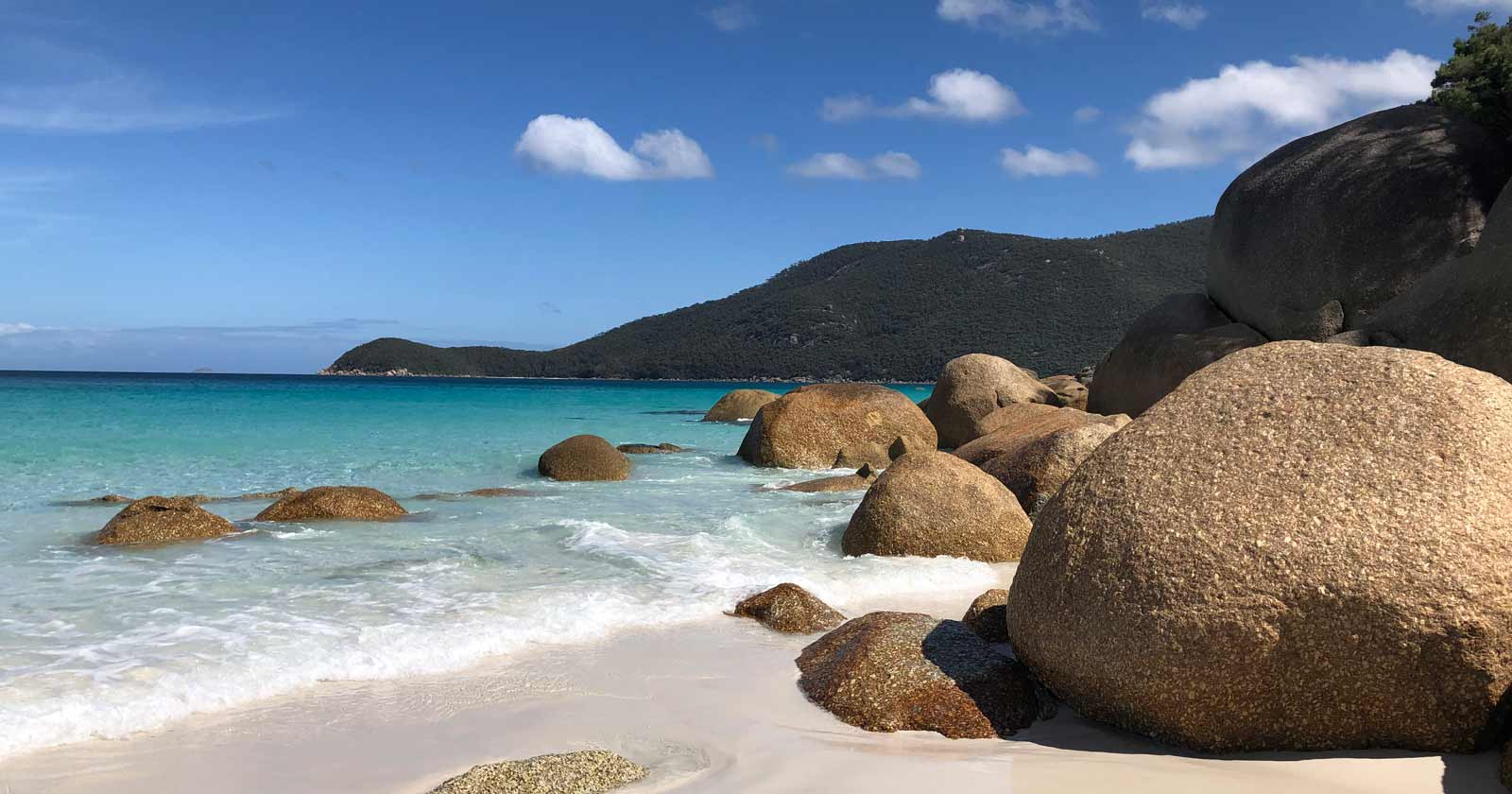
For experienced hikers seeking a multi-day adventure, the South East Circuit is the one that gets people planning trips around it months in advance, and once you look at what it covers, it’s not hard to see why.
- Length: 55 km circuit
- Duration: 3-4 days
- Grade: 4 (Hard)
Highlights: Victoria’s most renowned multi-day hike, the Wilsons Promontory South East Circuit, begins at Telegraph Saddle car park, winding from the slopes of Mount Oberon to the eastern shore of Wilsons Promontory National Park. This journey traverses the rugged terrain along the southern coast, reaching the southernmost lighthouse on mainland Australia before heading north through the park’s interior. The trail leads through verdant rainforest, across stunning beaches, expansive heathlands, and dense coastal tea-tree, with secluded campsites offering serene bays and crystal-clear waters for swimming. Highlights include the picturesque Sealers Cove, the cerulean waters of Refuge Cove, and the dramatic cliffs overlooking the Bass Strait. The route includes a visit to the historic 1859 lighthouse, provides a climb to the inland Roaring Meg campsite, and concludes with a scenic return via Oberon Bay and Little Oberon Bay, culminating in a rewarding finish at Tidal River.
Additional walks to explore
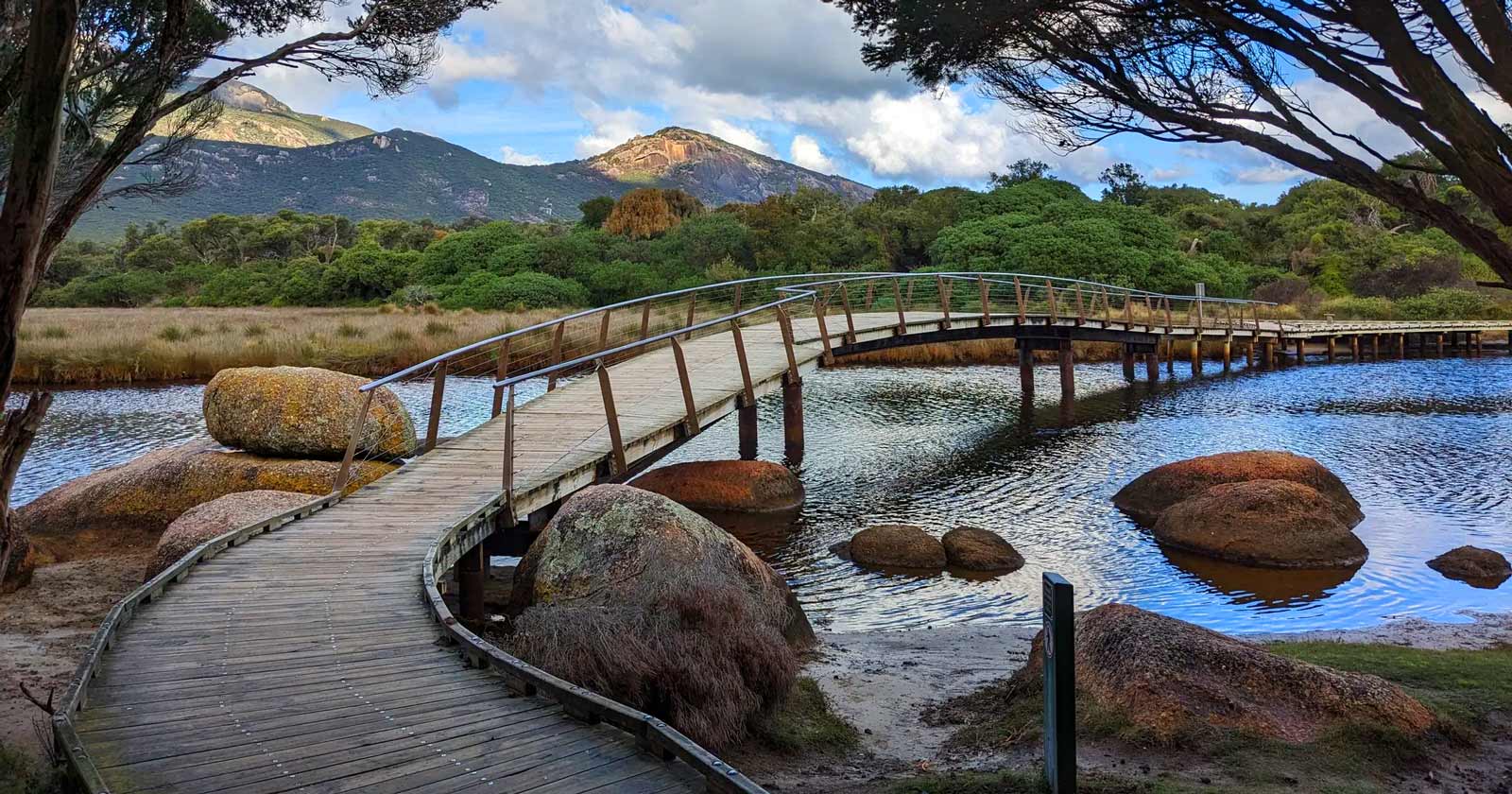
If you’re looking to extend your adventure, consider these additional walks:
Three Bays Walk (12.5km, 4-5 hours – Grade 3): This spectacular walk connects Squeaky Beach, Picnic Bay, and Whisky Bay, offering a mix of linking tracks and beach walks. Consider arranging a car shuttle for a one-way journey.
Little Oberon Bay (8.8km, 3 hours – Grade 3): This track starts near the Visitor Centre and offers views across Wilsons Promontory Marine National Park. Be cautious of unprotected cliffs along the way.
Mount Bishop Summit Track (7km, 2.5 hours – Grade 3): Follow the Lilly Pilly Circuit to a side-track leading to the rocky summit of Mt Bishop for stunning views of the Prom’s west coast and offshore islands.
For those seeking a more immersive experience, there are also a collection of overnight and multi-day hikes to explore, offering the chance to fully immerse yourself in the beauty of Wilsons Promontory.
Wildlife Spotting: The Prom’s wild inhabitants
Wilsons Promontory is a sanctuary for a wide variety of wildlife, and one of the joys of exploring the park is encountering these animals in their natural habitat. Here’s what to look out for:
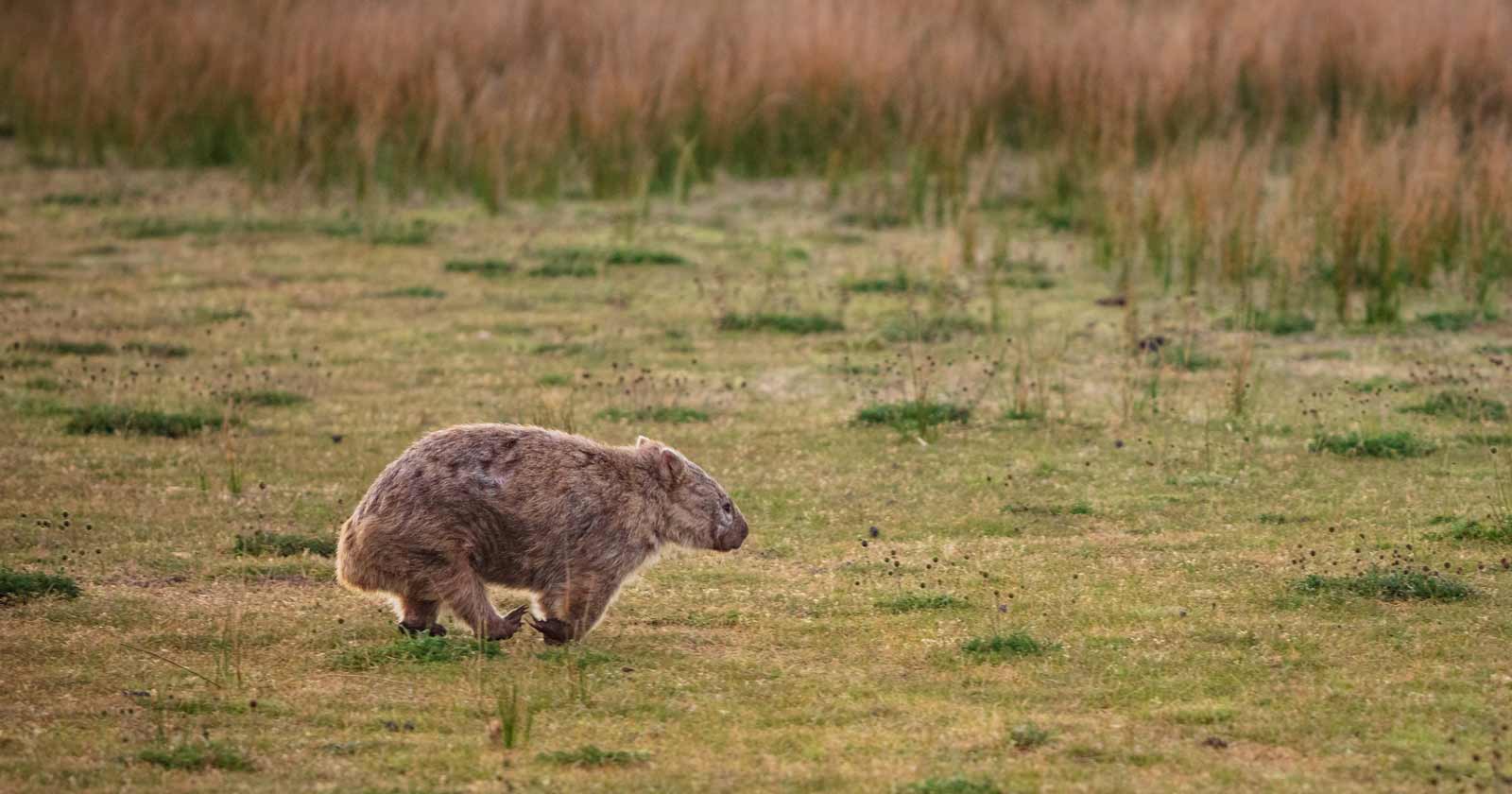
Wombats: The friendly foragers
Wombats are perhaps the most famous residents of Wilsons Prom, and they can often be seen ambling through the campgrounds or foraging in open areas. These sturdy, slow-moving marsupials are usually most active in the early morning and late afternoon. They might look friendly, but it’s worth remembering they’re wild animals: keep your distance and never feed them.
Kangaroos and wallabies: Iconic Australian wildlife
Eastern grey kangaroos and swamp wallabies are common throughout the park, especially in the open plains near the Airfield and along walking tracks. Kangaroos are more likely to be seen grazing in the early morning or late afternoon, while wallabies can often be spotted in the undergrowth during the day.
Birdlife: A symphony of sounds
The Prom is a birdwatcher’s paradise, with over 200 species recorded in the park. Keep an eye out for colourful rosellas, emus striding through the heathlands, and sea eagles soaring over the coast. The Tidal River area is particularly good for spotting birds, with the riverbanks and surrounding trees providing a habitat for many species.
Marine life: Seals, dolphins, and more
The waters around Wilsons Promontory are part of a protected marine national park, home to an abundance of marine life. Seal colonies can be found on the rocky outcrops near Skull Rock, and dolphins are often seen playing in the waves off the coast. If you’re lucky, you might even spot a whale during the migration season, which typically runs from May to October.
Camping and accommodation: Where to rest your head
Tidal River Campground: The heart of the Prom
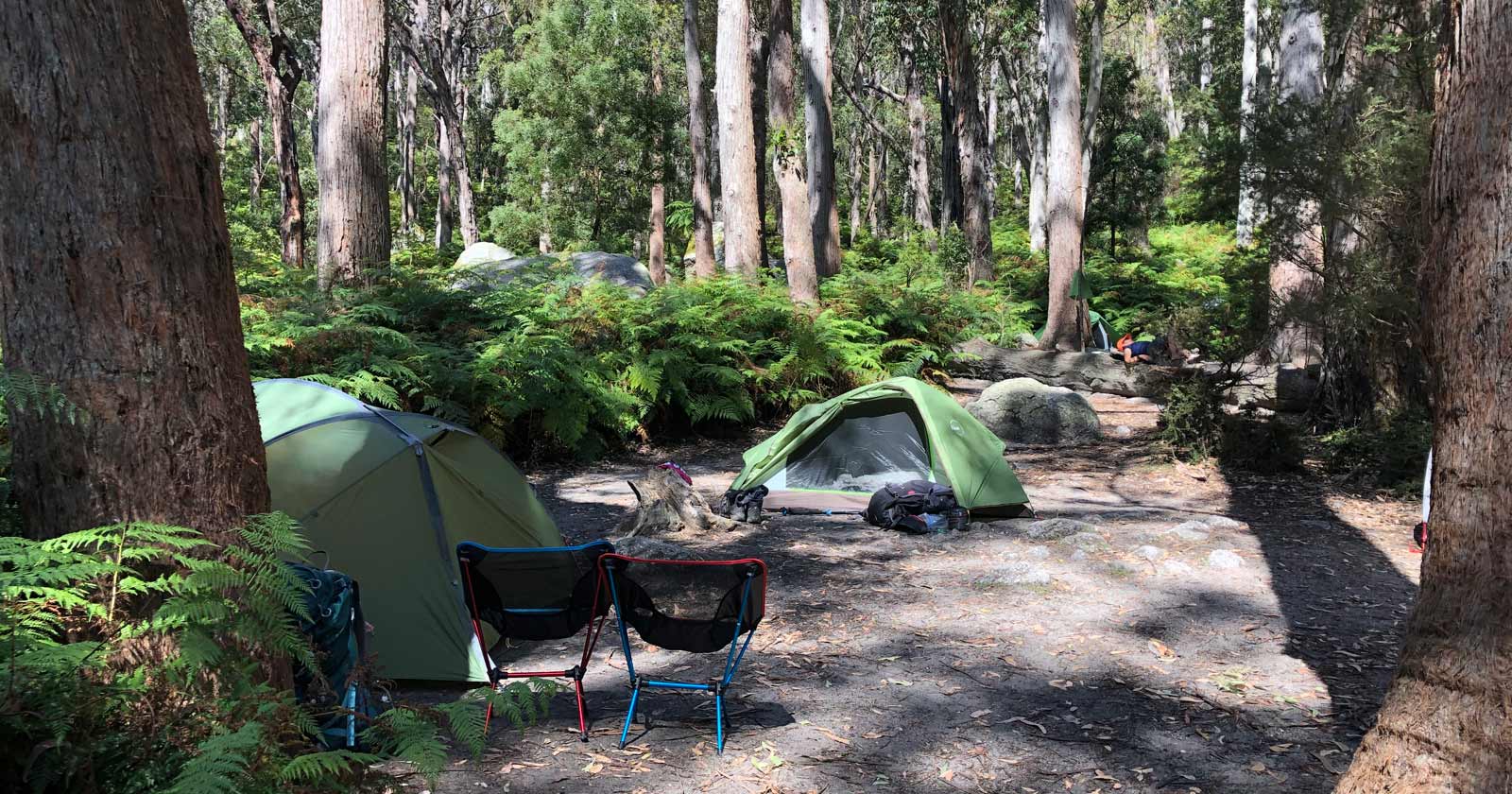
Tidal River is the main hub for accommodation within Wilsons Promontory National Park. With 484 campsites, it’s the largest and most popular place to stay. The campground is nestled between the river and the beach, providing easy access to many of the park’s trails and attractions.
- Facilities: Tidal River Campground offers a range of amenities, including hot showers, laundry facilities, BBQ areas, and a general store. The sites are a mix of powered and unpowered, with the option to choose your own site during most of the year. During peak times like summer and long weekends, campsites are allocated via a ballot system, so it’s essential to plan ahead.
- Activities: Staying at Tidal River means you’re never far from the action. Squeaky Beach is just a short walk away, perfect for a morning swim or evening stroll. The Tidal River itself is great for fishing, kayaking, or simply relaxing by the water. The campground is also home to a resident population of wombats, so don’t be surprised if you encounter one of these curious creatures during your stay.
Remote campsites: Wilderness under the stars
For those seeking a more secluded experience, Wilsons Promontory offers several remote campsites accessible only by foot. These sites provide a true wilderness experience, far from the crowds of Tidal River.
- Sealers Cove: This campsite is located on the eastern side of the Prom, near the popular Sealers Cove walk. It’s a peaceful spot surrounded by dense forest and close to the beach, making it an ideal base for exploring the area.
- Roaring Meg: Situated along the Southern Circuit Track, Roaring Meg is one of the more remote campsites in the park. It’s a great choice for those tackling a multi-day hike, offering basic facilities and a tranquil setting near a freshwater creek.
- Waterloo Bay: Located on the southern coast, this campsite is a little more exposed but offers stunning views over the bay. It’s a great option for those continuing from Sealers Cove or heading towards the Lighthouse.
Accommodation tips
- Booking: Whether you’re staying at Tidal River or a remote campsite, it’s essential to book in advance, especially during peak seasons. The Parks Victoria website is the best place to check availability and make reservations.
- What to Bring: For camping, bring a sturdy tent, warm sleeping bags (even in summer, the nights can be cool), and a reliable cooking setup. For those staying in cabins or lodges, basic bedding and cooking facilities are usually provided, but it’s still a good idea to bring your own food and supplies, as options in the park are limited.
Essential tips and safety information
Preparing for Your Hike
- Weather: The weather at Wilsons Promontory can change rapidly, especially at higher elevations and along the coast. Always check the forecast before you set out, and be prepared for rain, wind, and cooler temperatures, even in summer.
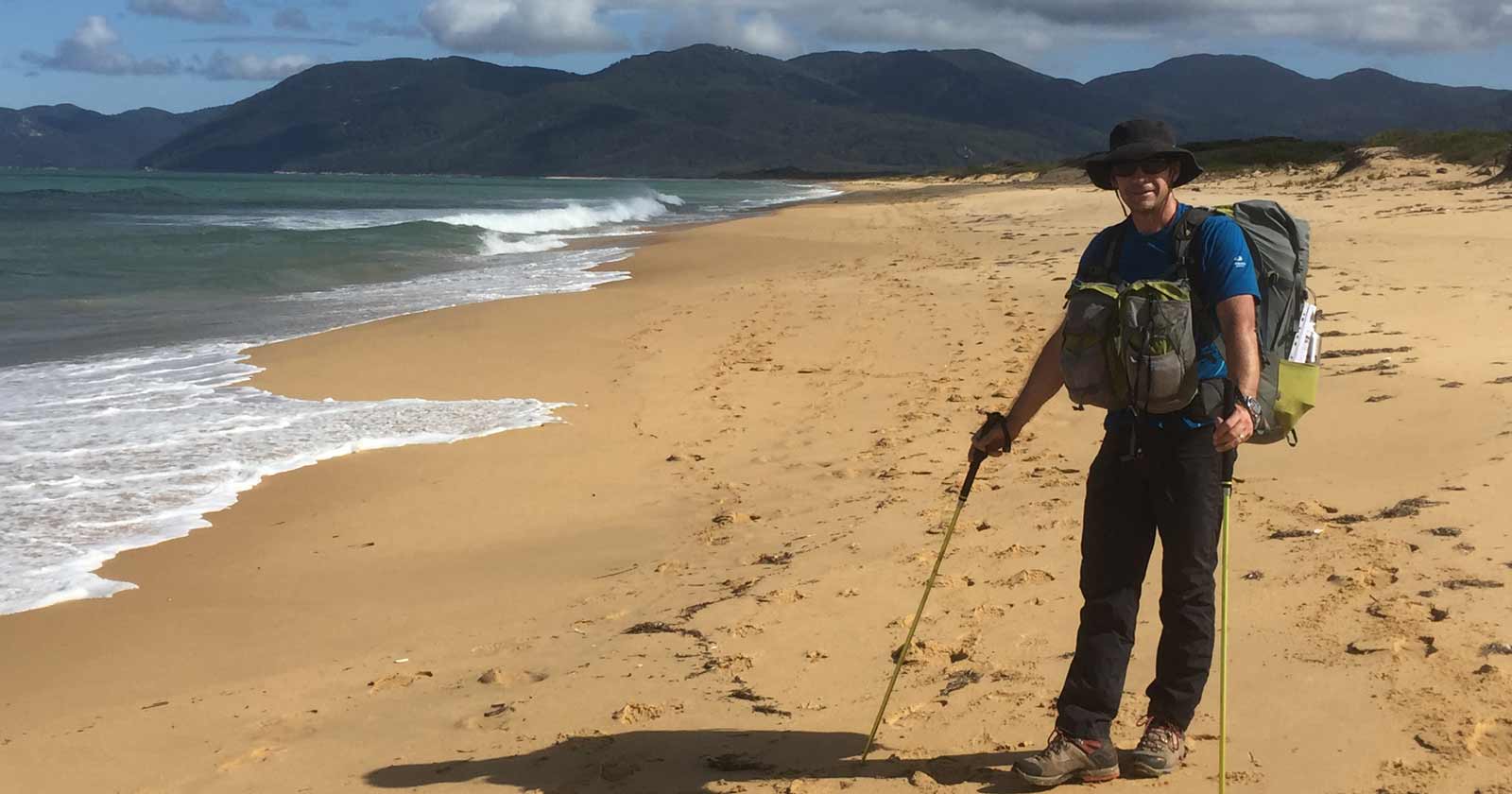
- Gear: Good hiking boots, a waterproof jacket, and a hat are essential. For longer hikes, pack plenty of water, snacks, a first aid kit, and a map or GPS. If you’re venturing into remote areas, consider carrying a PLB (Personal Locator Beacon) in case of emergencies.
- Permits: For overnight hikes, you’ll need to obtain a camping permit from the Visitors Centre at Tidal River. This is a requirement for all backcountry camping within the park and helps park management monitor the number of visitors in remote areas.
Safety Tips
- Wildlife: While encountering wildlife is a highlight of any visit to the Prom, it’s important to respect these animals. Keep a safe distance, never feed them, and store your food securely to avoid attracting unwanted visitors.
- Beach Safety: Many of the beaches at Wilsons Promontory have strong undertows and rips, making swimming hazardous. Always swim between the flags where patrolled and avoid the water during rough conditions. If you’re planning to snorkel, stick to the designated areas, and always be aware of your surroundings.
- Navigation: While most trails are well-marked, it’s still important to stay on the designated paths to protect the environment and ensure your safety. Carry a map and compass and let someone know your plans before heading out on longer hikes.
Accessibility
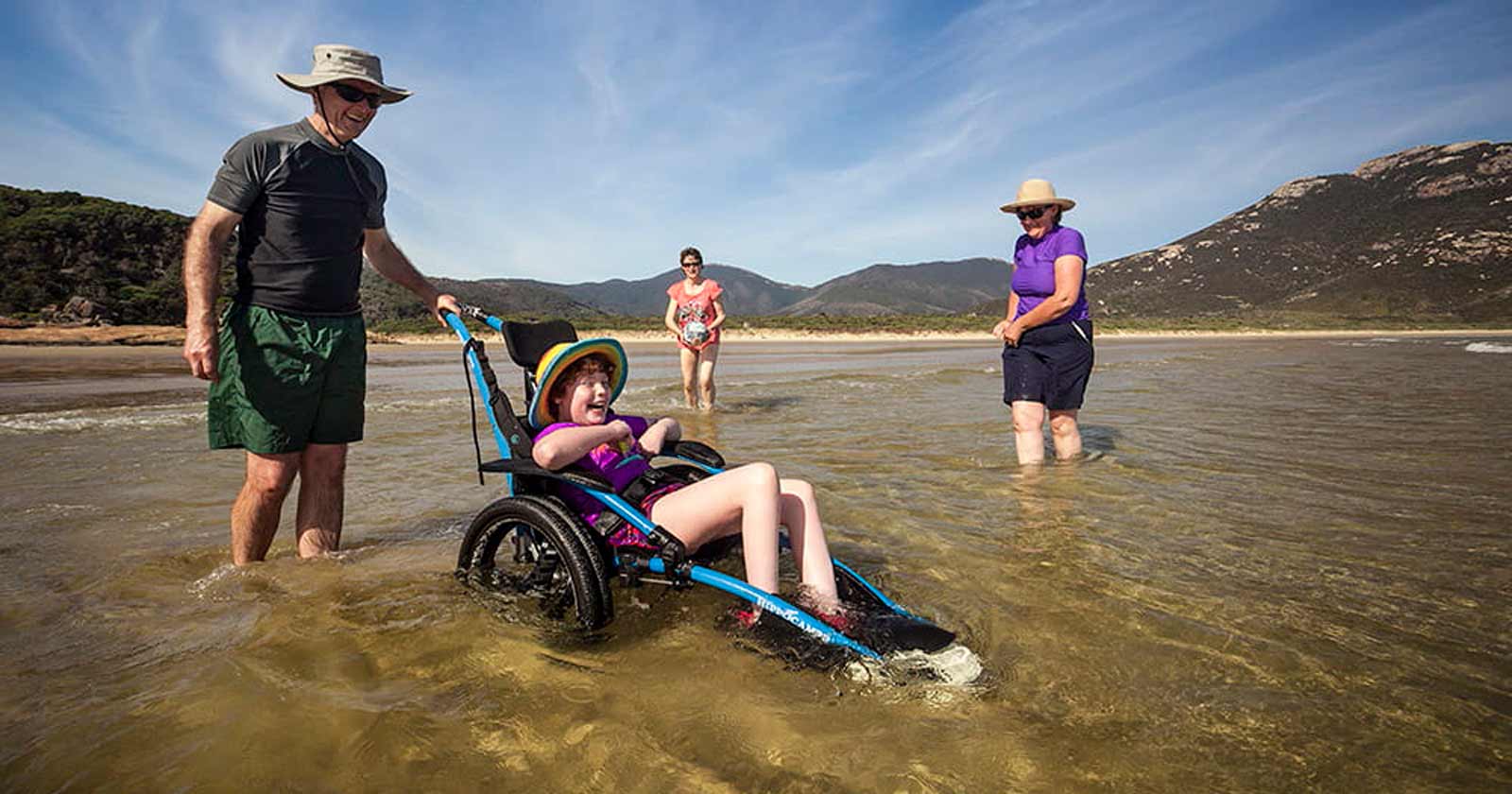
Wilsons Promontory is committed to being accessible to all visitors, with a range of facilities and equipment available for those with mobility limitations. The park offers all-terrain wheelchairs and motorised TrailRiders, which can be booked through the information centre. There are also accessible picnic areas and walking tracks, ensuring that everyone can enjoy the beauty of the Prom.
How to get there and getting around
By Car: Wilsons Promontory National Park is located approximately 225 kilometres by road southeast of Melbourne, making it an easy three-hour drive. The best route is to take the Monash Freeway (M1) from Melbourne, then follow the South Gippsland Highway (M420) towards Meeniyan. From there, the Meeniyan-Promontory Road (C444) leads directly to the park entrance.
Parking and Shuttle Services: During peak seasons, parking can be limited at popular spots like Tidal River and Telegraph Saddle. To alleviate congestion, the park operates a free shuttle bus between Tidal River and Telegraph Saddle during the summer months and Easter holidays. This service is particularly useful for hikers planning to tackle Mount Oberon or any of the South East Tracks.
Public Transport: There is no direct public transport to Wilsons Promontory, but you can take a V/Line bus from Melbourne to Fish Creek or Foster, and then arrange for a taxi or shuttle to the park. However, having your own vehicle is highly recommended for convenience and flexibility.
Wilsons Prom: A Park Worth the Effort
Wilsons Promontory National Park earns its reputation through variety rather than hype: granite peaks, ocean beaches, rainforest gullies, and a coastline you can walk for days without repeating yourself. Whether you’re summiting Mount Oberon on a half-day trip from Melbourne, or committing to three or four days on the South East Circuit through Sealers Cove and Refuge Cove, the effort you put in is generally matched by what you get back.
If you’re planning a visit, the trail list above should give you enough to build a day, a weekend, or a full multi-day trip around, and the practical information further up covers what you’ll need to know before you go.
Discover More Trails
For more hiking adventures and to explore a variety of trails at the Prom, check out our comprehensive map listing page here. You’ll also find a range of hikes across Australia, each offering its own unique experience and beauty.




Nicole 🥾
Can’t wait to get back down there next month. Little Waterloo Bay is my fave! 🩵
Sarah Mc it is beautiful out there.
What’s your favourite hike at the Prom?
Trail Hiking Australia Northern section…mwah haha….
Tongue point and fairy cove is a beautiful spot to swim. So many great hikes there.
Sssssssshhhhhh! 😂