Volcanic Peaks and Dark Skies in Warrumbungle National Park
Overview
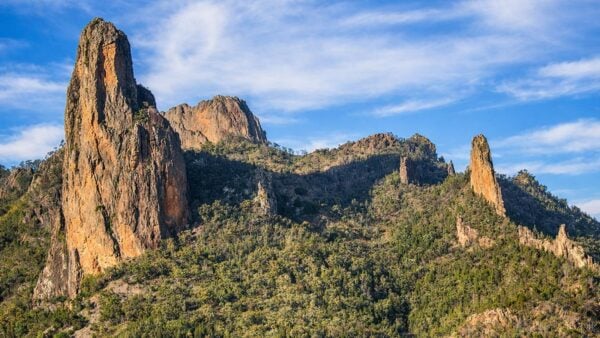
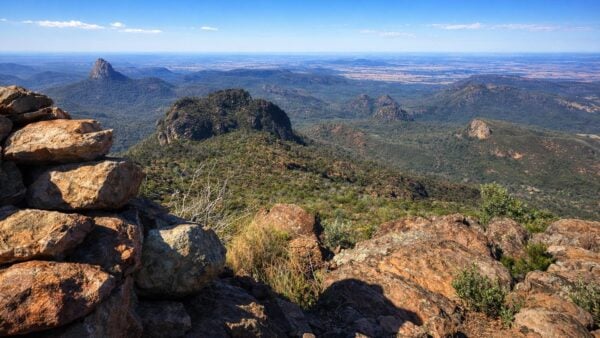
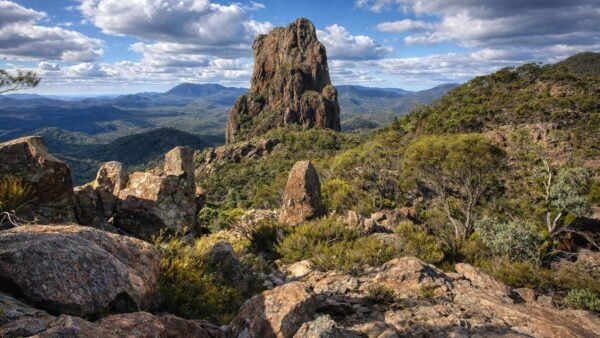
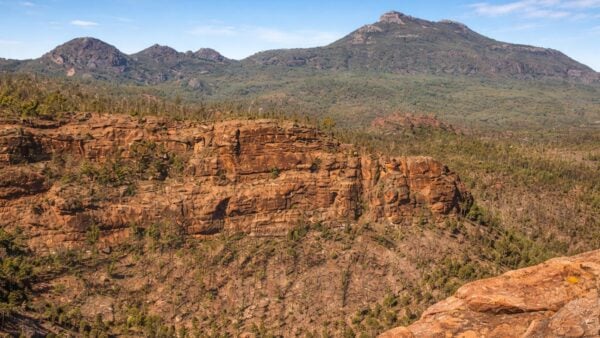
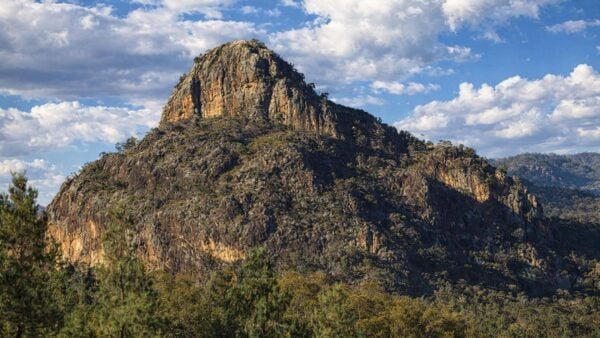
Warrumbungle National Park sits on the north-west slopes of New South Wales, about 33 kilometres west of Coonabarabran. It protects 23,312 hectares of rugged mountain country shaped by an ancient shield volcano, with the worn remains of lava domes, vents, dykes and bluffs giving the park its striking profile. The park was added to the National Heritage List in 2006 for its geological and biological values, and it is also known as Australia’s first Dark Sky Park, so the landscape keeps its character long after sunset.
Highlights
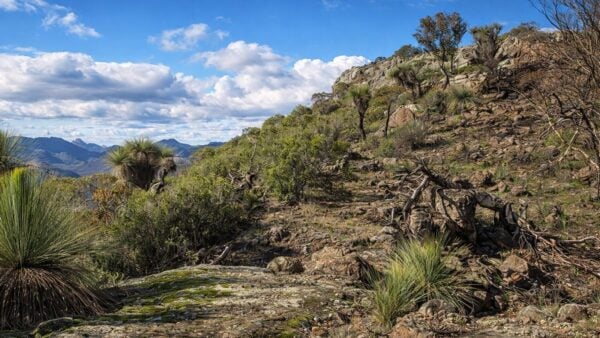
The scenery here has a very different feel from the coastal and alpine parks that most people picture in New South Wales. Warrumbungle is all sharp silhouettes, broken ridgelines and volcanic rock rising abruptly from the surrounding plains. Well-known landmarks include the Breadknife, Belougery Spire, Belougery Split Rock, Crater Bluff, Bluff Mountain and Mount Exmouth, all formed as the old volcano eroded away over millions of years.
Part of what makes the place memorable is the contrast. The mountains feel isolated and dramatic, but they also sit at a meeting point between wetter eastern country and the drier inland plains. That gives the park a broad, open sense of space by day, then exceptionally clear night skies once the light fades.
Best Time to Visit
Spring is the busiest season, along with the Easter holiday period, and it is easy to see why. The milder weather generally suits long days outdoors, and the clearer conditions that make the park so good for big views also carry over into its night skies. Outside those peak periods, the park’s appeal is less about a single short season and more about the way the volcanic landscape changes in colour and light across the year.
Plants and Animals
Warrumbungle National Park has unusually rich biodiversity for inland New South Wales. More than 520 native plant species and 311 native animal species have been recorded here, helped by the park’s varied landforms, wide temperature ranges and rainfall patterns. This is one of the reasons the area stands out as a transition zone, with species from the arid plains to the west mixing with those more typical of forested ranges to the east.
The park is an important refuge for the endangered brush-tailed rock-wallaby, and it also supports a viable breeding population of koalas. Birdlife is especially strong, with 185 species recorded, including emus, wedge-tailed eagles, peregrine falcons and turquoise parrots. The result is a park that feels alive in very different ways depending on where you are, from rocky slopes and open woodland to the more sheltered gullies and valley floors.
Culture and Heritage
Warrumbungle National Park is in the traditional country of the Gamilaraay and Weilwan Aboriginal people. The park contains Aboriginal sites including rock shelters and other places of cultural significance, and archaeological research in the Warrumbungle area has shown Aboriginal presence dating back at least 20,000 years. The mountains remain an important part of local cultural identity.
There is also a layer of more recent history in the park. Heritage places include the Tara Woolshed, Strathmore Homestead and some walking tracks that date from the 1950s, reflecting the shift from pastoral use to the protected landscape seen today.