Escarpments, Gorges and Rainforest Pockets of Morton National Park
Overview
Morton National Park stretches along the rugged eastern escarpment of the Southern Tablelands, between Bundanoon and the country southeast of Braidwood. It is a very large park, with landscapes that change from plateau edges and sandstone scarps to deep gorges, high ranges and river country. The northern part is within day-trip range of Sydney, while the park as a whole feels much broader and wilder than that proximity suggests.
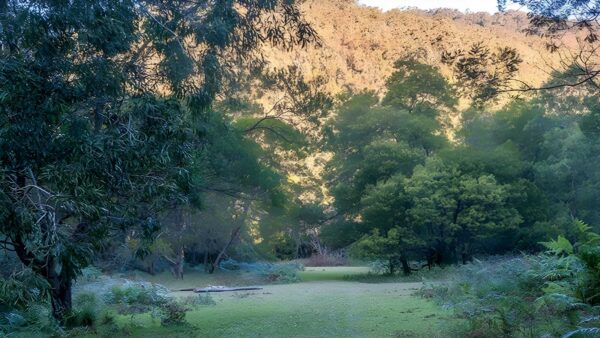
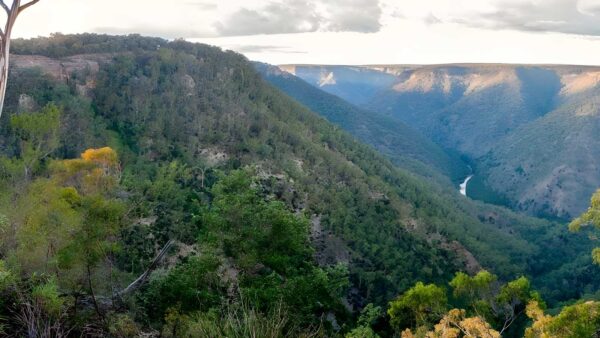
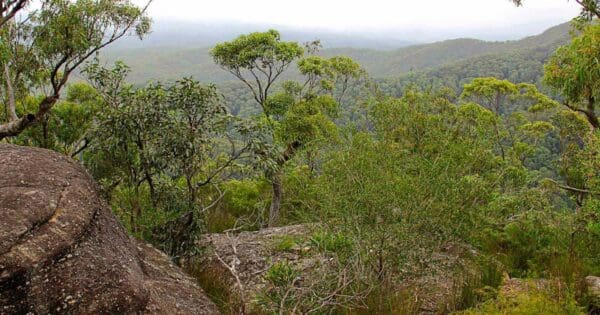
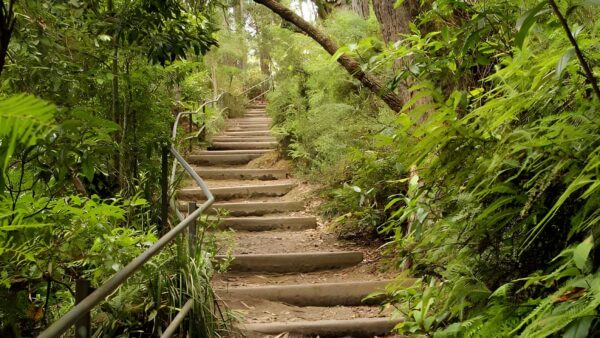
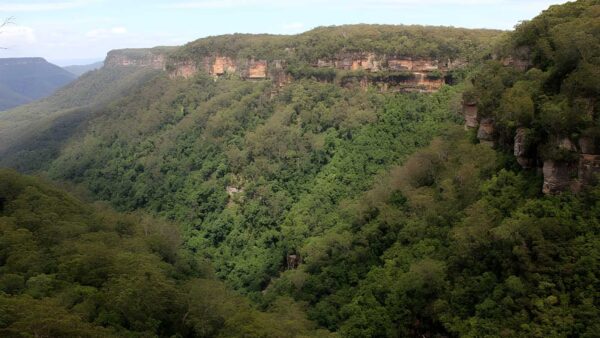
What gives Morton its character is the scale and variety of its terrain. Across the park you move through a mix of plateaus, mesas, cliff lines and dissected valleys, with rainforest tucked into sheltered slopes and watercourses. That combination of altitude, geology and exposure creates a place that feels markedly different from one precinct to the next.
Highlights
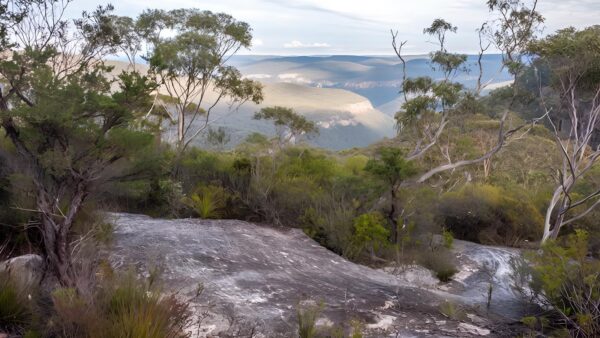
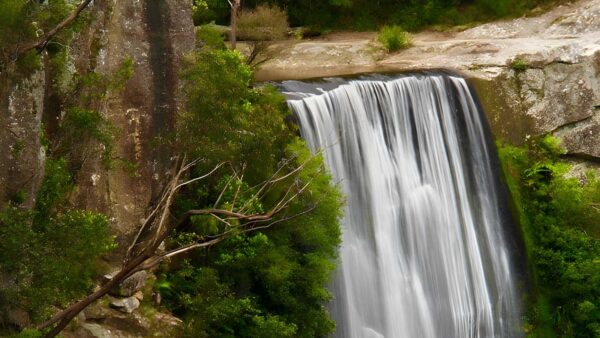
Morton is best known for big escarpment scenery. Around Fitzroy Falls, the plateau breaks sharply into a gorge system that shows off the park’s cliff country at its most dramatic. Elsewhere, the landscape opens into deep valleys, long ridgelines and rock formations that give the park its strong sense of relief and distance.
The Budawang country within the park stands out for its mesa-like peaks, terraced slopes and sculptured rock faces. Taken together, the park’s landforms include the southern edge of the Sydney Basin, the Hawkesbury Sandstone and Permian plateau scarp, and areas of upper Devonian limestone, which helps explain why the scenery shifts so noticeably across the region.
Best Time to Visit
Cooler months are often the most comfortable time to spend longer out in Morton National Park, especially in exposed escarpment country and on the higher tableland sections. Spring also suits the park well, with heath and woodland areas often at their liveliest and the contrast between open plateaus, ferny gullies and rainforest edges especially clear after winter.
Because Morton covers a large area with a wide range of elevations and landforms, conditions can feel quite different from one part of the park to another. The higher northern country around places like Fitzroy Falls is generally cooler, while lower gullies and sheltered valleys can feel milder and more humid.
Plants and Animals
Morton National Park supports a very wide range of vegetation types, shaped by its varied geology, altitude and climate. Forest and woodland are widespread, with extensive heath and sedgeland as well as several kinds of rainforest. Warm temperate rainforest grows in parts of the northern escarpment and the Tianjara area, subtropical rainforest appears along sheltered watercourses and lower slopes, and cool temperate rainforest survives in small high-elevation patches.
That habitat variety carries through to the wildlife. Rainforest and tall moist eucalypt forest support animals such as long-nosed potoroo and superb lyrebird, while the park also provides habitat for species including koala, tiger quoll, yellow-bellied glider, powerful owl and brush-tailed rock-wallaby. Rivers and waterways add another layer again, with platypus, waterbirds and reptiles using the creeks and river systems.
Culture and Heritage
Morton National Park holds a rich Aboriginal cultural record, with several hundred sites recorded and likely many more across the park. Open campsites are the most common, and there are also rock shelters, axe grinding grooves, stone arrangements, quarry sites and rock art including paintings, drawings and some stencils. Research in the park points to long use of the escarpment as both a resource area and a route linking coastal and inland communities for movement, trade and ceremony.
Some landforms in Morton carry direct cultural significance. Pigeon House Mountain, Fitzroy Falls and other prominent features are identified as places of spiritual significance and traditional ceremony, and a number of Aboriginal place names remain attached to country within the park, including Didthul for Pigeon House Mountain and Yaranga for Fitzroy Falls.