Where Ocean Cliffs, Surf Beaches and Bushland Meet on the Mornington Peninsula
Overview
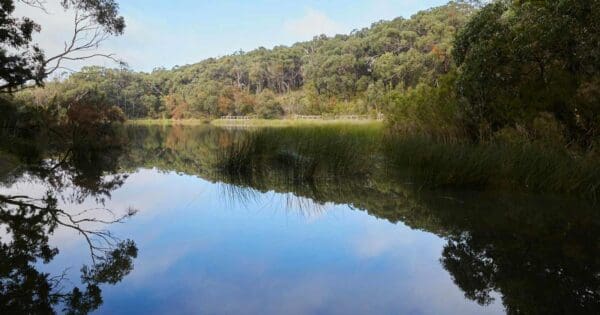
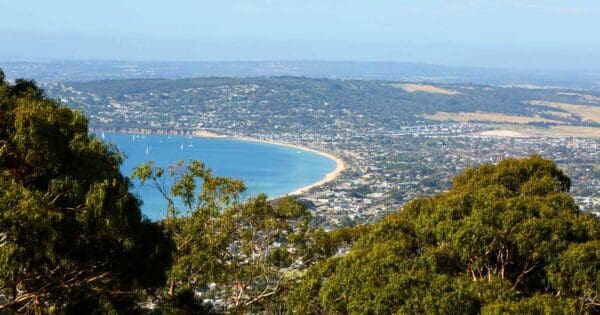
Mornington Peninsula National Park runs along the southern edge of the peninsula about 70 kilometres south of Melbourne, stretching from Point Nepean to Bushrangers Bay and inland to the larger Greens Bush section. What makes it stand out is the way a long, narrow band of protected country holds together very different landscapes, from exposed Bass Strait coast to inland bushland, all within one park.
This is one of Victoria’s most visited national parks, and it feels shaped by that meeting of big scenery and easy access from the city. Even so, the place is not defined just by beaches. The park also protects important remnant vegetation communities and a substantial block of bush at Greens Bush, which gives the peninsula some of its most intact natural habitat.
Highlights
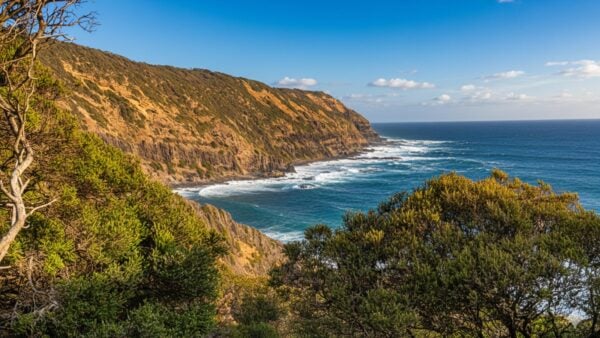
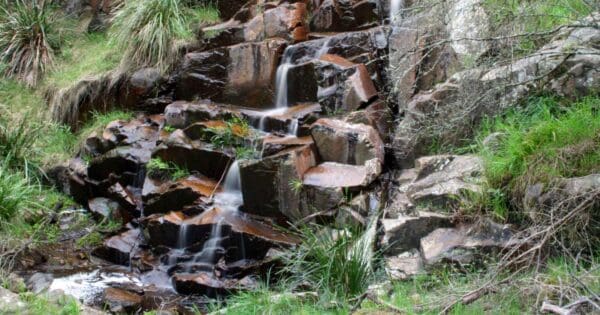
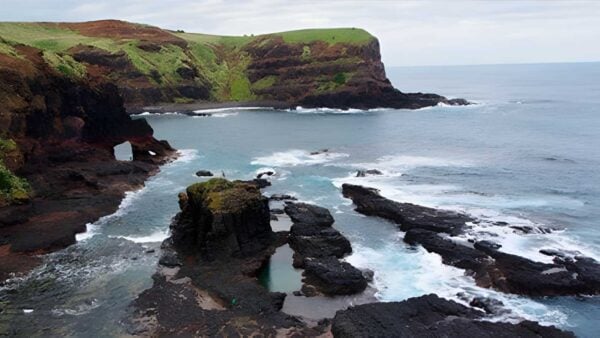
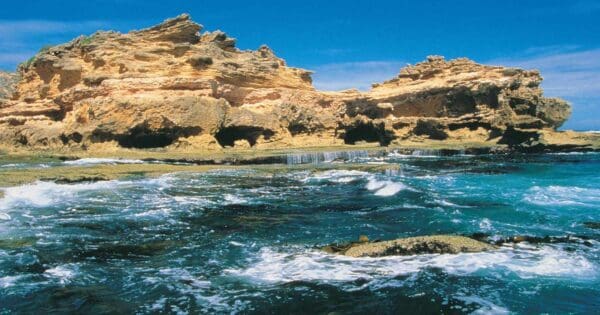
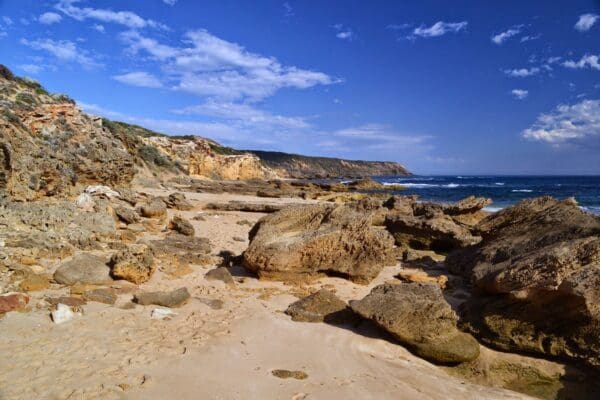
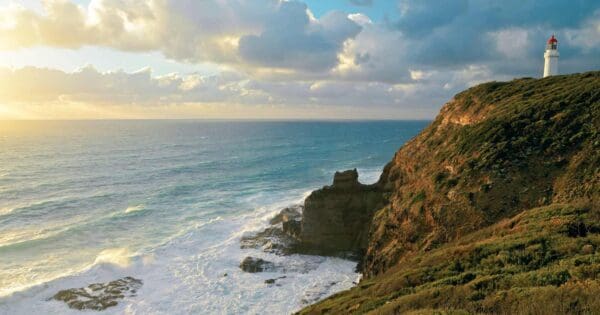
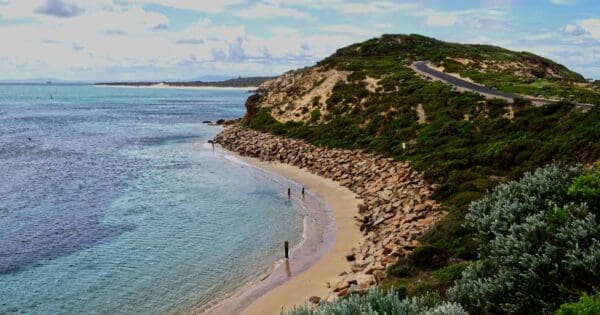
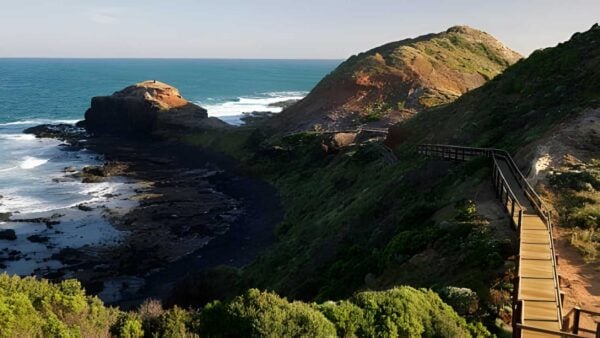
The southern coastline is the park’s defining feature: sandy ocean beaches broken by calcarenite cliffs, prominent headlands and rugged sections of coast facing Bass Strait. Around Cape Schanck, the scenery becomes more dramatic again, with volcanic landforms adding another layer to the coastal character.
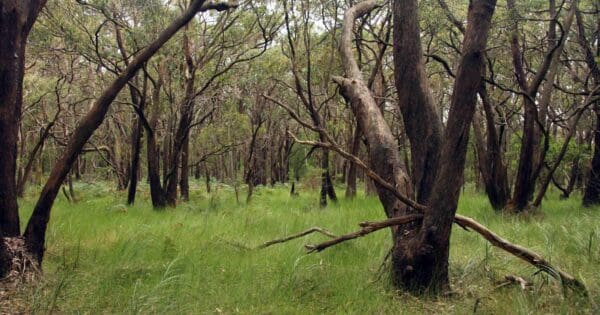
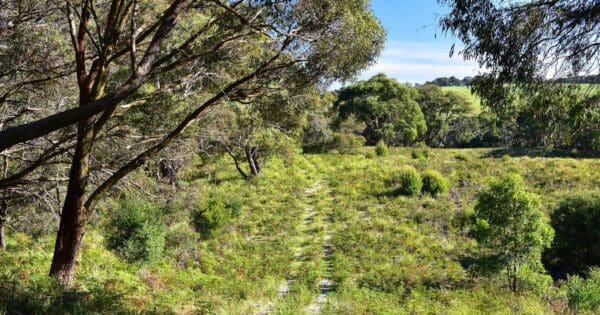
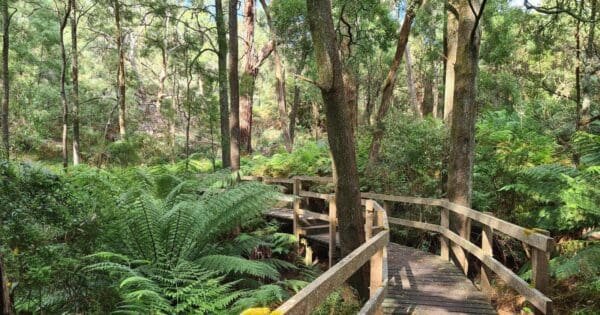
Elsewhere, the appeal comes from contrast. Greens Bush and the Main Creek valley bring a quieter, more enclosed landscape into a park better known for surf beaches and open coast, while South Channel Fort adds an unusual island outlier in Port Phillip Bay.
Best Time to Visit
Mornington Peninsula National Park works well across the year rather than having one short peak season. Warmer months suit people who want to spend time around the beaches and headlands, while the cooler months are often better for appreciating the bushland sections and the more exposed parts of the coast without the intensity of summer heat.
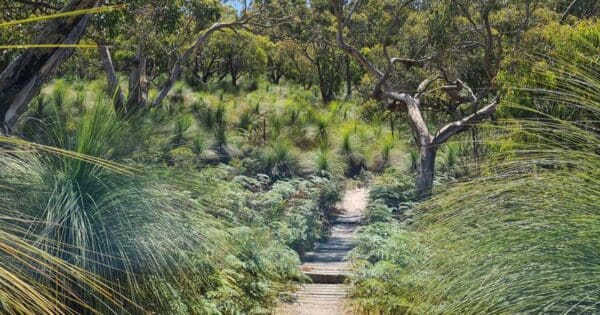
Spring is a particularly rewarding time if you are interested in native vegetation, with heathland and coastal plant communities tending to show more colour and variety. The park’s mix of coast and bush means conditions can feel quite different from one section to another, so the best time really depends on whether you are drawn more to the surf coast or the inland bush blocks.
Plants and Animals
The park protects a varied patchwork of native vegetation, including coastal dune scrub, coastal grassy forest, coast banksia woodland, sand heathland, coastal heathland, foothill forest, heathy woodland, riparian forest and swamp heathland. Several of these communities, especially coastal grassy forest, coast banksia woodland and sand heathland, have been heavily reduced elsewhere on the peninsula, which makes their survival here especially important.
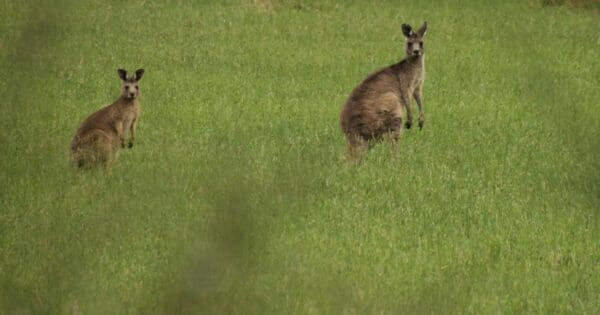
Animal life is equally varied, with the park supporting a large number of bird species as well as native mammals, reptiles and amphibians. Regionally important species recorded here include the White-footed Dunnart, Long-nosed Bandicoot and Black Wallaby, and the park also provides habitat for species such as the Hooded Plover, Swamp Skink and Koala.
Culture and Heritage
Mornington Peninsula National Park forms part of an Aboriginal cultural landscape in the traditional Country of the Bunurong People, with a deep and continuing connection to these lands and waters. The park also contains a high density of Aboriginal archaeological sites along parts of the coast, reflecting how long people have lived with and cared for this country.
Cultural heritage here sits alongside later historic layers, but the older Aboriginal presence is fundamental to understanding the place itself. It is a landscape where coastline, water, food sources and shelter have been connected for thousands of years.