Why I reach for zinc oxide on the trail
Sun exposure is part of hiking, and altitude makes it worse. UV exposure increases with elevation, and by some estimates it’s around 10 to 12% for every 1,000 metres you climb. On top of that, UV reflects off surfaces you’ll cross on plenty of Australian trails: snow, water, and sand all bounce a meaningful amount of it back up at you. The World Health Organization notes that fresh snow can reflect as much as 80% of UV radiation, which is one of the reasons people get burnt on cold, overcast days in the mountains and don’t understand why. Between the altitude effect and the reflection, wearing sunscreen on the trail matters more than it looks like it should on a mild day.
Not every sunscreen on the shelf does what it claims. Consumer testing has repeatedly found gaps between labelled and actual SPF, which is worth keeping in mind when you’re choosing a product rather than assuming any bottle marked SPF 50 performs the same as the next. Zinc oxide is the option I’ve settled on for hiking specifically, because it gives broad-spectrum protection against both UVA and UVB rays, and it doesn’t rely on chemical absorption into the skin the way many sunscreens do.
Zinc-based sunscreen also does a few other useful things beyond sun protection, and it holds up reasonably well across the range of conditions Australian hiking throws at you, from high altitude to open, unshaded trail with no tree cover. Here’s where I’ve actually found it useful.
Broad-spectrum protection at altitude
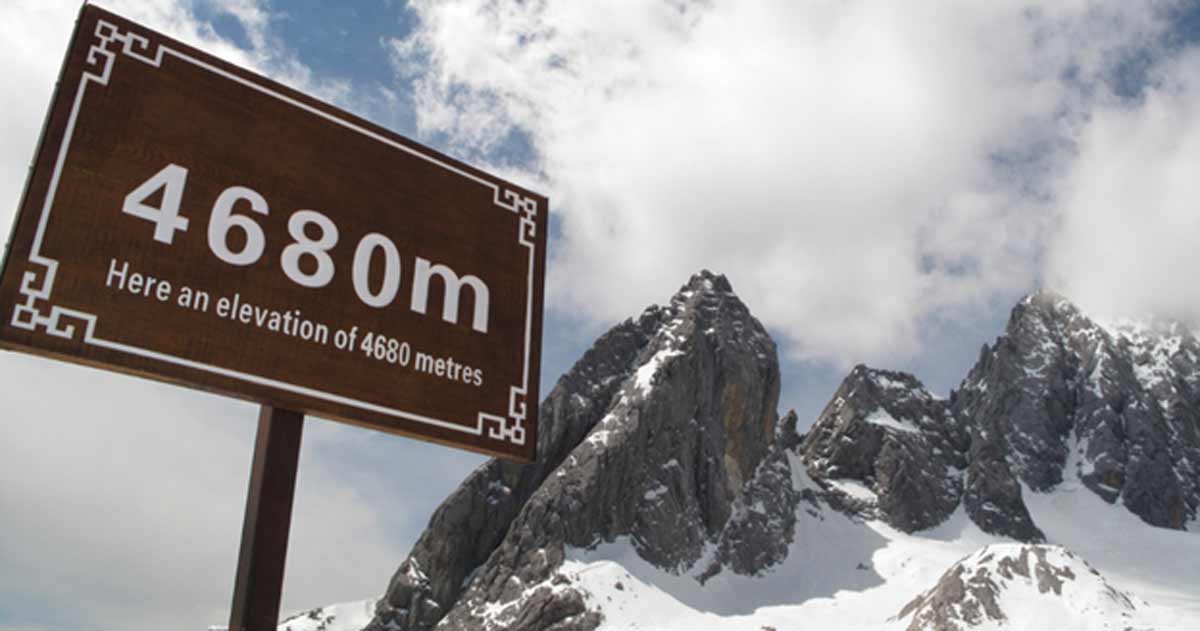
The Skin Cancer Foundation points out that UV intensity, and skin cancer risk with it, rises as you ascend to higher altitudes. UVB rays are the ones that cause sunburn and are what SPF ratings are built around, but UVA rays matter too. They penetrate deeper into the skin, and they’re linked to premature ageing and a higher long-term skin cancer risk.
Zinc oxide covers both. It sits on top of the skin and physically blocks UVA and UVB rays across the spectrum, rather than absorbing and converting them the way chemical filters do. That makes it a reasonable option for long days in the sun, though it’s still one part of a broader approach to sun protection rather than a substitute for shade, timing, and covering up.
Stays put when you sweat
One genuine problem with a lot of sunscreens is that they run into your eyes once you start sweating, which stings and blurs your vision at exactly the point you need to be watching your footing. Chemical sunscreens containing ingredients like avobenzone, oxybenzone, octinoxate, and homosalate seem particularly prone to this. Zinc oxide tends to sit more stably on the skin and doesn’t run the same way, which in practice means fewer moments of stopping on the trail to wipe your eyes.
Can help with windburn
Wind exposure at altitude and in open country can leave your skin raw in a way that’s uncomfortable on its own, and worse layered on top of sunburn. Zinc oxide forms a physical barrier on the skin and is generally considered to have mild anti-inflammatory and moisture-retaining properties, which is why it’s a common ingredient in nappy rash and skin-barrier creams as well as sunscreen. Some hikers find it takes the edge off windburn for this reason, though it’s a supporting effect rather than a treatment.
One thing worth adding if you’re shopping for a hiking sunscreen: products that pair zinc oxide with hyaluronic acid, a hydrating ingredient that helps the skin hold moisture, tend to feel less drying over a full day outside than zinc oxide alone.
Fragrance-free options don’t attract insects the same way

Scented sunscreens, including ones with synthetic fragrance, can draw insects, which turns a quiet walk into a session of swatting flies and mosquitoes. There’s also ongoing research into whether some synthetic fragrance chemicals affect the body’s hormone system, and while the science on that is still developing rather than settled, it’s a reasonable enough reason for some hikers to prefer fragrance-free products anyway. Most zinc oxide sunscreens marketed for outdoor use are fragrance-free, which solves the bug problem and sidesteps the fragrance question at the same time.
If you also need insect repellent, apply it over the top of your sunscreen rather than under it, or use a natural essential oil-based repellent if you’d rather avoid DEET-based products.
Can help with chafing
Zinc oxide’s barrier-forming and mildly anti-inflammatory properties are also why some hikers use it on chafe-prone areas like the inner thighs on longer days, the same reasoning behind zinc-based nappy creams. It’s not a purpose-built chafing product, but it’s already in your pack for sun protection, so it’s a reasonable thing to try before you reach for something else.
Can help with dry, chapped lips
Zinc oxide is also used in lip balms and minor-wound skincare because it forms a protective barrier that helps lock in moisture and keeps irritants off the skin. Used this way it can take the edge off chapped lips on a windy, dry hike, though it’s a barrier product rather than a medical treatment, and a genuinely cracked or bleeding lip needs more than sunscreen. Choosing a zinc oxide product without added synthetic fragrance or unnecessary chemical additives is worth doing for lip use in particular, given the risk of ingesting whatever you put there.
Supplementing sunscreen with the right gear
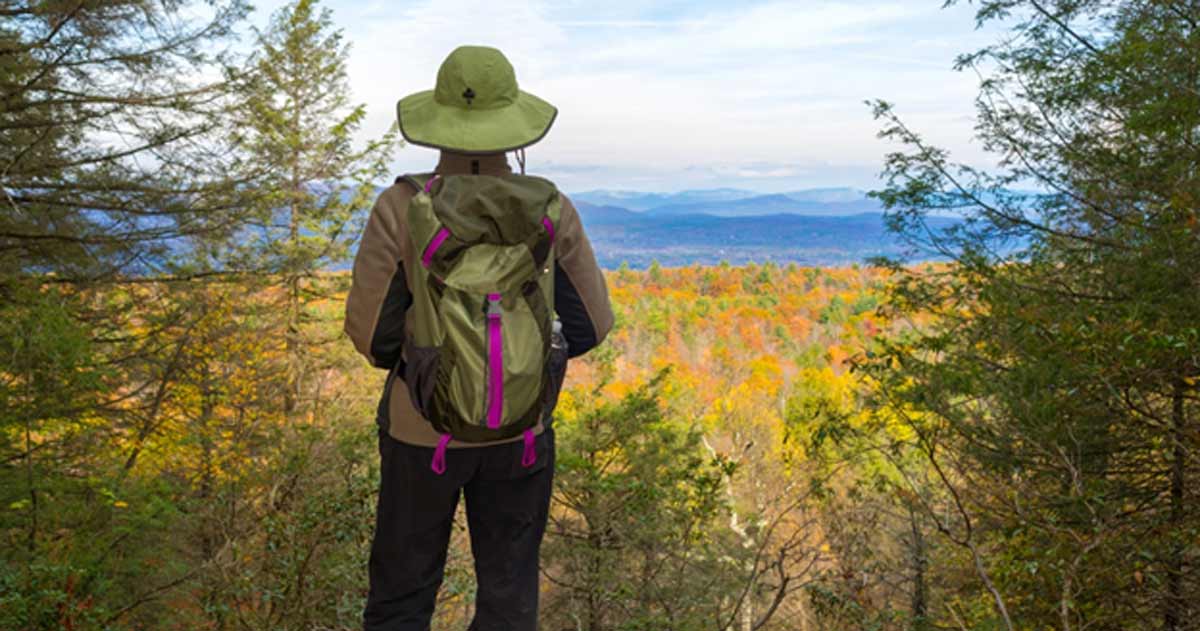
Sunscreen works better as part of a broader approach than as the whole plan. Wearing sun-protective clothing means you don’t need to cover as much skin in zinc, which saves time and product on a long day.
UPF-rated clothing
Look for clothing rated UPF 50. It gives strong sun protection without needing to be reapplied the way sunscreen does, and most outdoor clothing brands now include a sun shirt or hoody and sun-protective pants in their range.
A proper hiking hat
Broad-brimmed or legionnaire-style hats provide real shade for the face, ears, and neck, areas that are particularly vulnerable to sunburn and easy to forget about.
Sunglasses
Good sunglasses matter for eye health, not just comfort. UV exposure is linked to cataracts and macular degeneration, so look for glasses labelled UV400, which block close to 100% of UVA and UVB radiation. Wraparound and polarised lenses help further, particularly around snow, sand, or water where glare and reflected UV are both higher.
A buff
A hiking buff is a small, versatile piece of gear that covers the neck, face, or head depending on how you fold it. It works as a neck scarf, face mask, bandana, or makeshift hat, and it’s just as useful against biting wind as it is against sun.
Packing it
Between altitude and reflection off snow, water, and sand, sun exposure on the trail is often worse than it feels on the day. Zinc oxide is the sunscreen I reach for because it gives solid broad-spectrum coverage, sits stably on the skin when I’m sweating, and does a few useful secondary jobs around windburn, chafing, and chapped lips without much extra weight in the pack. It’s not a substitute for a hat, UPF clothing, and good sunglasses, but alongside them, it’s a sensible default for most Australian hiking conditions.


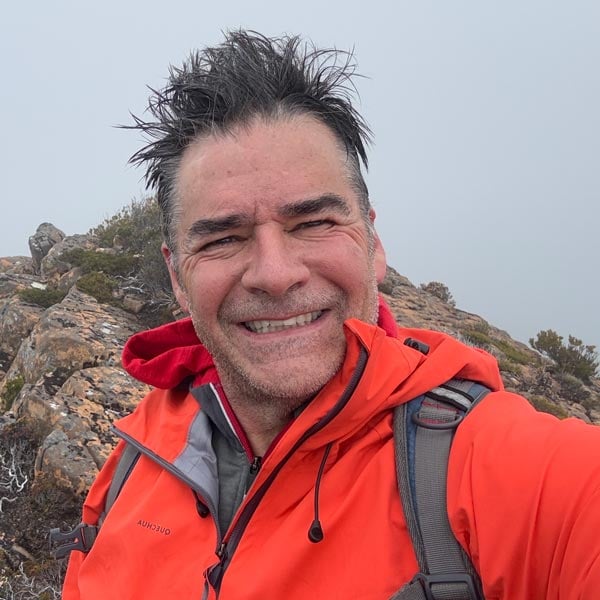



Zinc is definitely my goto