When I’m choosing hiking footwear, most of my attention used to go to soles, tread patterns, and ankle height. The upper gets overlooked, but it’s one of the most important and least understood components. The upper is the entire part of the boot or shoe that wraps around and protects your foot, excluding the sole, and its materials and construction directly affect comfort, durability, breathability, weather resistance, and how well your footwear survives Australian conditions.
There is no universally “best” upper. Every material involves trade-offs, and understanding those compromises is the key to choosing footwear that suits where, how, and how often you hike.
What a Footwear Upper Does
The upper secures your foot to the midsole and outsole, protects it from external hazards, manages moisture and heat, and limits unwanted movement on uneven terrain. On rough ground, the upper also resists twisting and deformation under load, helping maintain stability when side-hilling or descending steep terrain.
In Australian environments, uppers are often the first part of a boot or shoe to fail. Abrasive rock, dense scrub, heat, and repeated wet-dry cycles quickly expose weaknesses in material choice or construction.
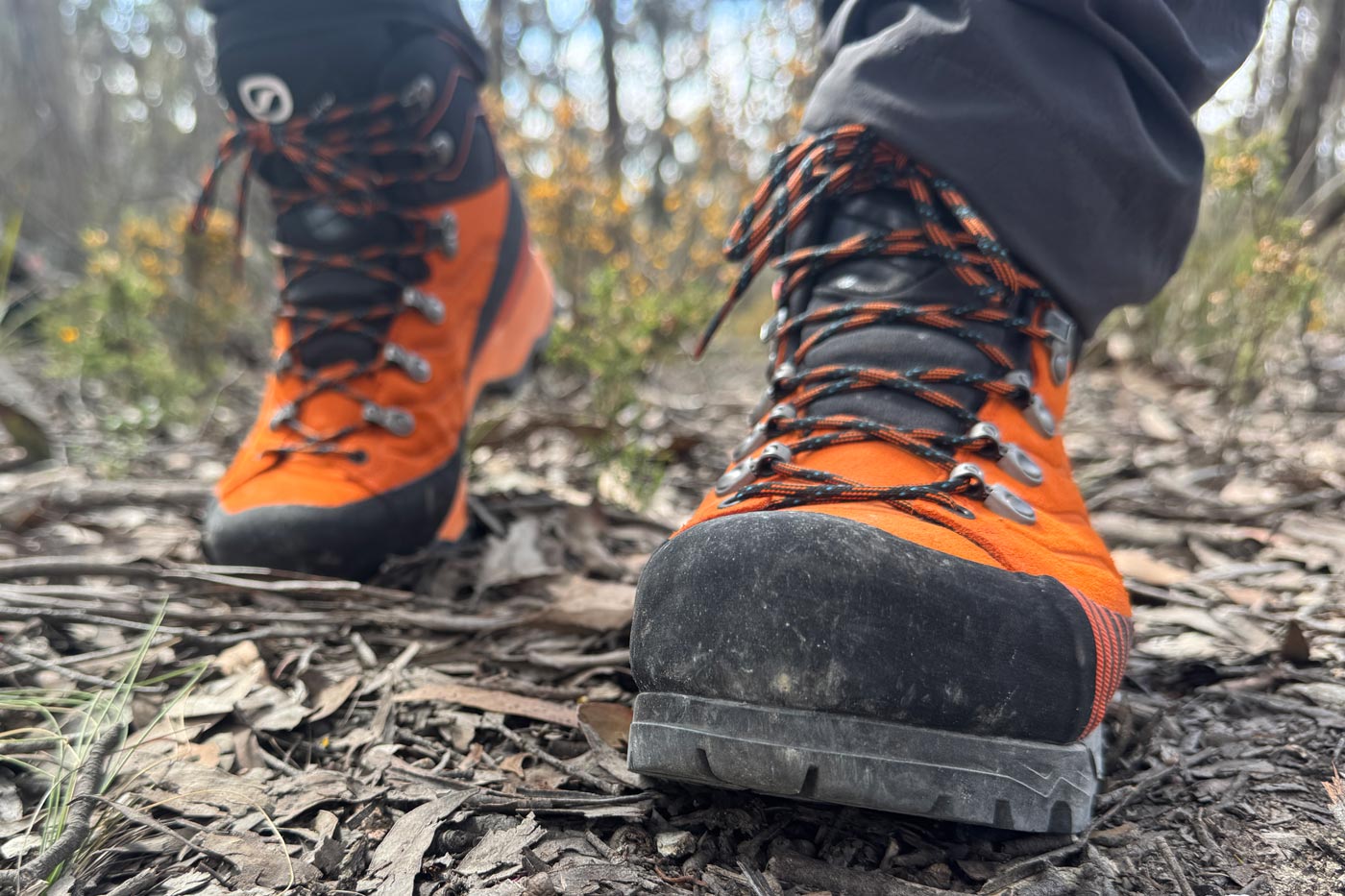
Full Grain Leather Uppers
Full grain leather is the traditional benchmark for durability. It is made from a single piece of high-quality hide with the natural grain intact.
The main strength of full grain leather is longevity. It resists abrasion from rock, scree, and scrub, holds its shape under heavy packs, and provides excellent structure on uneven ground. In areas with sharp granite or relentless scrub, such as the Budawangs or sections of the Larapinta Trail, I’ve found leather uppers withstand punishment that would quickly destroy lightweight synthetics.
Leather also excels in muddy environments. In places like Tasmania or the Victorian Alps, mud and clay tend to wipe clean off leather, while synthetic mesh can trap grit that dries and effectively sands the fabric from the inside out.
The limitations are weight, stiffness, and heat retention. Full grain leather boots are heavier than modern alternatives, require a break-in period, and can feel warm in hot conditions. Once fully soaked, they also dry slowly. Regular cleaning and conditioning are essential to maintain performance.
Pro tip: Never dry leather boots close to a campfire or heater. Rapid heat causes the leather to harden and crack, permanently weakening the upper.
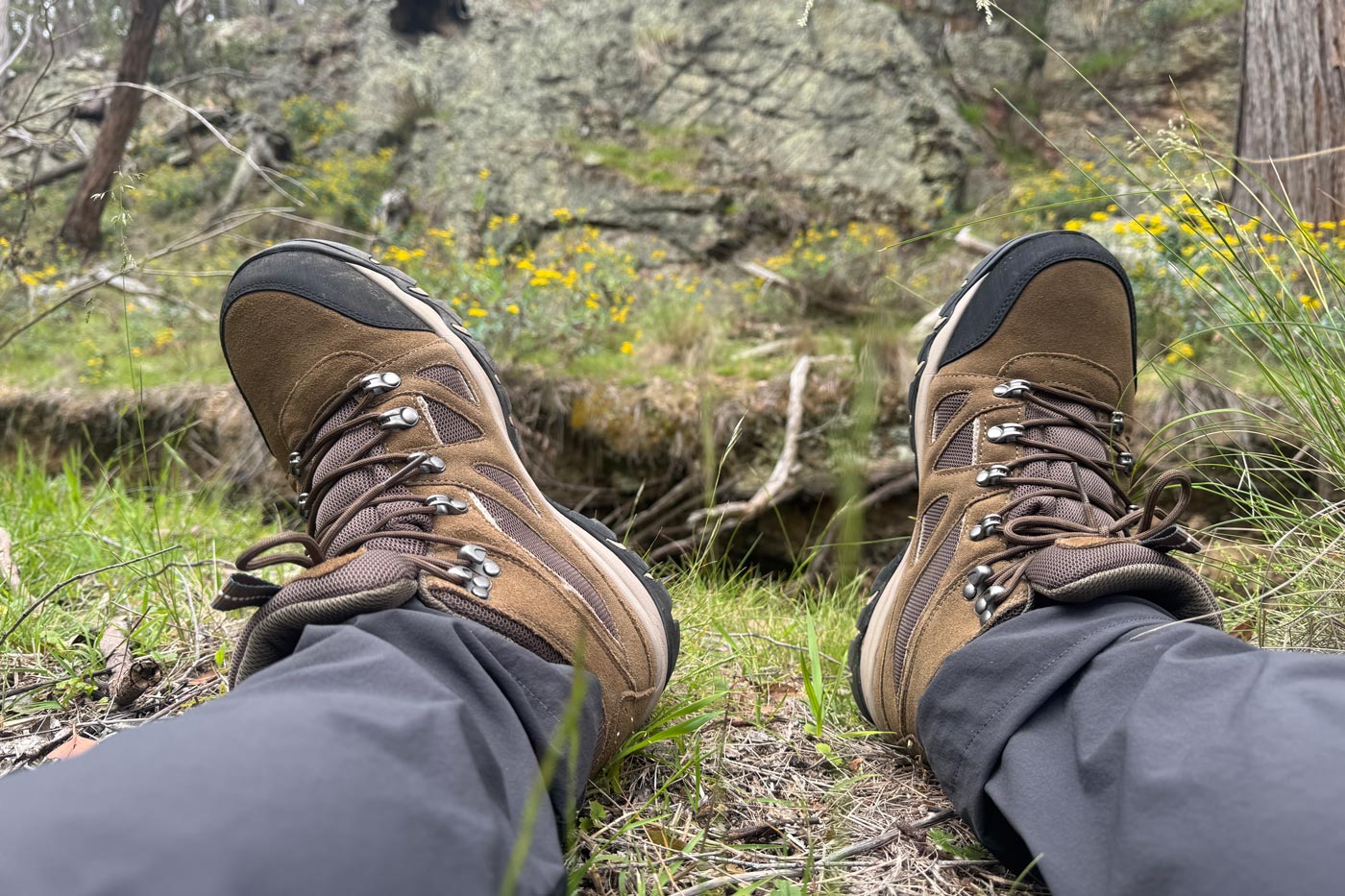
Split Grain Leather and Nubuck Uppers
Split grain leather and nubuck are created by sanding or splitting the hide, often combined with fabric panels to reduce weight and increase flexibility.
These uppers offer a more forgiving, out-of-the-box feel than full grain leather and tend to breathe better in warm weather. For many hikers, they strike a balance between structure and comfort, making them popular for maintained tracks and mixed terrain.
The trade-off is reduced abrasion resistance and water shedding. In dense scrub or rocky terrain, these uppers wear faster than full grain leather and rely heavily on surface treatments or liners to manage moisture.
They suit weekend hikes, lighter packs, and walkers who want comfort without committing to a traditional heavy boot.
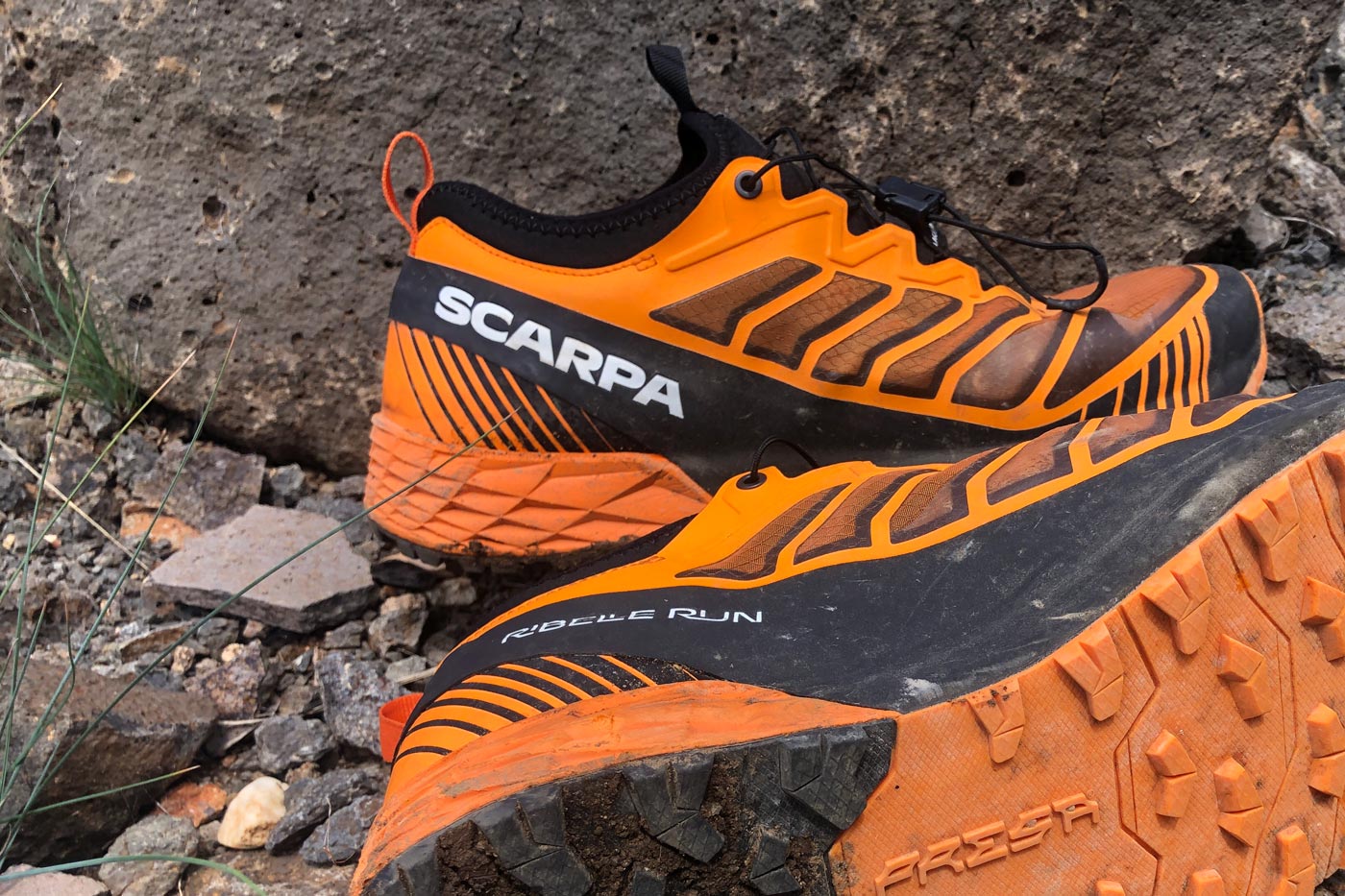
Synthetic Fabric Uppers
Synthetic uppers are typically made from nylon, polyester mesh, or engineered fabrics, often reinforced with overlays.
Their strengths are low weight, high breathability, and fast drying. In hot conditions, or on long dry walks with occasional creek crossings, they can be significantly more comfortable than leather. They also require little to no break-in.
However, Australian terrain exposes their weaknesses quickly. Spinifex, sharp granite, and scree can shred exposed mesh, particularly in arid or rocky regions. Once damaged, synthetic uppers usually fail quickly rather than gradually. They also provide less protection from impacts, scrub, and low-level hazards.
Pro tip: After coastal hikes such as the Great Ocean Walk, rinse synthetic uppers with fresh water. Salt crystals left in the fabric act like tiny saw blades, accelerating wear.
Synthetic uppers are best for day hikes, trail-focused walking, and lighter loads where comfort and ventilation matter more than long-term durability.
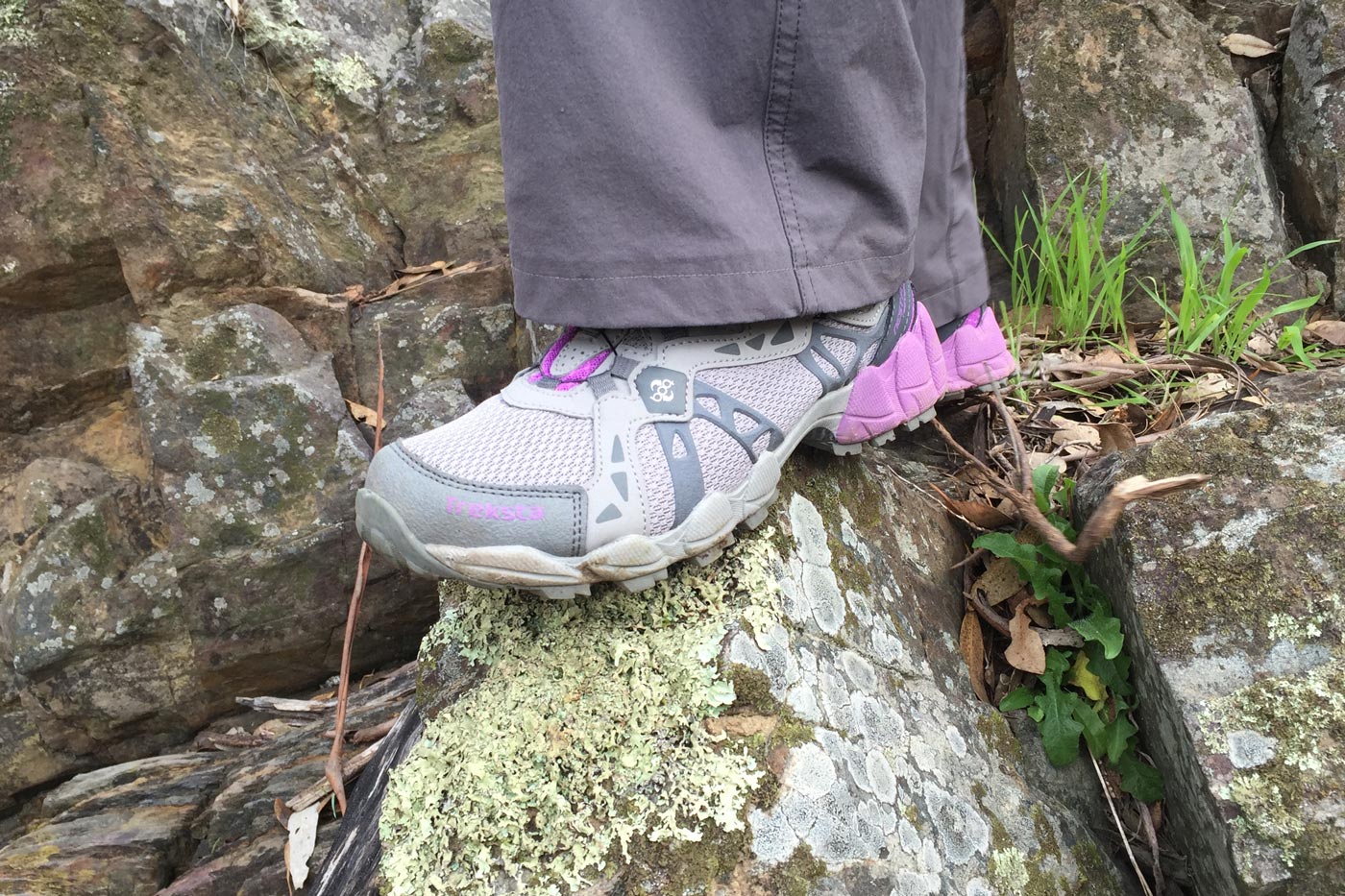
Knit and Engineered Mesh Uppers
Knit uppers borrow heavily from running shoe design, using single-piece or minimally-stitched woven fabrics that wrap closely around the foot.
They are exceptionally comfortable, highly breathable, and adapt well to foot shape. In hot, dry conditions on well-formed tracks, they can feel effortless to walk in.
The downside is protection and longevity. Knit uppers offer minimal resistance to abrasion, little structure on uneven ground, and almost no defence against scrub, rock, or sharp vegetation. From a practical standpoint, they also provide far less psychological and physical protection against scrapes and potential snake strikes than thicker leather or reinforced uppers.
These uppers are best reserved for maintained trails, fair weather, and hikers who already prefer trail runners over boots.
Waterproof Membranes Explained
Waterproofing is not an upper material. It is an internal layer, usually a breathable membrane, bonded inside leather or synthetic footwear.
Waterproof membranes help keep feet dry in rain, wet grass, and shallow creek crossings, and they improve warmth in cold conditions. In winter or alpine environments, they can significantly enhance comfort.
The compromise is reduced breathability, particularly in warm Australian climates. Once water enters from the top, waterproof footwear dries slowly. Over time, membranes can also degrade, leaving footwear that is neither fully waterproof nor highly breathable.
I prefer non-waterproof uppers for warm conditions myself, relying on quick drying rather than moisture exclusion, and I know a lot of experienced Australian hikers who do the same.
Reinforced and Hybrid Uppers
Most modern hiking boots and shoes combine multiple materials, such as leather panels for structure, synthetic fabrics for breathability, and rubber reinforcements for protection. This approach can work extremely well, but only when the transitions between materials are properly designed.
In Australian conditions, hybrid uppers usually fail at the joins rather than in the materials themselves. Stitch lines, glued overlays, and poorly bonded panels are common weak points, especially when footwear is repeatedly forced into rock, scrub, or scree.
Well-designed hybrid uppers use reinforcement to protect these transition zones, reduce flex stress, and prevent the upper from peeling away from the sole. Poor designs save weight and cost at the expense of longevity.
For hikers who walk regularly in abrasive terrain, how a hybrid upper is reinforced often matters more than the specific materials used.
The Rubber Rand
A rubber rand is the protective strip that wraps around the lower edge of the upper, often extending 360 degrees around the boot.
In Australian hiking, this feature matters more than many people realise. A substantial rubber rand acts like a bumper bar, protecting the upper from abrasion and preventing the upper from separating from the sole when wedged into rock crevices or pushed through scrub. In practical terms, a good rand is often the difference between footwear lasting one season or five.
Hybrid uppers can offer excellent all-round performance when well designed, but poorly executed joins between materials can become failure points.
Quick Reference: Upper Materials Compared
| Upper type | Strengths | Limitations | Best suited for |
| Full grain leather | Maximum durability, structure, abrasion resistance | Heavy, warm, slow drying | Off-track, heavy packs, alpine, long-term use |
| Split grain / nubuck | Lighter, more flexible, comfortable | Wears faster, less water resistance | Formed tracks, weekend hikes |
| Synthetic fabric | Lightweight, breathable, fast drying | Low abrasion resistance, shorter lifespan | Day hikes, warm weather |
| Knit / mesh | Exceptional comfort, high ventilation | Minimal protection, low durability | Maintained trails only |
| Hybrid with rand | Balanced performance, extended lifespan | Quality varies by design | Mixed Australian conditions |
Maintaining Peak Performance of Footwear Uppers
No upper material is maintenance-free. How you clean, dry, and store your footwear has a direct impact on comfort, durability, and lifespan, particularly in Australian conditions.
Leather uppers benefit from regular cleaning to remove grit and mud, followed by slow, natural drying away from direct heat. Occasional conditioning helps prevent cracking and maintains flexibility, especially after repeated wet-dry cycles. Neglecting leather care is one of the fastest ways to shorten the life of an otherwise durable boot.
Synthetic and mesh uppers require less conditioning but still need attention. Rinsing out dust, salt, and fine grit after walks helps preserve breathability and prevents internal abrasion. Harsh detergents and aggressive scrubbing can damage fibres and glued overlays, accelerating failure.
Regardless of material, storing footwear fully dry and loosely laced reduces odour, material breakdown, and premature delamination. Regular care does not just extend lifespan, it helps footwear perform as intended when conditions turn demanding.
Choosing the Right Upper for Australian Conditions
Australian hiking places unique stress on footwear. Heat, abrasive terrain, dense scrub, and long distances quickly reveal whether an upper is suited to the task.
If you regularly walk off-track, carry heavier packs, or hike in alpine or remote areas, durability and protection are worth the extra weight. If your walking is mostly on formed tracks in warm conditions, lighter and more breathable uppers may improve comfort and reduce fatigue.
Understanding upper materials helps you choose footwear based on real-world performance rather than marketing claims, which is ultimately why I keep coming back to leather for anything off-track and save the lighter synthetics for formed trails in warm weather.