I’ve had enough long days on the trail, and watched enough hikers fade badly in the last few kilometres, to know that fuel is not just about comfort or performance. It underpins coordination, pacing, thermal regulation, and decision making. When intake declines, the effects are often subtle at first. Concentration drifts. Stride shortens. Small errors begin to creep in, and I’ve seen those small errors matter a lot more than people expect once the terrain gets technical.
Understanding how carbohydrates function in the body lets you manage energy deliberately rather than relying on appetite alone, which is the habit that catches most people out.
Carbohydrates sit within the Hydration and Fuel system of the Trail Hiking Australia Hiking Safety Systems framework.
The body’s two fuel tanks
I find it useful to think of carbohydrate use in terms of two fuel tanks, because it explains why hunger alone is such an unreliable guide.
Your body carries:
- A small tank: glycogen, the stored form of carbohydrate in muscle and liver
- A large tank: body fat
The large tank holds a substantial amount of energy, even in lean people. The problem is that it’s slow to access and can’t fully support higher intensity effort or rapid decision making on its own.
The small tank is what powers sustained climbing, uneven terrain movement, and the brain’s need for stable blood glucose. The problem there is capacity. For most people, glycogen stores support roughly 90 to 120 minutes of sustained moderate to high effort before meaningful depletion begins.
On a long hike, that window passes quickly, and it’s earlier in the day than most people assume.
Once glycogen levels drop, effort feels harder, coordination declines, and mental clarity can deteriorate. This isn’t always dramatic. More often it shows up as late day navigation errors, poor pacing choices, or an increased stumble risk on technical ground, the kind of thing I’ve seen written off afterwards as “just tiredness” when it was really a fuel problem.
How much is enough?
For sustained hiking, a practical guideline is around 30 to 60 grams of carbohydrate per hour. Exact needs vary with terrain, pack weight, temperature, and individual size, but regular intake matters more than precision.
Handy rule of thumb
Approximately 30 grams of carbohydrate is found in:
- One large muesli bar
- A generous handful of dried fruit
- A medium banana
- 500 to 600 ml of standard sports drink
Eating something small each hour is usually more effective than waiting for hunger. On steep or committing days, I’ll set a timer reminder rather than trust appetite to do the job.
On overnight and multi day hikes, total daily intake also matters. Evening meals and breakfast should restore glycogen stores so the next day doesn’t start at a deficit.
Glycaemic index and steady output
The glycaemic index describes how quickly carbohydrate foods raise blood glucose.
Lower GI foods release energy more gradually and are useful for maintaining steady output over several hours. Examples include oats, wraps, pasta, and some muesli bars.
Higher GI foods are absorbed more rapidly and can be useful:
- Before a sustained climb
- During prolonged exertion
- If you begin to feel light headed or depleted
In practice, most hikers benefit from a mix. Slower release foods support stable pacing. Small amounts of quicker release carbohydrate give you flexibility when effort increases.
The goal isn’t to eliminate high GI foods, but to use them deliberately.
Training the gut
A common reason hikers cut back on carbohydrate intake is nausea during steep climbs or in hot weather. The digestive system, like the legs, adapts to load. This is worth taking seriously in Australian conditions, where a hot, dry summer day can suppress appetite well before dehydration becomes obvious, and where the temptation is to stop eating right when you need fuel most.
If you find it hard to eat while hiking, start with very small amounts of simple carbohydrate at regular intervals. Sip rather than chew. Over time, your gut becomes more tolerant of processing fuel while moving under load.
Liquid calories can be particularly useful when appetite drops. Sports drinks or diluted carbohydrate powders let you take in fuel without chewing, and can help maintain the 30 to 60 gram per hour range when solid food feels unappealing.
The late afternoon danger zone
Many incidents occur in the final third of the day. This is when terrain fatigue, time pressure, and declining light often combine.
It’s also when glycogen stores are most likely to be depleted.
A small carbohydrate snack mid afternoon is not simply about comfort. It’s a practical safety intervention for the decisions you’ll make an hour later. Stable blood glucose supports clearer navigation choices, better foot placement, and improved hazard recognition when you’re tired.
Fuel timing should anticipate this window rather than react to it.
Carbohydrates, hydration, and cold
Carbohydrates support fluid absorption in the gut, particularly when consumed with water or electrolyte solutions. Eating and drinking together improves overall delivery of both fuel and fluid.
Reduced intake often coincides with reduced drinking, compounding fatigue and cognitive decline.
Carbohydrates also contribute to heat production. In cold conditions, inadequate intake can reduce your tolerance to low temperatures. This becomes particularly relevant in alpine or exposed environments where energy demand increases.
Fuel as a safety system
Inadequate carbohydrate intake can contribute to:
- Slower decision making
- Navigation errors
- Reduced coordination
- Increased stumble and trip risk
- Lower cold tolerance
These effects accumulate gradually and are often mistaken for general tiredness, which is exactly why I treat fuel as a planning item rather than something to sort out when I feel like it.
A simple strategy is usually the most reliable one. Eat small amounts regularly. Combine intake with fluid. Adjust for terrain, duration, and temperature. Plan for the entire day rather than the next hour, and the rest of your decision making on the trail tends to hold up a lot better for it.
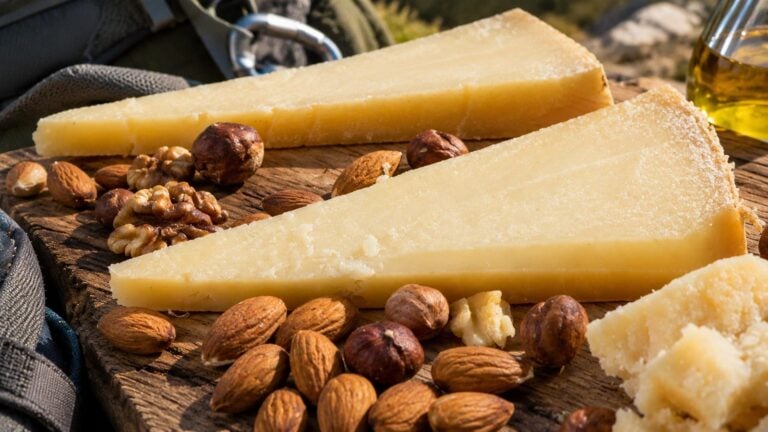
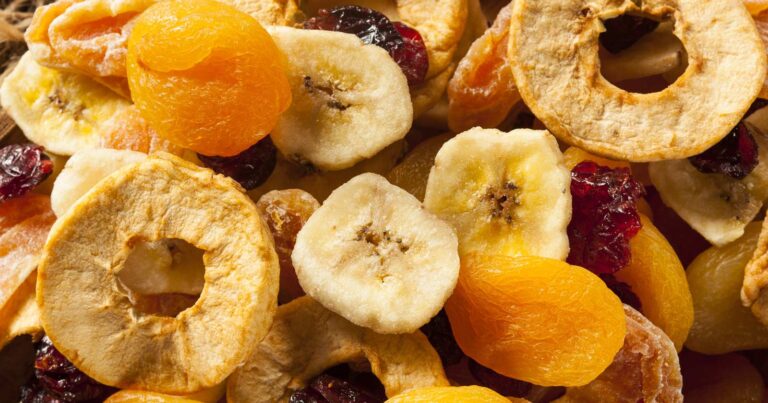
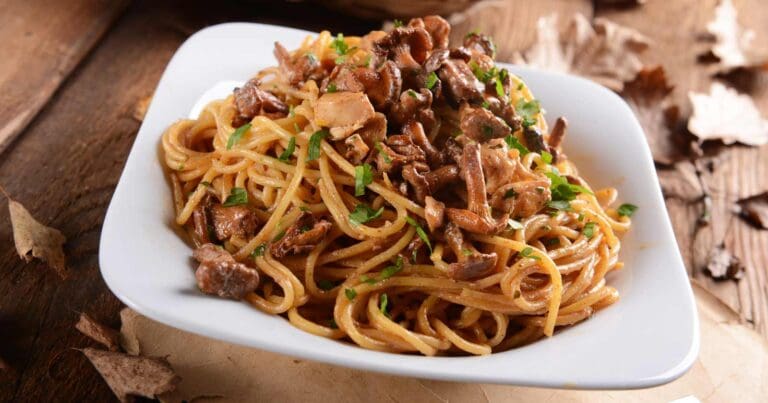




Have you ever noticed how your energy dips on a long hike? What snacks do you rely on to keep you going?
this is usually my problem, if you have a multiple day hike very far from stores or civilization how do you get enough of these to fuel you on the road?
John Barz Great question. The trick isn’t carrying fresh fruit and vegetables for days on end. It’s carrying lightweight, energy-dense carbohydrate foods. Things like oats, wraps, pasta, couscous, instant mashed potato, muesli bars, dried fruit, lollies, crackers and trail mix all pack a lot of carbohydrates for their weight. On longer trips I’ll often aim to eat a little every hour rather than waiting until I’m hungry (or hangry). It keeps my energy and mood much more consistent and helps avoid that late-afternoon slump when it’s easy to start making poor decisions.