Trekking at high altitude presents unique challenges, both physically and mentally. Lower oxygen levels stress your body on their own, but once mental fatigue sets in on top of that, everything gets harder to manage, because the same fatigue that wears you down is also what makes it difficult to notice the physical symptoms you’re supposed to be watching for. That’s the thread running through the mistakes below.
1: Climbing Too Fast
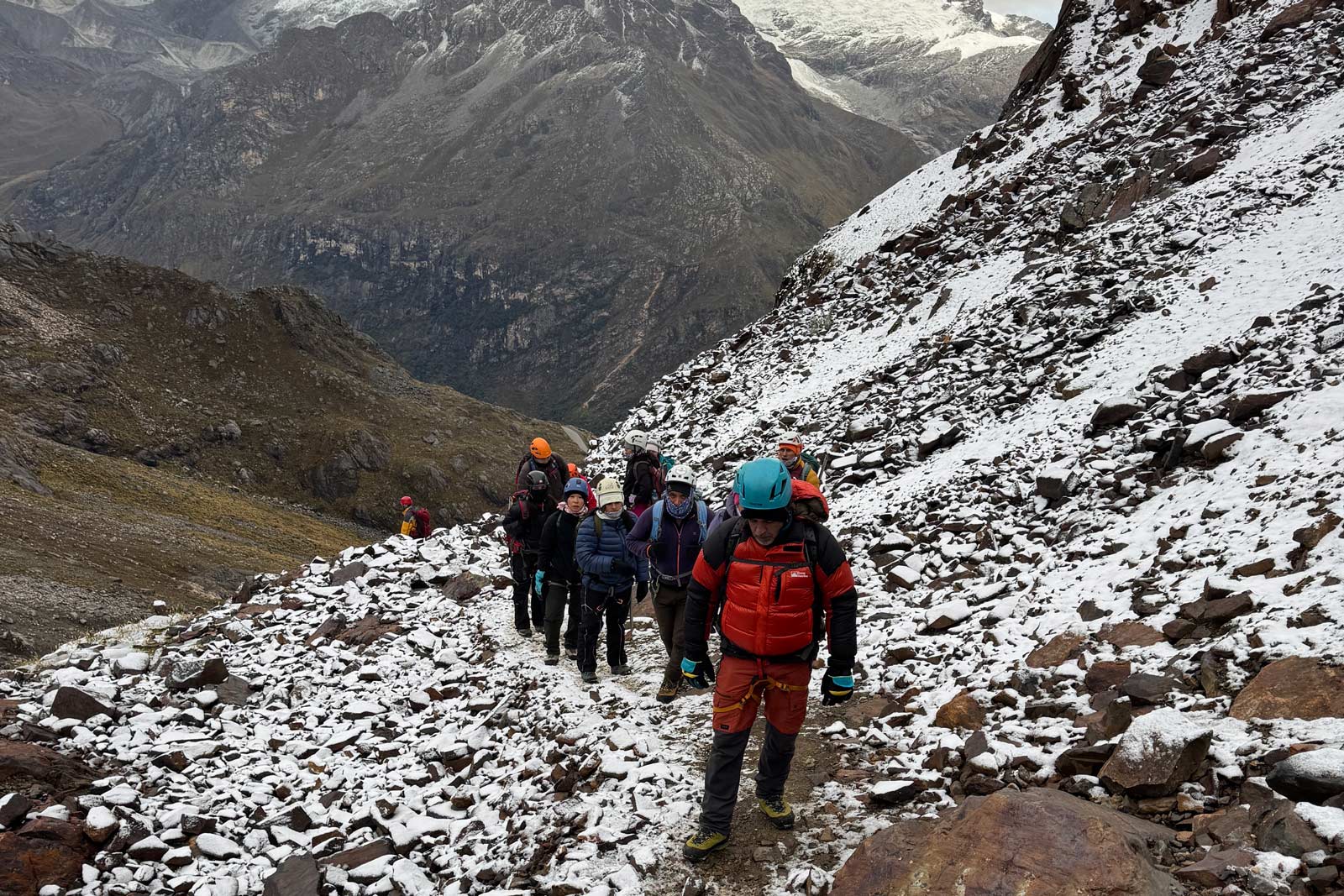
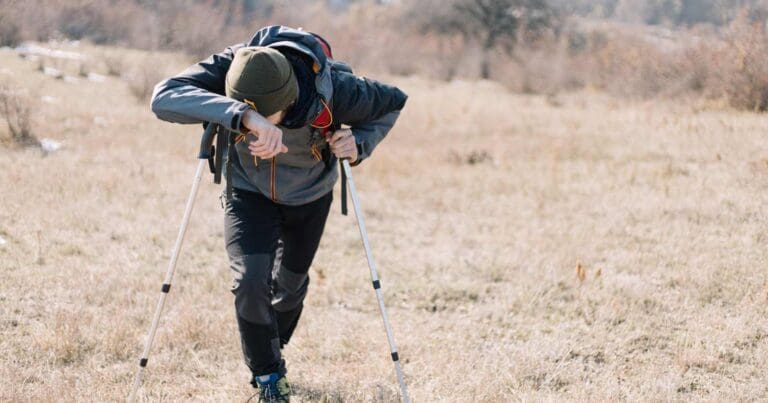
Rate of ascent is the number 1 risk factor for altitude sickness. Your body needs time to acclimatise to reduced oxygen levels, and rushing that process is asking for trouble on its own. But speed compounds the problem a second way: it increases stress, and stress acts like a fog machine in your mind, clouding the judgement you need to recognise the very symptoms of altitude sickness you’re trying to prevent.
Even fit trekkers who feel capable of pushing themselves need to remember that slow and steady isn’t just physically safer, it also keeps mental fatigue in check. Overexertion can make cognitive difficulties worse, turning a challenging trek into a frustrating battle against fatigue. Allow your body and mind to adjust before continuing at speed.
2: Failing to Fuel Properly
Appetite suppression at high altitude makes it harder to fuel your body properly, and when your mental tank is running low, motivation drops with it. Lack of energy breeds apathy: you lose the desire to eat, or even to appreciate your surroundings, and that combination is a clear sign that both body and mind are overstretched.
When you’re not properly nourished, physical performance suffers, and so does your ability to think clearly. This mental fatigue can cause hikers to miss important signs of altitude sickness, putting them at greater risk. The mental fog that comes from energy depletion can make even the most beautiful landscapes seem insignificant, so fuel consistently to avoid it.
Some tips to ensure you’re getting enough fuel include:
- Bring energy-dense, palatable foods such as chocolates, nuts, dried fruit, and cheese.
- Ensure a mix of both sweet and savoury snacks to prevent taste fatigue.
- Consider an electrolyte supplement with added carbohydrates for an easy source of calories.
3: Alcohol and Sleeping Pills at Night
After a long day on the trail, sleep can be hard to come by at high altitude, and it’s tempting to reach for alcohol or a sleeping pill to force it. Both are respiratory depressants, and they slow your breathing, which interferes with the deeper, faster breathing your body needs for acclimatisation.
Mental fatigue makes sleep harder to find in the first place too, since anxiety and negative self-talk often increase in unfamiliar environments. Instead of relying on sleep aids, try mindfulness exercises or deep breathing to manage anxiety and promote better sleep. If you feel overwhelmed by the environment, take it as a gentle nudge from your body and mind that it’s time to slow down.
4: Ignoring Hydration Needs
Dehydration is a major risk at high altitude. You lose water through increased respiration, exertion, and dry air. On top of this, mental fatigue can make it harder to concentrate on essential tasks like monitoring your hydration, and that difficulty concentrating can cause hikers to forget to check their urine colour or drink consistently.
Apathy and a lack of awareness about your hydration levels are themselves clear signs of mental fatigue. Your body and mind require sufficient fuel and hydration to function properly, so drink regularly, even when you don’t feel thirsty, to avoid the combined risk of dehydration and mental exhaustion.
Group dynamics and preparing properly
Avoiding these four mistakes matters, but managing mental fatigue and understanding how it affects your decision-making is just as important for a safe trek. Increased irritability is another sign of mental fatigue at altitude, and it’s worth watching for specifically in a group, because it can tip into group conflict and poor safety decisions at exactly the point when clear communication between group members matters most. Plan properly for acclimatisation, monitor your physical and mental wellbeing as you go, and take regular breaks to keep both body and mind fresh.



Ive found the best things for me is to go slow, don’t ascent too rapidly, and find a pace you can maintain all day. What strategies do you find most effective during a high-altitude trek?
Kate McDonald ❤️ (My brother’s website)
Sharee Gaiser thanks sis xx
Sharee Gaiserthanks! It’s a great read 😁