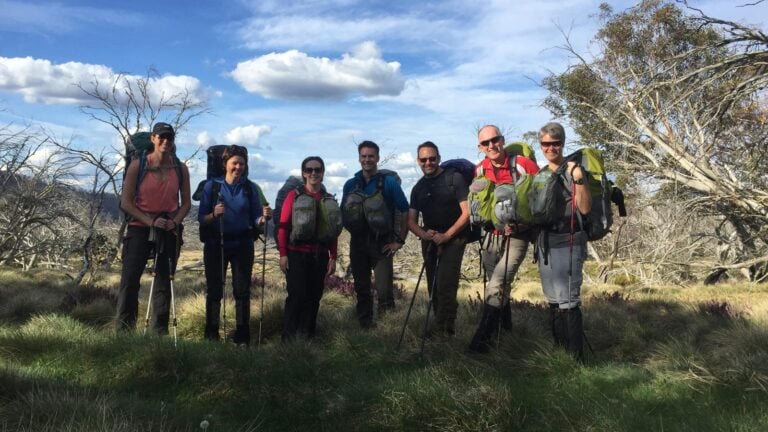
Adventure activities carry real financial risk that most hikers don’t think about until something goes wrong. A twisted ankle a few hours from the nearest road, a bout of altitude sickness on a longer trek, or a fall on uneven terrain can turn from an inconvenience into a helicopter evacuation and a hospital bill most people haven’t budgeted for. That’s what adventure travel insurance is for, whether you’re hiking, abseiling, or canyoning.
Standard travel insurance often excludes these activities altogether, or caps the cover so low it’s not much use in a genuine emergency. If you’re heading out to do any of them, check your policy actually covers the activity before you rely on it.
What adventure travel insurance actually covers
Travel insurance serves as a safety net, covering medical and dental costs incurred outdoors. That includes the obvious things, sprains and fractures from uneven terrain, and the less obvious ones, like emergency evacuation for altitude sickness or a serious injury somewhere hard to reach. Knowing that cover is in place means you can focus on the hike rather than running through worst-case costs in your head.
Benefits worth understanding
- Medical Expense Coverage: Unexpected medical bills, whether for minor injuries or complex medical scenarios, can significantly impact your trip. Insurance helps manage these costs, so you get the care you need without the financial burden landing on you at the worst possible time.
- Emergency Medical Evacuation: In remote areas, or where the situation genuinely needs urgent attention, insurance can arrange helicopter evacuation or other emergency transport to the nearest appropriate medical facility.
- Repatriation: In the event of a fatality, insurance covers the cost of returning your remains home, which takes one significant burden off your family at an already difficult time.
- Accidental Death and Dismemberment: Some plans offer this benefit, providing financial support to beneficiaries in case of a fatal accident or permanent disability sustained during the hike.
- 24/7 Emergency Assistance: Many plans give you access to a dedicated medical assistance hotline, with guidance and support wherever you’re located, in Australia or abroad.
Choosing the right policy
Australia’s travel insurance market has plenty of options, which makes the decision harder rather than easier. A few things are worth weighing up before you commit to a plan:
- Maximum Coverage: Choose a coverage limit that actually matches the risk, factoring in how remote your hike is and how complex a medical evacuation from that location could get.
- Essential Benefits: Prioritise the cover that matches your trip. If you’re heading somewhere remote, emergency evacuation matters most. For longer international hikes, repatriation cover is worth checking too.
- Deductible: This is the amount you pay before the insurance kicks in. A lower deductible means faster financial relief but a higher premium, so weigh that against your own budget and appetite for risk.
- Provider Network: Check whether the plan has in-network providers, usually meaning discounted rates, in the areas you’ll actually be hiking, especially if your trip crosses state lines.
- Assistance Services: Look for plans that include medical consultations during hospitalisation, help arranging emergency transport, and referrals to facilities near where you’re hiking.
Why this is worth the effort
The financial protection is the practical reason to get a policy, but the real value is that it lets you get on with the hike instead of running risk calculations in your head at every uneven step. Knowing you’re covered doesn’t change the terrain, but it changes how you deal with it if something happens.
A few practical tips
- Use comparison websites to check quotes from different providers before settling on one.
- Read the policy details properly. Exclusions and limitations matter more than the marketing copy.
- If your situation is complicated, an insurance broker can give you guidance a comparison site won’t.
- Update your insurance details if your plans change.
Getting the right cover, alongside prioritising your health and safety on the trail, is what actually reduces the financial risk of an adventure trip going wrong. Compare providers rather than defaulting to the first quote you see, and make sure whatever plan you choose covers medical expenses, emergency evacuation, and repatriation, with assistance available around the clock.
Planning a hike?
Insurance covers the financial side, but it’s not the same as understanding how search and rescue actually works if you get into trouble in the bush. For that, read our guide to Bush Search and Rescue (BSAR) in Australia.