Canyoning combines climbing, hiking, swimming and rappelling into a single activity, and it’s how you get into narrow, steep-walled canyons carved by rivers and streams over centuries that you simply can’t reach any other way. This blog covers what canyoning actually involves, the equipment it takes, and why it’s become such a drawcard for adventure enthusiasts.
What is canyoning?
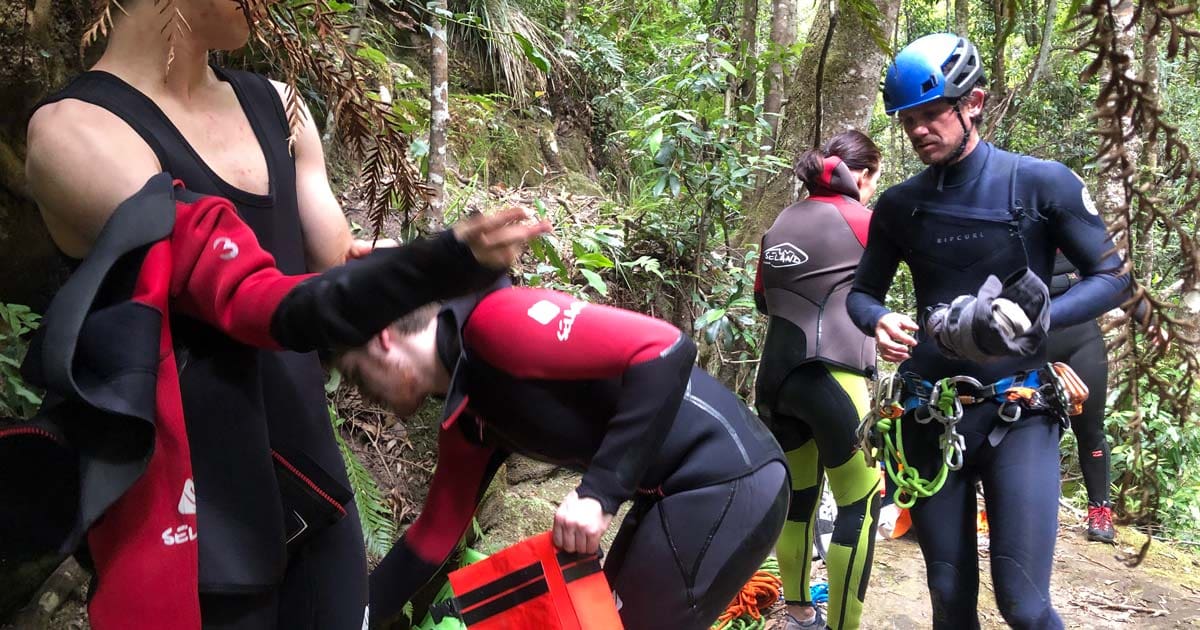
Canyoning, also known as canyoneering in some regions, is an outdoor activity that involves working your way through a canyon using a mix of techniques rather than just one. As you move through, you’ll come up against a series of natural obstacles: cascading waterfalls, rocky pools, slippery surfaces. Getting past them means hiking, swimming, scrambling, climbing and rappelling. Every canyon sets its own combination of these challenges, so no two trips through end up feeling the same.
Equipment
Proper equipment matters for both safety and enjoyment. The basics are a helmet, a wetsuit or drysuit, canyoning shoes or other sturdy footwear, a harness, a rappel device and a backpack for your supplies. For technical descents and ascents you’ll also need canyoning ropes, carabiners and ascending devices. Get a proper understanding of this gear and how to use it before you venture into a canyon, because safety depends on it.
The thrill and rewards
Canyoning challenges you physically and mentally at the same time. You’re working through narrow passageways, descending waterfalls and swimming through pools, past rock formations and vegetation you won’t see from a standard walking track. Getting through each obstacle brings its own sense of accomplishment, and the activity as a whole tends to push you out of your comfort zone, which is part of what builds confidence over time.
Safety first
Canyons are unpredictable environments, so this isn’t an activity to treat casually. I’d go in with an experienced guide, or as part of a group led by people who know what they’re doing. You need to understand weather conditions before you commit, assess how difficult the specific canyon actually is, and carry the safety basics: a first aid kit and an emergency communication device.
Is canyoning for everyone?
It isn’t suitable for everyone, and how difficult it is depends heavily on which canyon you’re looking at. A few things worth weighing up before you commit:
- Physical fitness: Canyoning can be physically demanding, requiring strength, stamina and agility. Hiking, climbing, swimming and moving through rugged terrain call for a moderate to high level of fitness, so assess your fitness honestly and choose a canyon that matches it.
- Swimming ability: Since canyoning often means traversing water-filled sections, having basic swimming skills matters for safety. You don’t need to be an Olympic swimmer, but you do need to be comfortable in water and able to swim short distances.
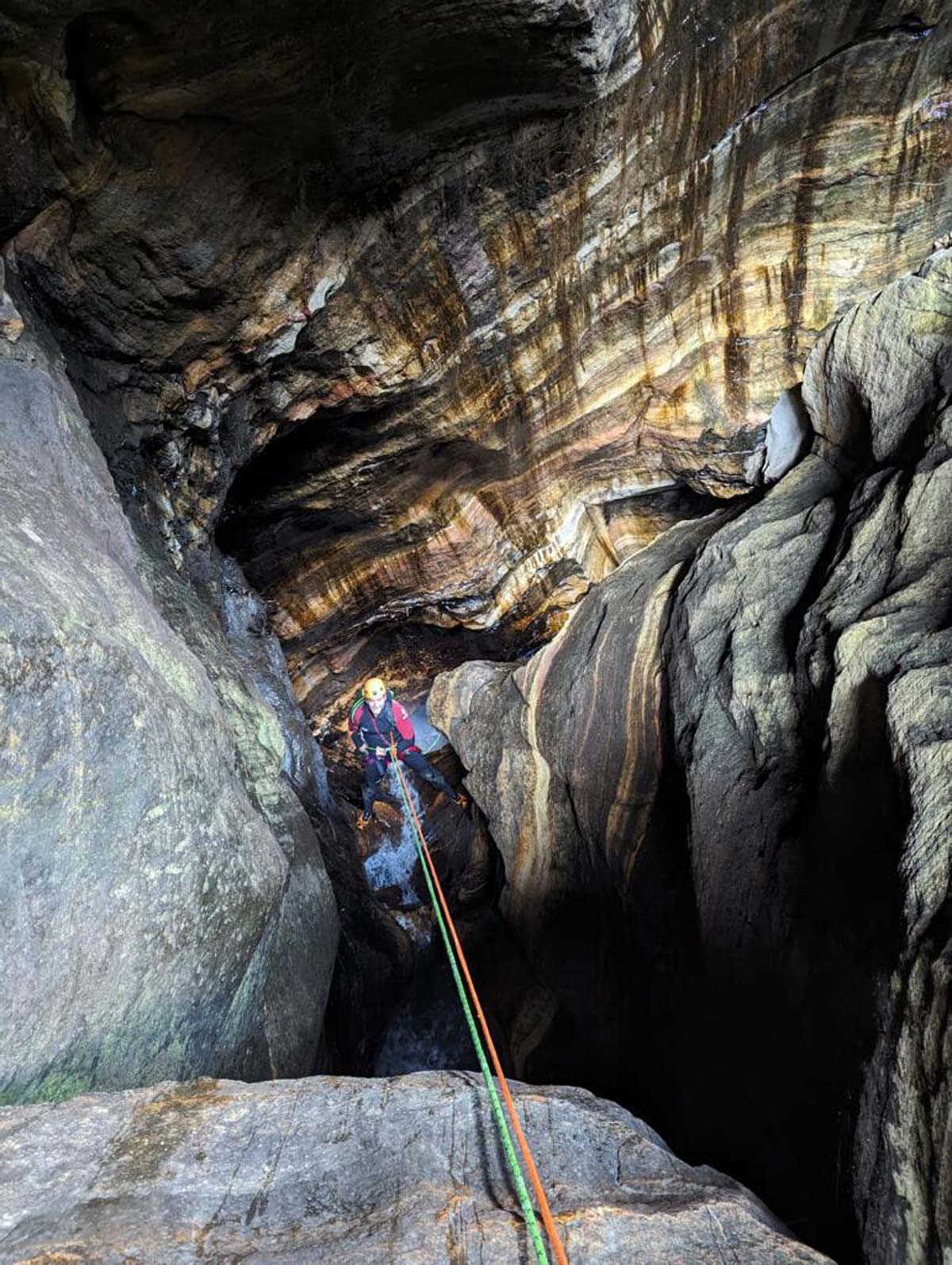
- Comfort with heights: Canyoning can involve rappelling down waterfalls or cliffs, which won’t suit anyone with a real fear of heights. Be honest with yourself about your comfort level before you commit to a canyon that requires it.
- Experience and knowledge: If you’re new to canyoning, learn from experienced guides or get proper training first. They can teach you the techniques and safety procedures you need and help you understand the risks involved. Have a solid grasp of the equipment and techniques before attempting a canyon on your own.
- Safety considerations: Canyoning can be genuinely hazardous, with fast-flowing water, slippery surfaces, falling rocks and changing weather all in play. Follow safety guidelines and take the necessary precautions to manage these risks.
Assess your own abilities honestly, factor in any health or medical conditions, and make an informed call about whether canyoning suits you. If you’re unsure, talk to professionals, guides or instructors who can advise based on your actual circumstances. With proper preparation, training and guidance, canyoning can be genuinely rewarding for people who are physically and mentally prepared for it.
Why use a qualified guide
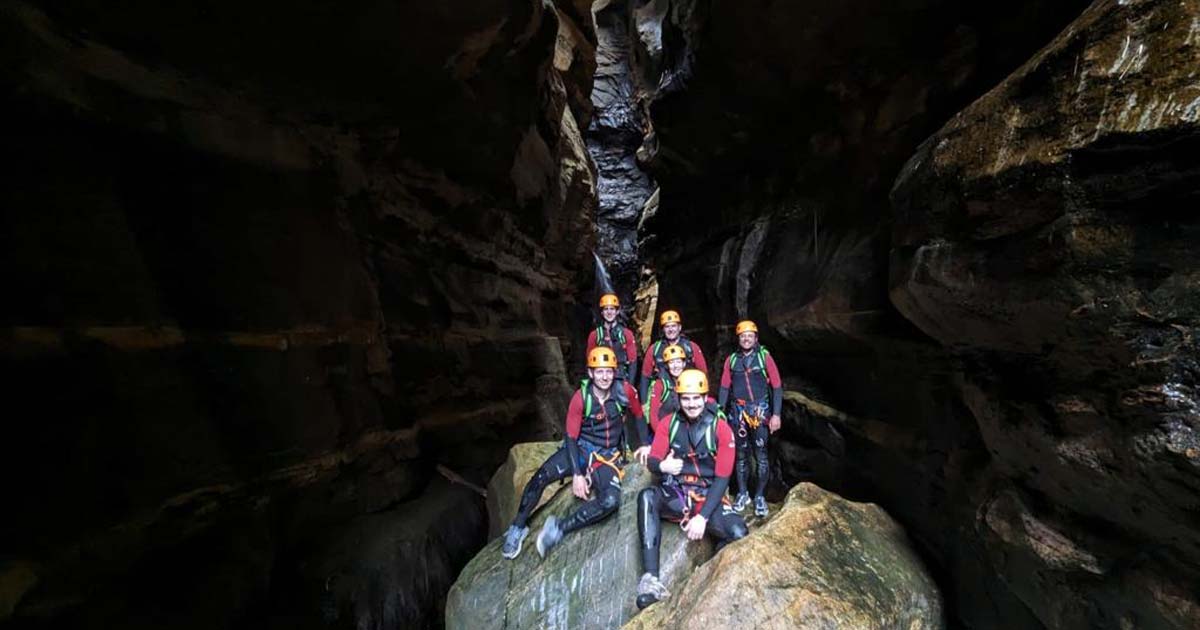
Using a qualified guide is worth doing, especially if you’re new to canyoning or don’t know the specific canyon you’re planning to explore.
- Safety: Canyoning puts you in genuinely hazardous conditions, fast-flowing water, steep cliffs, slippery surfaces, and a qualified guide has the expertise to assess those risks, make the calls that keep you safe, and respond effectively if something goes wrong. They’re trained in rescue techniques for exactly this reason.
- Knowledge and experience: Guides know the canyons in depth: their features, their hazards, the best routes through them. They’re familiar with local regulations and weather patterns, and they can match a canyon to your group’s abilities and preferences.
- Technical skills: Canyoning relies on specialised equipment and techniques: rappelling, rope work, anchor systems. A qualified guide is proficient in all of it, and can instruct, guide and supervise so you’re using the gear properly and safely, which lets you move through the canyon confidently and efficiently.
- Environmental awareness: Responsible canyoning means respecting the environment you’re moving through. Qualified guides work to Leave No Trace principles and can explain why minimising your impact on these fragile ecosystems matters.
- Local insight: Guides usually know canyons that aren’t well publicised or easy to find on your own, and can take you beyond the more heavily visited routes into places you wouldn’t otherwise find.
A good guide tailors the trip to your skill level and keeps safety the priority throughout.
Where to go canyoning in Australia
Australia has plenty of options for canyoning, and the variety runs from lush rainforest to rugged gorge country. A few of the more popular destinations:
- Blue Mountains, New South Wales: A few hours west of Sydney, this region has a range of canyons suited to different skill levels, including Empress Canyon and Grand Canyon, so it works for beginners and experienced canyoneers alike. The Blue Mountains National Park is a UNESCO World Heritage site, with waterfalls scattered throughout it.
- Katoomba, New South Wales: A town in the Blue Mountains and a hub for canyoning, acting as a gateway to canyons including Claustral Canyon, Fortress Canyon and Empress Canyon, with abseiling, swimming through deep pools and working through rock formations.
- Cradle Mountain-Lake St Clair National Park, Tasmania: Canyoning here puts you into Tasmania’s rugged wilderness, with canyons including Dove Canyon and Lost World Canyon.
- Carnarvon Gorge, Queensland: Within Carnarvon National Park, this area offers gorges, rock pools to swim in, and ancient Aboriginal rock art. Moss Garden and Mickey Creek are the popular canyons here.
- Cairns, Queensland: In the World Heritage Wet Tropics Rainforest, with abseils, rock jumps and rockslides at either Crystals or Behana.
- Jatbula Trail, Northern Territory: Located in Nitmiluk National Park near Katherine Gorge, this is a multi-day canyoning trip through ancient gorges, with swimming, camping and waterfalls along the way. It’s a remote experience out in the Australian outback.
- Karijini National Park, Western Australia: A great place to go canyoning, and remote enough that it’s a genuine break from city life. Because of that remoteness, go in prepared, and plan on needing a few days to actually see what the park has to offer.
- Mount Buffalo, Victoria: Four hours’ drive north of Melbourne, with abseiling, rock climbing, rock scrambling and steel wire ladder climbs, which makes it a solid weekend or family trip. The underground river here is a unique experience, and a good one for the hotter months.
This is only a short list, there are plenty more options out there. Check local regulations and weather conditions, and get advice from experienced guides or tour operators when you’re planning a canyoning trip in Australia.
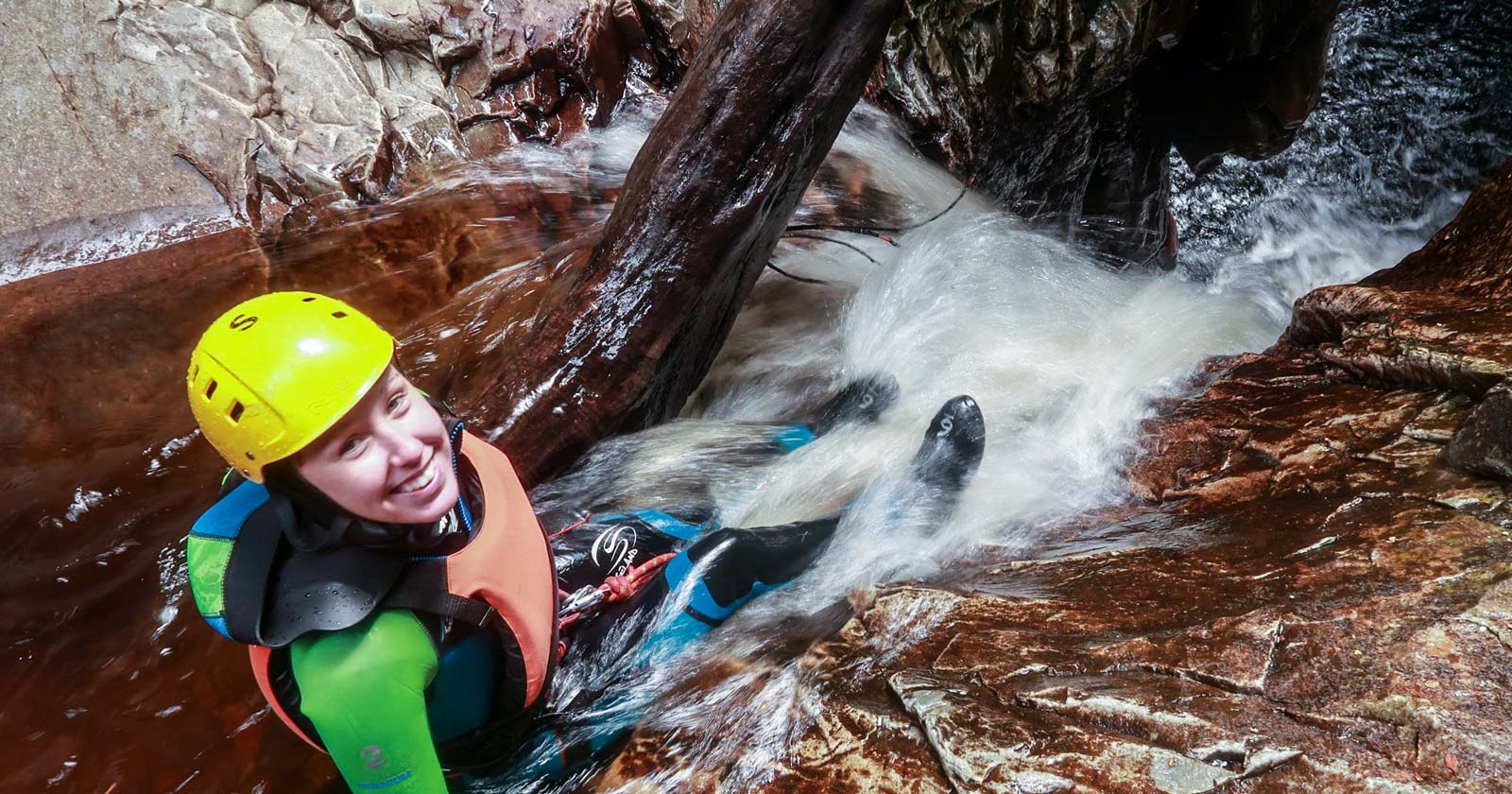
Respecting the places canyoning takes you through matters just as much as the thrill of it. Canyons hold fragile ecosystems, so leave no trace, stick to the established guidelines, and keep your impact on the environment to a minimum as you go.
Main image credit: Empress Falls Canyon – Blue Mountains Adventure Company




The family and I headed to NSW last week for our first canyoning adventure. I’m hooked. It was amazing.
What’s the most thrilling canyoning experience you’ve had, or is there a canyon on your bucket list that you’re keen to explore?
Empress Canyon in Blue Mts – at night. A good sized waterfall is the crux abseil. Waterproof head torch is key!
Darren Hocking ok. That sounds intense. Can’t even imagine doing it at night.
Trail Hiking Australia yeah, when your good mate works as a canyon guide during the day personal time is for more interesting endeavours.
Trail Hiking Australia my #1 fun / beautiful canyon without ropes is Redbank Gorge in West Macs. It had some chimneying / climbing lots of swims (unless last flood left lots of sand) and cold water contrasts desert heat. Three visits and I’ve only made it to the other side once.