Mosquitoes, biting midges and ticks come with the territory on most Australian hikes. Most encounters are irritating rather than dangerous, and only a small proportion carry genuine medical risk, so I don’t try to avoid every bite. That’s not a realistic goal. What I actually aim for is intelligent exposure reduction: reading the habitat, using clothing as a barrier, and treating repellent as backup rather than a first line of defence.
No single product gets you total protection, which is why I think about insect management as a set of habits working together rather than a product to buy.
Why blood-sucking insects find you
Mosquitoes and other biting insects are guided by specific biological signals: carbon dioxide from breathing, body heat, humidity from sweat, and the complex chemical profile of your skin. Because movement through vegetation increases physical contact with ticks, and sitting in damp grass or on rotting logs adds further exposure, where you walk and where you choose to sit both matter before you’ve applied anything at all.
Repellents don’t make you invisible to any of this. They interfere with the insect’s ability to detect or interpret those signals rather than eliminating the signals themselves. Once you understand that distinction, you stop expecting more from a repellent than it can actually deliver.
Habitat and timing come first
The simplest protective strategy, in my experience, is environmental awareness, because timing and location usually do more work than any product you carry. Mosquito activity increases near standing water and during dawn and dusk. Biting midges thrive in coastal and estuarine environments. Ticks favour long grass and low overhanging vegetation, and scrub itch mites are common in damp grassy areas.
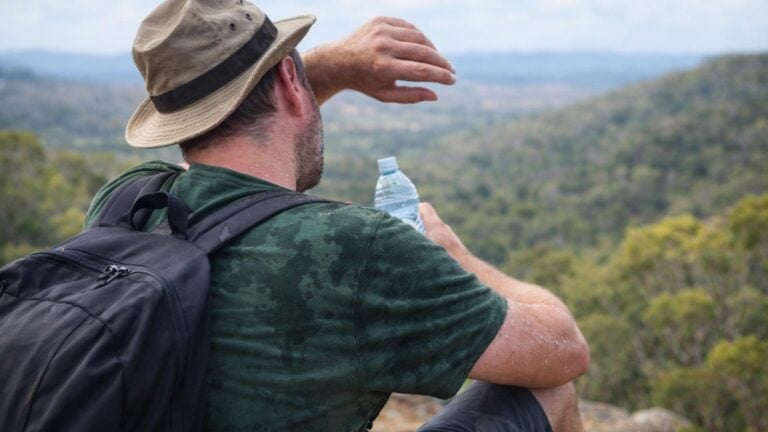
So short breaks in open, breezy locations reduce exposure, and avoiding low branches brushing your head and neck cuts down tick transfer. Where you choose to sit matters more than most people assume.
Trail hygiene follows from this. At major rest stops, especially after moving through long grass or dense scrub, I check exposed skin and clothing, and I use a buddy system, because it’s almost impossible to see a paralysis tick behind your own ears or along your back. Checking each other takes seconds and can prevent serious consequences.
Repellent should complement that awareness, not replace it.
Clothing as your first barrier
Long sleeves, long pants and closed footwear reduce exposed skin, and light-coloured fabrics make ticks easier to spot before they attach. Tightly woven materials protect better than thin stretch fabrics, so in tick-prone regions, tucking your pants into your socks reduces transfer risk significantly. I treat clothing as my primary mechanical defence, because it keeps working even on the days I’ve forgotten to reapply anything.
Repellents: what actually works
Repellents mostly don’t kill insects. They interfere with the cues that guide insects toward you, which is worth keeping in mind when you’re deciding how and when to apply one.
DEET
DEET remains one of the most effective and longest-lasting topical repellents available, though higher concentrations extend duration of protection rather than increasing strength proportionally.
DEET can also dissolve or damage certain plastics and synthetic materials, which for hikers can mean softened watch faces, degraded trekking pole grips, damaged sunglasses coatings and compromised tent fabrics. So I apply it carefully, let it dry fully, and keep it away from gear I’d rather not ruin.
When I’m using sunscreen and DEET together, I apply sunscreen first and let it absorb before applying repellent, because applying repellent first can interfere with the sunscreen’s ability to form a uniform protective film. Some studies suggest that applying DEET over sunscreen may reduce the effective SPF by up to one-third. So the order you layer these in actually matters, not just whether you remember to use them.
Picaridin
Picaridin is widely used in Australia and provides comparable protection to moderate concentrations of DEET, with less odour and minimal impact on plastics and synthetic materials. For many hikers it offers a practical balance between effectiveness and gear compatibility, which is why I’d lean on it for extended trips where repeated application near equipment is unavoidable.
Permethrin
Permethrin isn’t a skin repellent at all. It’s used to treat clothing, and once it’s bonded to fabric it acts as an insecticide, deterring and disabling ticks and other insects on contact.
Many hiking garments and socks are now factory-treated with permethrin, and these treatments are usually more durable than a home spray application, lasting through dozens of washes. In high tick-density regions, that factory treatment can be a genuine protective advantage.
Permethrin should never go on skin, and it needs to be handled responsibly, because it’s toxic to aquatic life.
Plant-based options
Plant-based repellents, including oil of lemon eucalyptus, can offer meaningful protection, but they generally need more frequent reapplication and don’t last as long. “Natural” doesn’t automatically mean safer either. Essential oils can cause irritation or sensitisation in some people.
In low-risk environments, plant-based options are probably adequate. In high-density mosquito or tick country, I’d rather rely on a longer-lasting formulation.
Reapplication and realistic expectations
Sweat, abrasion, swimming and rainfall all reduce repellent effectiveness, so reapplying according to the product instructions matters. Even when you do everything correctly, occasional bites are normal. The goal is reduction, not elimination.
After-bite management
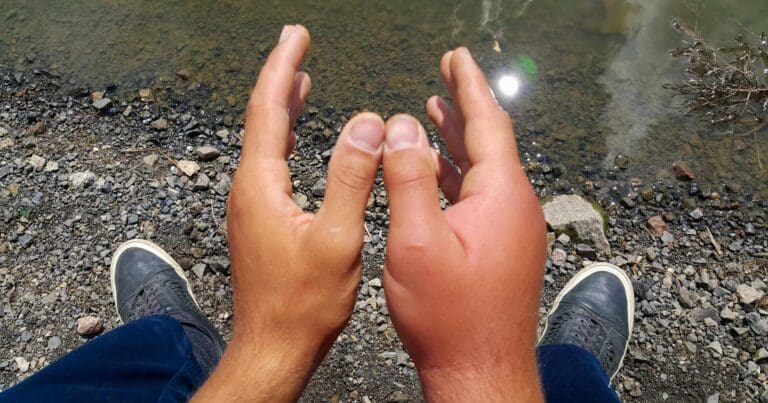
Most mosquito and midge bites just need simple cleaning and symptomatic relief. Cooling the area and avoiding scratching reduces infection risk. Persistent swelling, spreading redness or systemic symptoms are worth a medical review.
Insect protection within your safety system
None of this is only about comfort. Repeated biting disrupts sleep and concentration, and fatigue increases missteps and poor decisions the following day. Tick awareness connects directly to first aid readiness and evacuation planning, and anaphylaxis preparedness ties into your communication and rescue system.
Small irritations can scale into larger safety issues once you combine them with fatigue and environmental stress, which is really the point of thinking about insects as part of a system rather than as a standalone annoyance.
Blood-sucking insects are predictable in their behaviour and habitat, and once you accept that, exposure risk comes down to environment, clothing, repellent choice and hygiene habits working together. I treat clothing as the first barrier, apply proven repellents correctly, protect the gear that DEET can damage, and run regular buddy checks in tick-prone country. None of that makes a hiker bite-free, but it keeps you aware of your exposure, which is the more realistic thing to aim for.