A lot of hikers have a favourite local track they return to again and again, a short climb to a familiar lookout, a loop through nearby bushland, a well-known ridge that’s become part of a regular weekend routine. The first time you walk it, you’re paying close attention. The map gets checked regularly, water gets packed generously, and the terrain gets a degree of genuine caution, because everything’s unfamiliar enough that small details still register as worth thinking about.
After a few more visits, the same walk starts to feel like a different experience entirely. The route’s familiar now, the landmarks recognisable, the effort well understood. The map stays in the pack more often. Water calculations feel less necessary. The day unfolds more casually, because the terrain no longer feels uncertain the way it once did. Nothing about the track has actually changed. What’s shifted is how the risk is being read, and it’s shifted quietly, one repeat visit at a time.
Experience is genuinely one of the most valuable things a hiker can build, and repeated exposure to the same terrain does improve navigation, pacing and environmental awareness. But familiarity also does something less useful alongside that: it changes how risk gets interpreted. Once a route’s been walked many times without incident, the environment starts to feel predictable, and hazards that once got deliberate attention gradually fade into the background of the experience. Loose rock becomes something expected rather than something assessed. Steep sections start to feel routine instead of consequential. Weather changes seem less concerning simply because previous trips ended fine. The terrain feels safer over time even though the actual hazards haven’t moved at all.
This is what normalisation of risk actually is: repeated exposure to a hazard without negative consequences slowly resets what feels normal. Conditions that once felt demanding start to feel ordinary, not because they’ve become less demanding, but because the hiker’s internal baseline has shifted underneath them. On a track walked often, familiar landmarks reduce how much navigation checking feels necessary, known distances make timing feel predictable, and the whole landscape starts to feel controlled and understood. The risk hasn’t disappeared in any of this. It’s just become part of the background rather than something actively tracked.
The real problem with familiar terrain is that it disguises change. A storm might have altered the surface since the last visit. Seasonal heat might be pushing water demand higher than usual. Fatigue levels might genuinely differ from the last time out. The group might be different, changing the pace or the way decisions get made on the day. Because the route itself still feels familiar, all of these shifting factors are easy to miss entirely, since the mind tends to fill gaps in attention with the expectation that things will behave the way they did last time. Familiar terrain can quietly put a hiker on a kind of autopilot, where fewer active checks happen through the day simply because none feel necessary.
Most of the time, none of this actually causes a problem. Familiar trails get walked safely for years without incident. Where it starts to matter is when familiarity happens to coincide with conditions that differ, even slightly, from what’s come before. A hotter day raises dehydration risk. Wet rock changes how a familiar descent actually behaves underfoot. Reduced daylight shortens the margin available for getting back. In each of these, the terrain itself hasn’t become more dangerous. What’s changed is how much attention is actually being paid to it, and that’s usually declined exactly because the terrain feels known.
None of this means familiarity is a liability. Experience is still one of the most useful things a hiker has. What matters is understanding what familiarity actually does to perception: a trail walked many times can start to feel safer purely because it’s known, while the same ground keeps interacting with weather, fatigue and conditions in ways that genuinely shift from one day to the next. Treating a familiar track with roughly the same attention you’d give a new one is what actually preserves the margin experience is supposed to be building in the first place.
The terrain itself never becomes less hazardous with repetition. Repetition just makes the risk feel more normal than it actually is.
This essay is part of the Human Factors in Hiking series, exploring behaviour, awareness and decision-making on the trail. Explore the series →
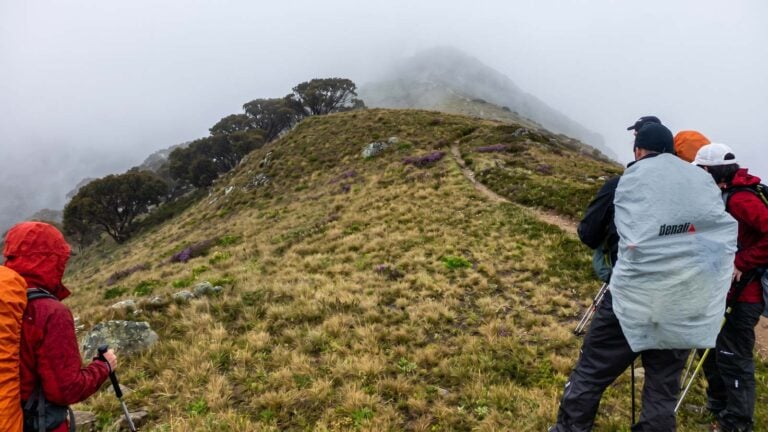




While repeated visits can add nuanced understanding of landscape and potentially minimise risk, I’ve definitely experienced a potential dangerous situation by taking a challenging situation for granted. A mate and I did regular winter XCD trips to Mt Bogong and often ascend up staircase spur, turn right before the summit and head across Hooker Plateau and dig a snow cave near west summit. The north side is all steep so keep the drop on your right and get to destination – but one time in whiteout we came across footprints in the snow. Same as ours. We’d done a full lap of summit with no way to know where we were on the summit and this was before GPS was common. Luckily we had a short break in cloud and could see one feature that enabled reasonable navigation, but it meant much longer than expected in extreme conditions so I was losing energy for digging a shelter and cooking etc. Hypothermia was a big risk. We were ok, but one extra mistake may have made it a lot worse.
Thanks for sharing that Darren. That’s exactly the sort of experience I had in mind when writing this. A route you’ve done many times can feel completely different when the conditions change. it can feel pretty concerning when you come across your own footprints. Glad it ended well