They Start With Something Nobody Noticed
Over the years, I’ve spent a lot of time thinking about how hiking incidents actually develop. Not just the dramatic moment when things visibly go wrong, but the quieter chain of small decisions and pressures that often build long before that point.
This article is an attempt to put some of those observations into words…
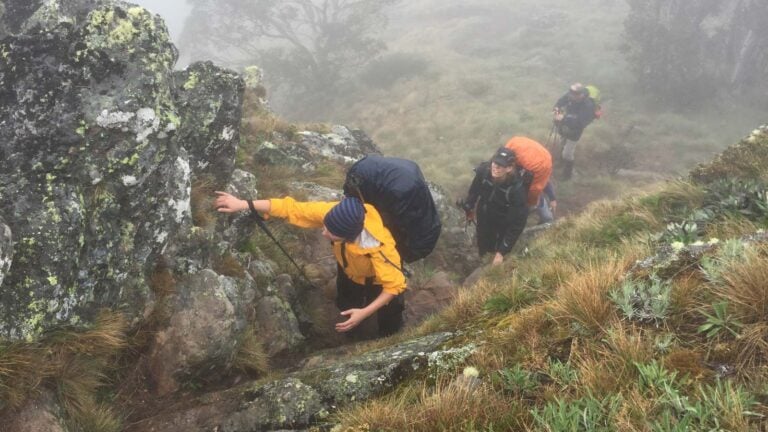
Ask most people what causes a hiking incident and they’ll describe a dramatic moment. A wrong turn in bad weather. A fall on difficult terrain. A sudden change in conditions.
But that’s rarely where incidents begin.
After decades of walking in the Australian bush, and years of involvement in Search and Rescue operations, I’ve come to notice a consistent pattern. Most serious situations develop quietly. Not from a single mistake, but from a small breakdown that goes unmanaged. Something that, on its own, feels entirely manageable. The kind of thing experienced hikers routinely overlook.
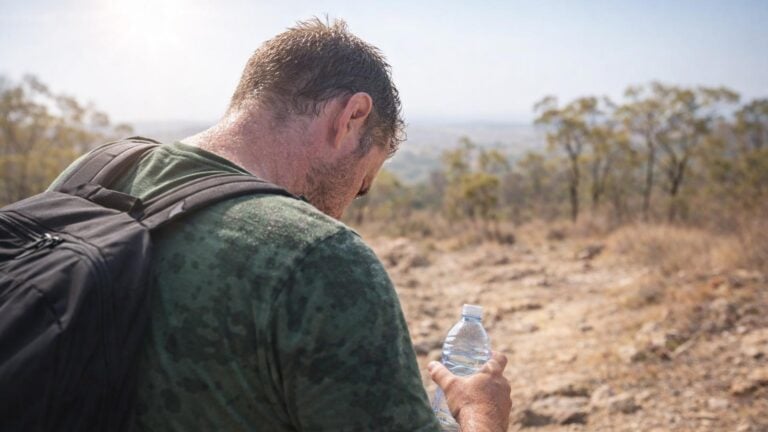
A slight drop in pace that nobody pays attention to. A navigation delay that eats into the schedule. A decision to push on when the sensible call was to reassess.
Small things. Until they aren’t.
The Problem With How We Think About Safety
Most hiking safety advice is built around lists. What to carry. What to know. What to do if something goes wrong.
Lists have value. But they don’t explain why capable, experienced, well-equipped people still end up in trouble.
Over time, I’ve come to believe that we often think about hiking safety as a collection of isolated items rather than as a connected system. We check things off. We confirm we have the gear. We review the route. And we assume that ticking those boxes means we’re prepared.
What that approach misses is how hiking safety actually works in the field: as multiple systems operating simultaneously and constantly influencing one another.
A Different Way of Thinking
The framework approaches bushwalking safety as a set of interconnected systems that constantly influence one another:
- Navigation and Positioning
- Environmental Protection
- Hydration and Fuel
- Injury and Medical Response
- Communication and Rescue
- Load Carrying and Mobility
- Equipment Reliability
- Decision-Making and Judgement
Each one contributes to overall safety. Each one can degrade. And when one weakens, pressure doesn’t simply stay there. It transfers.
A navigation delay creates time pressure. Time pressure drives fatigue. Fatigue narrows judgement. Poor judgement affects how environmental exposure is managed. By the time the situation feels serious, multiple elements are already under strain.
Over time, I started thinking of this as cascading failure. And it’s often the mechanism behind incidents that, in hindsight, seem preventable.
Why This Matters in Practice
Understanding safety as a set of interdependent systems changes how you prepare, how you supervise, and how you intervene.
Before a hike, rather than running through a checklist, you ask: given this terrain, this weather, and this group, which areas are most likely to come under strain today? That question leads to very different preparation decisions.
On the trail, this gives you an early-warning lens. When one area begins to weaken, when pace drops, when someone goes quiet, when a decision gets deferred, you recognise it as a signal, not an inconvenience. You intervene before pressure transfers.
After an incident or a near miss, the framework provides a structured debrief tool. Not what went wrong, but which area showed strain first, and what pressure did that create?
This shift, from isolated thinking to connected thinking, is the practical difference between reacting to problems and managing them before they develop.
Who the Framework Is For
I developed the Hiking Safety Systems Framework primarily for people who carry responsibility for others in the outdoors: outdoor educators, group leaders, Scout and Duke of Edinburgh leaders, bushwalking clubs, and trip coordinators.
But it’s equally relevant for experienced recreational hikers who want a more structured model for their own preparation and decision-making.
The framework gradually emerged from years spent walking, observing incidents, and thinking about why certain situations escalated while others didn’t. It reflects real-world conditions across varied Australian environments, not a sanitised version of them.
A Note on Trust
I’m occasionally asked why people should trust this framework.
It’s a fair question. This framework wasn’t developed in isolation. It emerged from decades of walking in the Australian bush, and from years of Search and Rescue involvement that repeatedly showed me how incidents actually unfold in the field. The framework is an attempt to turn those observations into something structured, practical and shareable.
The Hiking Safety Systems Framework is available as a free download. Version 1.0 covers the full model, including how each system functions, how they interact under pressure, and how to apply systems thinking to planning, supervision, and field judgement.
If you work in outdoor education, lead groups, or simply want a more structured approach to your own hiking safety, I’d encourage you to read it.
Download the Hiking Safety Systems Framework →
This essay is part of the Human Factors in Hiking series, exploring behaviour, awareness and decision-making on the trail. Explore the series →