A Short Drive from the Capital, a World Away from the Everyday
Just 45 minutes south-west of the Canberra CBD, Tidbinbilla Nature Reserve feels like a different world entirely. Tucked into a broad, green valley flanked by the Tidbinbilla and Gibraltar Ranges, this remarkable reserve is one of the ACT’s most treasured natural destinations and, I’d argue, one of the most underrated day-trip experiences in south-east Australia.
With 14 distinct habitat types ranging from sub-alpine woodlands and wetlands to dry eucalypt forests and open grasslands, Tidbinbilla packs extraordinary ecological diversity into a single accessible location. That density of habitat is really the reason the reserve keeps surprising people: whether you’re arriving with walking boots and a full day to spare, or simply looking for a picnic spot where the kids might spot a kangaroo, it consistently delivers far more than visitors expect.
A Place of Deep Cultural Significance
Before a single European set foot in the valley, Tidbinbilla had been home to the Ngunnawal people for tens of thousands of years. The name itself is derived from the Ngunnawal word Jedbinbilla, meaning “where boys become men,” a reflection of the valley’s long history as a place of initiation, ceremony, and cultural gathering.
The Birrigai Rock Shelter, located within the reserve, is one of the oldest known inhabited rock shelters in the world. Archaeological evidence shows occupation stretching back over 25,000 years, to a time when temperatures were 8 to 10 degrees cooler than today and snow blanketed the ground for nearly half the year. That people lived and thrived here through an ice age says something about the depth of connection to this country, and it’s worth holding onto that thought as you walk through the rest of the valley.
Throughout the valley, the Ngunnawal landscape continues to tell its story. The contours of the western slopes reveal the silhouette of a pregnant woman in the hillside, and at the valley’s centre sits a rock formation resembling a perched eagle, the Maliyan, creator spirit of the Tidbinbilla dreaming. Grinding grooves can still be found along the river’s edge, while ancient rock art marks the path toward Gibraltar Peak, a sacred men’s site.
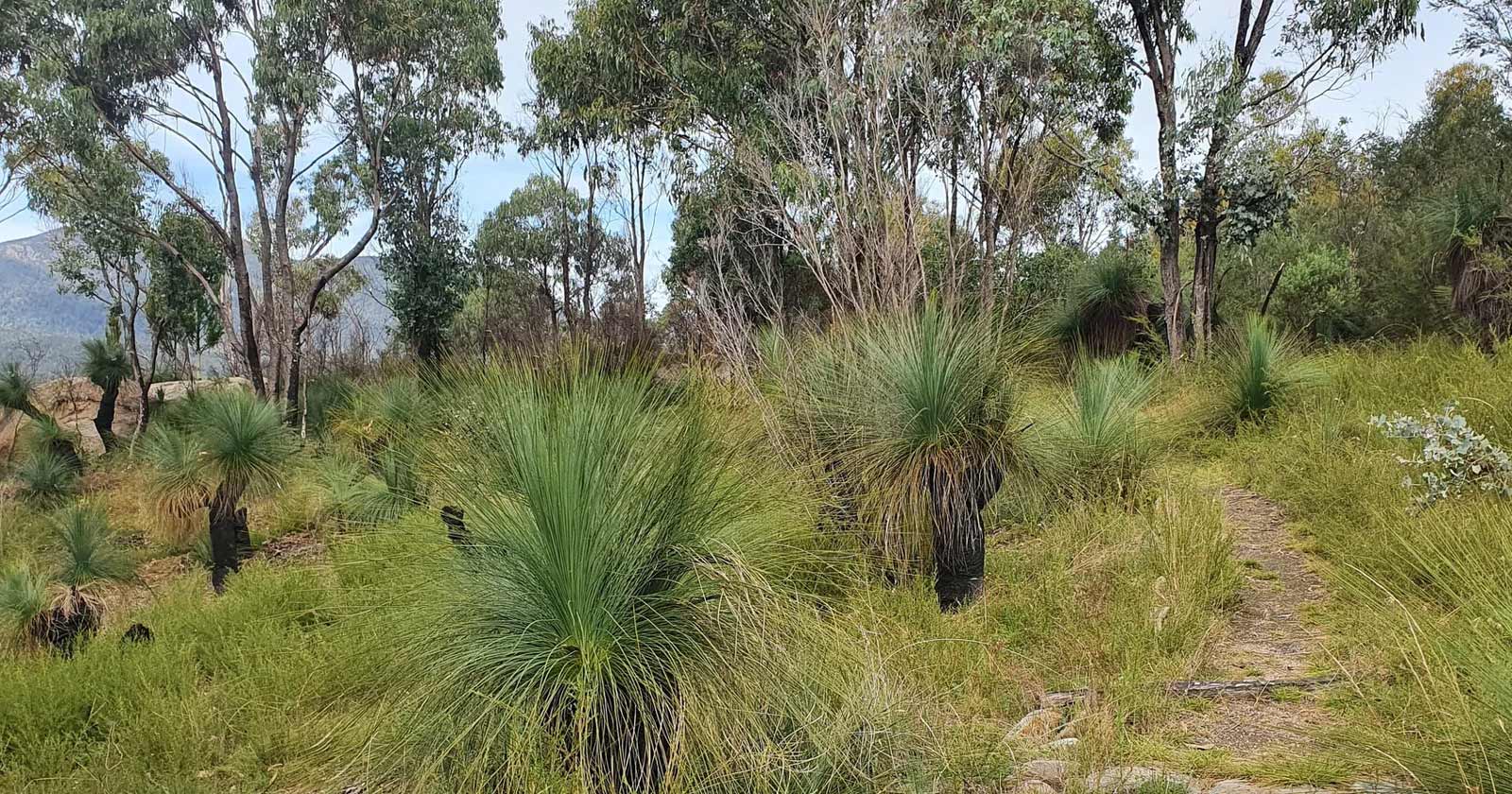
The Ngunnawal people gathered here seasonally to harvest bogong moths from the surrounding peaks, and neighbouring language groups travelled to the valley for ceremony, marriage arrangements, trade, and the sharing of knowledge. That cultural legacy is woven into the walking tracks themselves, which is one of the things I like about this reserve: you’re not just reading a plaque about history, you’re walking the same routes it happened on. The Wandarawari Track (2.2km return, Grade 2) takes its name from the Ngunnawal phrase for “place of warriors” and passes through a magnificent stand of ancient grass trees beneath Gibraltar Peak, with interpretive signage explaining the practice of cultural burning. Walking these trails is not just a nature experience, it is an opportunity to engage with one of the oldest living cultures on earth.
Wildlife Encounters Unlike Anywhere Else
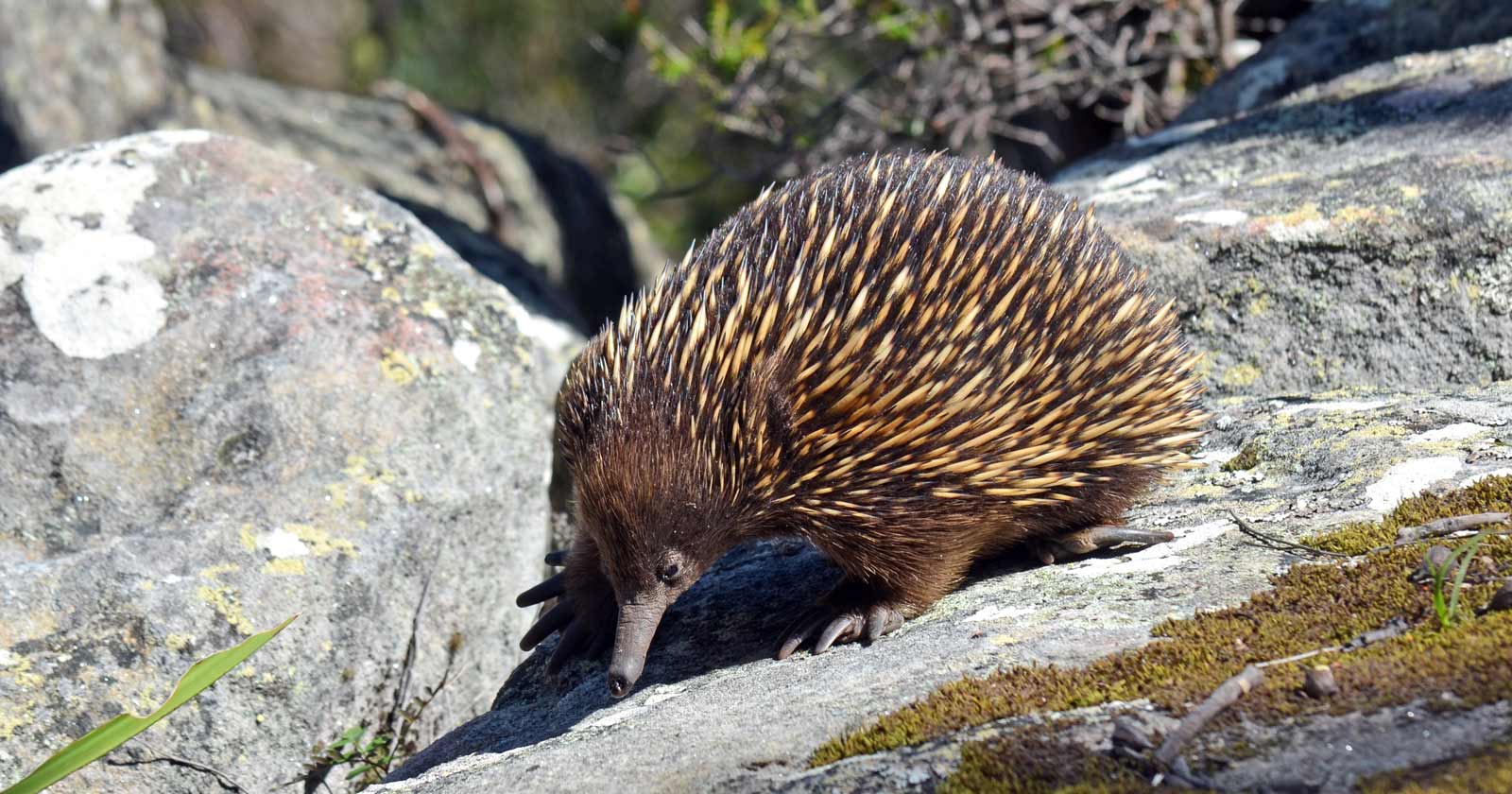
Tidbinbilla is genuinely exceptional when it comes to wildlife, and I think that’s a direct result of the habitat diversity already mentioned. The reserve is home to kangaroos, wallabies, wallaroos, koalas, platypus, potoroos, echidnas, emus, lyrebirds, bandicoots, and an extraordinary diversity of reptiles and birdlife. Fourteen protected habitats within a single reserve creates a mosaic of ecosystems that supports wildlife at every turn, and the proximity to Canberra makes it all the more remarkable.
At the heart of the reserve’s wildlife experience is The Sanctuary, a wheelchair- and stroller-accessible precinct where paved pathways link a series of immersive wildlife exhibits. It is an ideal introduction to the reserve’s ecology and one of the most accessible wildlife experiences in the ACT. For a short walk that rewards with close wildlife sightings, the Peppermint Trail (1.8km loop, Grade 2) winds around the perimeter of the predator-free Eucalypt Forest enclosure, where koalas, wallabies, potoroos, and forest birds can often be spotted in a protected but natural setting.
Beyond passive observation, Tidbinbilla is a nationally significant centre for threatened species conservation and reproductive biology, and this is really where the reserve earns its reputation. It houses the largest captive breeding population of the Critically Endangered Northern Corroboree Frog in Australia, with only hundreds estimated to remain in the wild. More than 2,000 individuals have been released to help boost wild populations, with the program continuing to refine techniques for improving survival rates in the presence of the chytrid fungus that has devastated frog populations globally.
The reserve is also central to the recovery of the Southern Brush-tailed Rock-wallaby, a species that disappeared from the ACT entirely in 1959. Through decades of careful breeding and genetic management, including the pioneering use of cross-fostering techniques, Tidbinbilla has helped bring the population back from the brink. In 2024, the 120-hectare “Jedbinbilla Safe Haven” predator-proof enclosure was completed, now housing at least 100 individuals in a setting where natural behaviours like foraging and mate selection can occur safely. The Barayngu Murawung Walk (1km return, Grade 2), meaning “wallaby’s path” in Ngunnawal, follows a gentle loop through this enclosure and offers one of the best chances in the ACT to catch a glimpse of this threatened species.
Work is also underway for the Critically Endangered Canberra Grassland Earless Dragon, a tiny lizard endemic to the ACT region. A purpose-built breeding facility opened at Tidbinbilla in 2021 and, in its first ten months, produced 30 individuals. The program is a partnership between the ACT Government, Melbourne Zoo, and the University of Canberra. Taken together, these programs are why I think of Tidbinbilla as more than a pretty valley to walk through; it is doing real conservation work you can actually go and see.
Exploring the Trails: Something for Every Walker
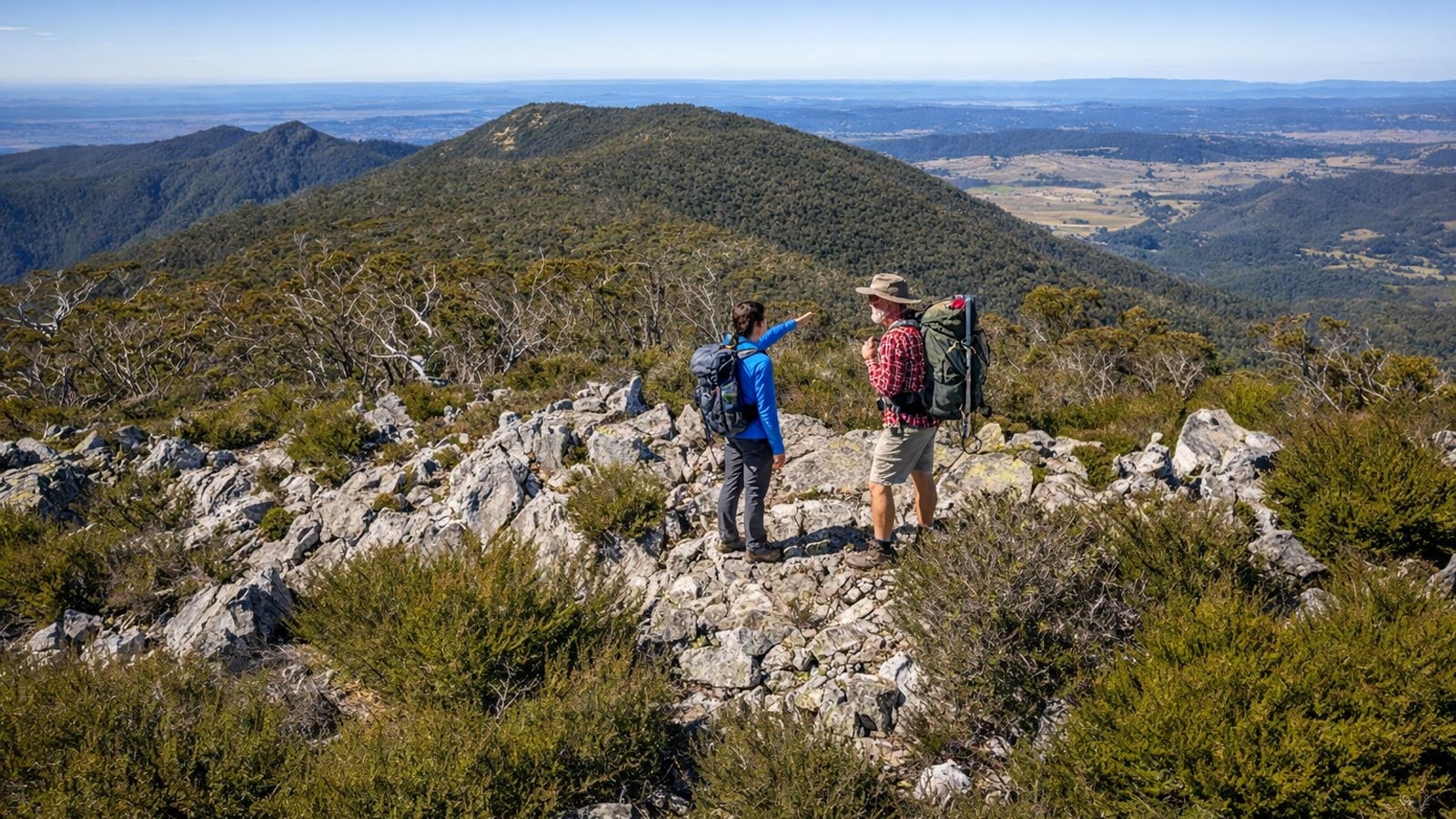
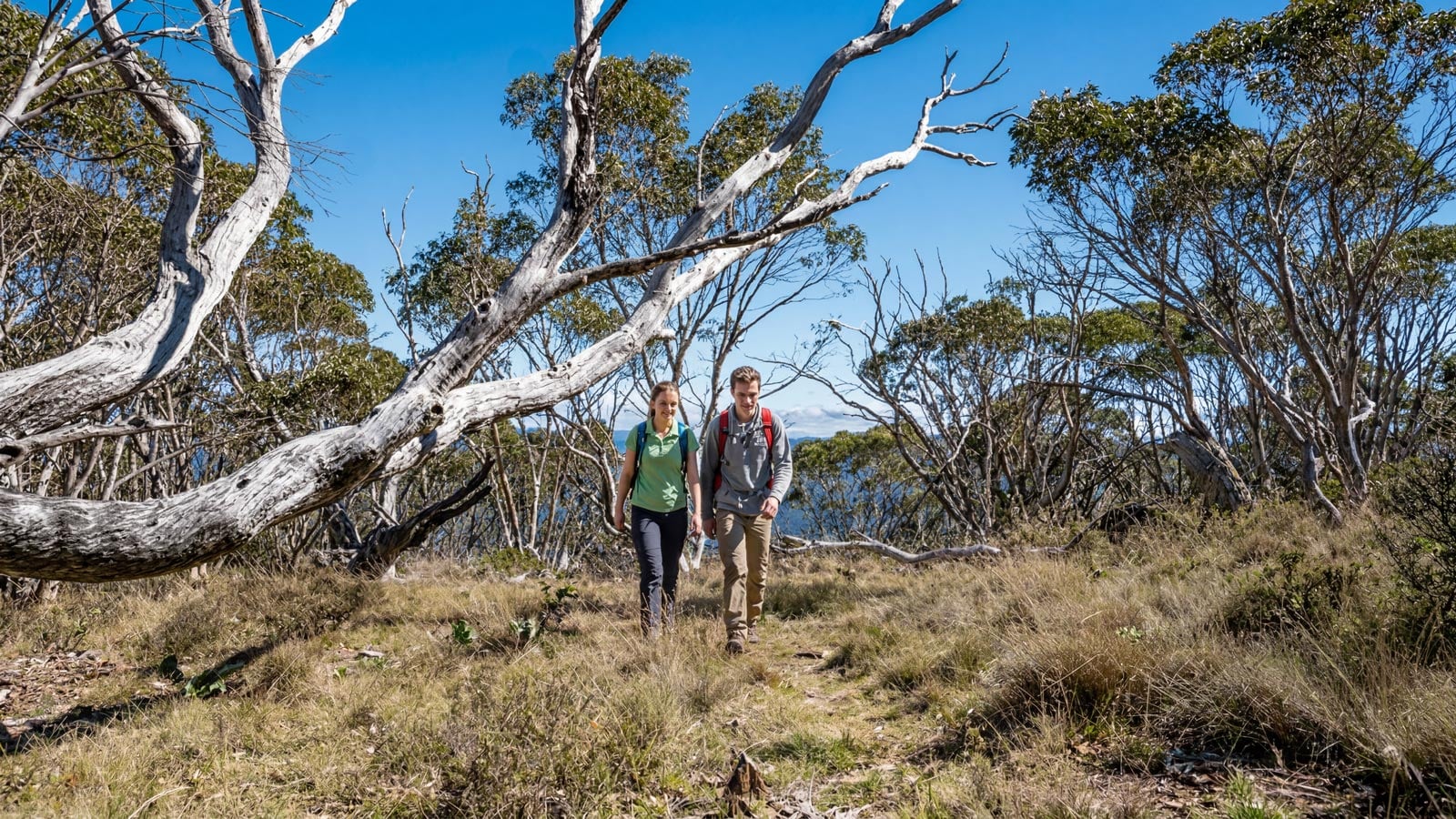
With over 24 marked trails ranging from 15-minute strolls to serious full-day challenges, Tidbinbilla offers one of the most diverse walking menus of any reserve in south-east Australia. The landscape shifts dramatically as you move through the valley, from open grasslands alive with kangaroos, into cool ferny gullies, through towering mountain gum forests, and up into sub-alpine snowgum country on the higher ridgelines, so the trail you choose really does determine what kind of day you get.
Short Walks and Family Favourites
For families or those after a gentle introduction to the reserve, several short walks deliver memorable experiences without demanding significant fitness or prior experience. The Turkey Hill Trail (500m loop, Grade 2) takes just 15 minutes and winds through granite tors rising from open grassland, with panoramic views of the Tidbinbilla Range and kangaroos frequently grazing nearby. The Cascades Trail (2.6km circuit, Grade 3) from Mountain Creek Carpark is another excellent choice, following a shaded forest path through damp gullies with the option to extend to a viewpoint above the main falls, where water tumbles over granite rock.
Both walks sit close to well-equipped picnic areas with free BBQ facilities, making them easy to combine into a relaxed half-day visit with the family.
Mid-Level Walks for Active Visitors
Those seeking a more purposeful outing will find plenty of options in the moderate to hard range. The Gibraltar Peak via Eliza Saddle hike (10.5km return, Grade 4) is arguably the reserve’s most rewarding walk for active visitors, climbing through beautiful single-track terrain past grass trees and varied forest before a steeper push to a summit with some of the most captivating panoramic views in the ACT. It is worth approaching Gibraltar Peak with respect, since the site holds deep cultural significance to the Ngunnawal people as a men’s initiation area, and visitors are asked to stay on designated tracks.
For those drawn to history as much as landscape, the Nil Desperandum hike (14km return, Grade 3) winds through regenerating native forest to a fully restored rammed-earth homestead built in the 1890s, one of the most evocative heritage sites in the reserve. Shorter starting points at Greens or Webbs Picnic Areas can reduce the overall distance for those who prefer a gentler outing.
For Experienced Bushwalkers
Tidbinbilla truly comes into its own for experienced walkers who venture into its higher country. The Mindjagari Track network is a 26-kilometre system of interconnected management trails and walking tracks that thread through the remote high country of the Tidbinbilla Range. Four distinct routes ascend from the valley floor, with several loop options once you reach the ridgeline.
From half-day circuits to a demanding 22-kilometre full traverse gaining nearly 1,400 metres of elevation, the network offers routes to suit a range of experienced walkers. Highlights throughout include the distinctive Pimple rock formation, sweeping views across the Brindabella Ranges and toward Canberra, subalpine wildflowers in summer, and a genuine sense of remoteness rarely found this close to a capital city. All Mindjagari tracks are rated Grade 5 under the Australian Walking Track Standards and are suited only to highly experienced bushwalkers with strong navigation skills and appropriate emergency preparedness. I wouldn’t treat that grading as a formality; this is genuinely serious terrain despite sitting so close to Canberra.
For a full overview of all walking trails at Tidbinbilla, from easy 15-minute loops to challenging ridge traverses, visit the Tidbinbilla trails page on Trail Hiking Australia.
Pioneer Heritage in the Valley
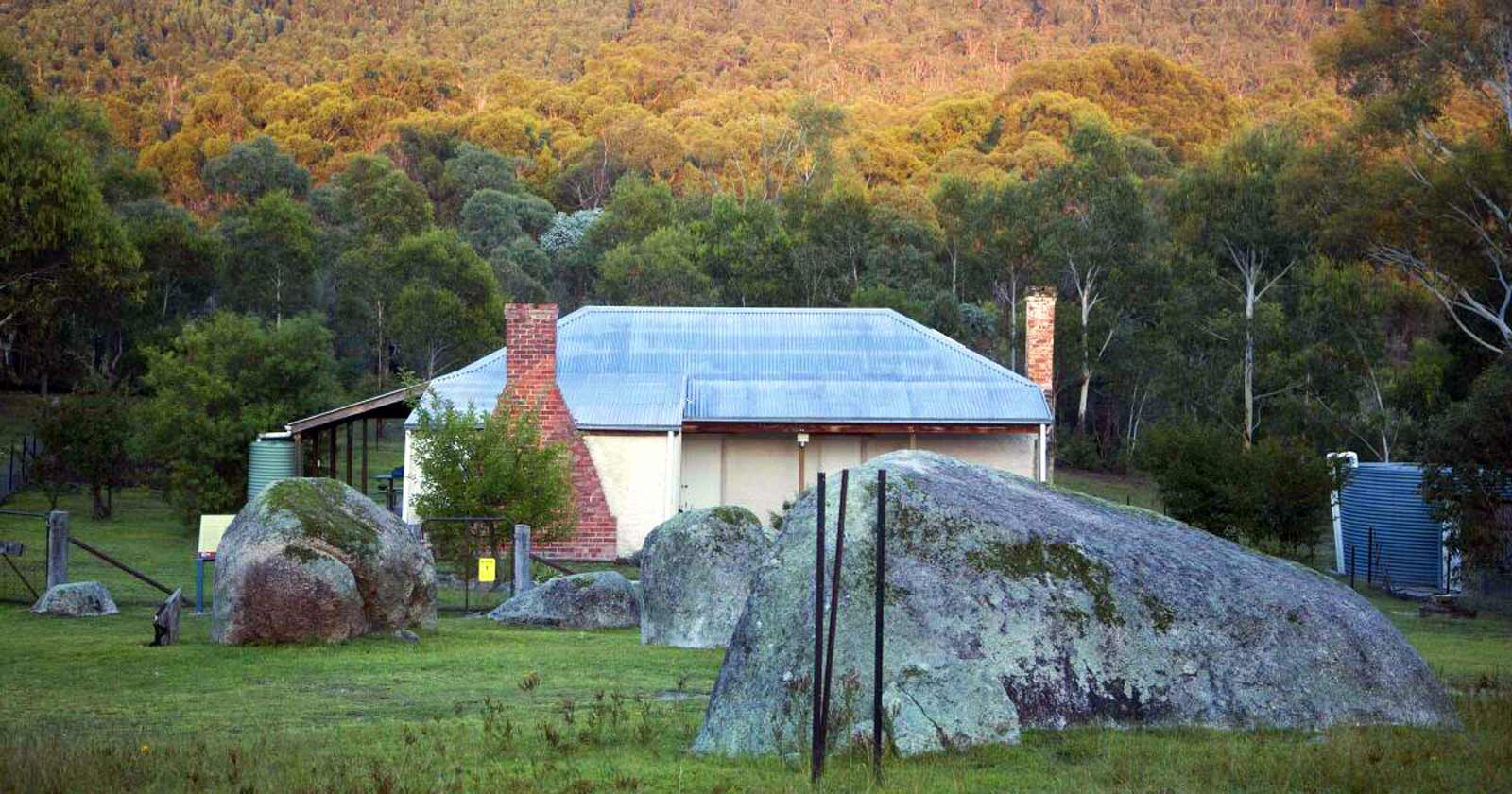
European history adds yet another layer to a place already rich with stories. The Tidbinbilla Valley was farmed from the mid-1800s, and the remnants of several historic properties remain accessible by walking trail. The restored Rock Valley Homestead, built in 1895 from rammed earth, was largely intact until the devastating 2003 Canberra bushfires and has since been partially restored. The Nil Desperandum Homestead is fully restored and available for short-term accommodation, making it a unique base for bushwalking, birdwatching, or stargazing in a valley with remarkably dark skies.
Evidence of eucalyptus oil distillation, century-old farm infrastructure, and pioneer gardens can be found along several trails throughout the valley, offering a tangible connection to the people who worked this land before it became a protected reserve.
Practical Information for Your Visit
Tidbinbilla Nature Reserve is located approximately 40km south-west of central Canberra, accessed via Paddys River Road. The drive takes around 45 minutes by car and is an experience in itself, passing through open farmland and into the forested valley approaches. Fill your tank before leaving Canberra as the nearest petrol station is around 18km from the reserve.
The reserve is open year-round. Summer hours run from 7:30am to 8:00pm, and winter hours from 7:30am to 6:00pm. The reserve is closed on Christmas Day and may close on days of Total Fire Ban or severe weather. Entry fees apply, with both day passes and annual passes available.
The Visitor Centre is open daily from 9am to 5pm and is a worthwhile first stop, with staff and volunteers available to help you plan your visit. Maps and brochures are available outside the centre for those who need them, which is worth noting given that mobile reception is limited throughout much of the reserve. Free Wi-Fi is available at the Visitor Centre.
Facilities throughout the reserve include free gas and electric BBQs, designated fire pits, picnic shelters, a Nature Discovery Playground for children, and accessible paths connecting the Visitor Centre, The Sanctuary, and several key picnic areas. A free heavy-duty wheelchair and an all-terrain TrailRider wheelchair are both available for hire at the Visitor Centre, making wildlife encounters accessible for visitors with limited mobility.
Ranger-guided activities are available for school groups and organisations on Wednesdays outside school holidays, and a dedicated school holiday program runs throughout ACT school holiday periods.
Tidbinbilla Nature Reserve is a destination that rewards every kind of visitor, from families on a weekend escape to serious bushwalkers chasing the high country. It offers rare wildlife in genuinely wild settings, thousands of years of living cultural history, and a trail network that spans the full spectrum from a 15-minute stroll to an epic ridge traverse.
For Canberrans, it is a local treasure that often goes underappreciated. For visitors to the capital, it is frequently the highlight of their trip. Either way, I’d allow more time than you think you will need, because between the wildlife, the conservation programs and the walking options, there’s genuinely more here than a single afternoon can cover. Before you go, browse the Tidbinbilla walking trails on Trail Hiking Australia to plan your route, and visit the official Tidbinbilla Nature Reserve website for current entry fees, opening hours, and visitor information.




Have you explored Tidbinbilla’s trails yet? Which wildlife encounter left you in awe during your visit?