Where Tall Forests Meet a Rugged Southern Coast
Overview
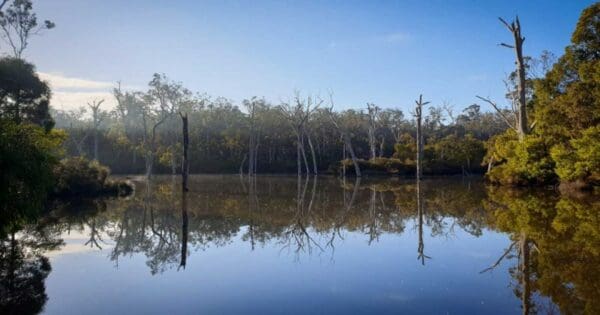
Western Australia’s South West is a broad and varied corner of the state, stretching from forested inland country to a long, wind-shaped coastline on the Southern and Indian oceans. It is the part of WA most closely associated with jarrah and karri forest, granite headlands, river valleys, caves and a strong seasonal shift between wet winters and dry summers.
What makes the region stand out is that these landscapes sit close together. In a relatively short drive you can move from tall eucalypt forest and ferny gullies to exposed capes, limestone ridges and surf-beaten shores. That mix gives the South West a very distinctive feel compared with the rest of the state.
Highlights
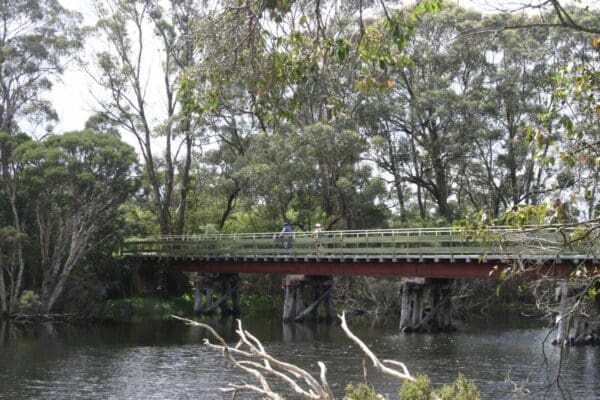
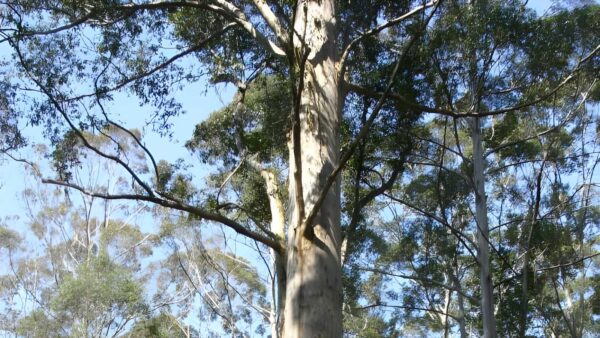
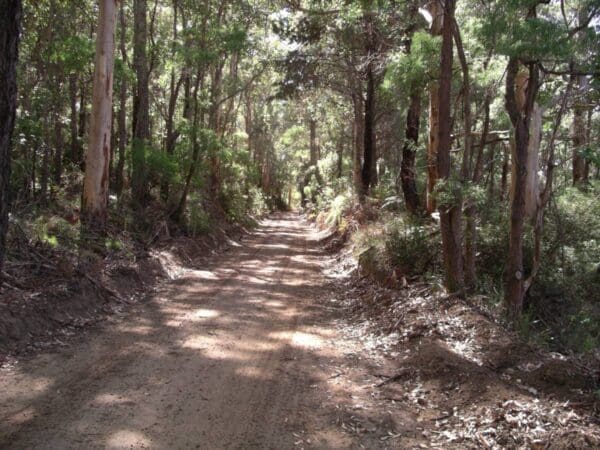
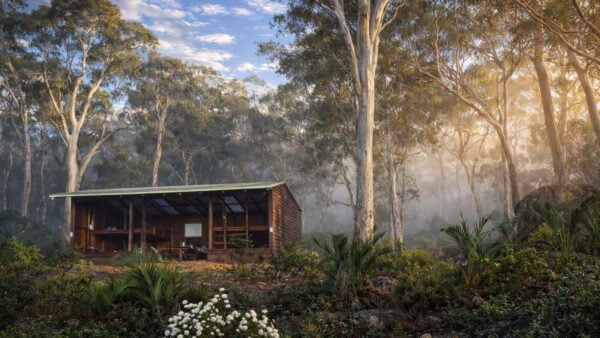
The South West’s natural character comes from contrast. Inland, the forest country is defined by broad jarrah woodlands and the taller karri stands further south, with rolling uplands, stream valleys and a sense of deep shade in the bigger timbered areas. Closer to the coast, the scenery shifts to granite outcrops, limestone formations, sandy bays, reefs and long headlands facing open ocean.
Some of the most memorable scenery in the region is tied to ancient landforms. Much of the broader forest landscape sits on very old geology, and over immense time that has weathered into low rounded granite hills, subdued ridges and nutrient-poor soils that shape the look of the country today. Along the far south-western edge, the meeting of forest, ridge, cave country and sea gives the landscape a sharper, more dramatic finish.
Best Time to Visit
The South West has a Mediterranean climate, with warm to hot dry summers and cool wet winters. For walking, the most comfortable periods are often spring and autumn, when temperatures are milder and the country usually feels greener than it does at the end of summer.
Winter can be excellent if you like moody weather, flowing creeks and full dams, though it is also the season most shaped by rain and cold fronts. Spring is often the standout for wildflowers, fresh forest growth and clearer contrasts between coast and inland country.
Plants and Animals
This region is part of the globally recognised Southwest Australian Floristic Region, and its biological richness is one of the main reasons it feels so different from other parts of Australia. Jarrah and karri are the signature trees, joined by paperbarks, banksias, acacias and grevilleas across different soils and landforms.
The South West is also known for species with long, isolated evolutionary histories. Among the better known are the Albany pitcher plant, honey possum, western swamp tortoise, sunset frog and assassin spiders. The combination of ancient landscapes, long-term climate stability and poor soils has helped produce a flora and fauna assemblage that is unusually distinctive.
Culture and Heritage
The south-west forests are part of Noongar Country, and Noongar cultural values and heritage are an important part of how this country is understood and managed today. Across the wider South West, culture is tied to long-standing relationships with forest, water, plants, animals and seasonal knowledge.