Rocky Headlands, Heath and Coastal Forests at Noosa
Overview
Noosa National Park brings together some of the Sunshine Coast’s most recognisable coastal scenery with a surprising range of inland habitats. Around 160km north of Brisbane, it stretches beyond the well-known headland at Noosa Heads to include country around Lake Weyba, Peregian and Coolum. Across the park you move through eucalypt forest, woodland, melaleuca wetland, wallum heathland and small pockets of rainforest, all packed into a relatively compact part of the coast.
Originally declared in 1939, the park covers about 3,000ha. That matters because this is not an isolated landscape. It sits amid heavily developed coastal areas, so the park now plays an important role as a protected refuge for native plants and animals that have become harder to sustain elsewhere along this stretch of Queensland.
Highlights
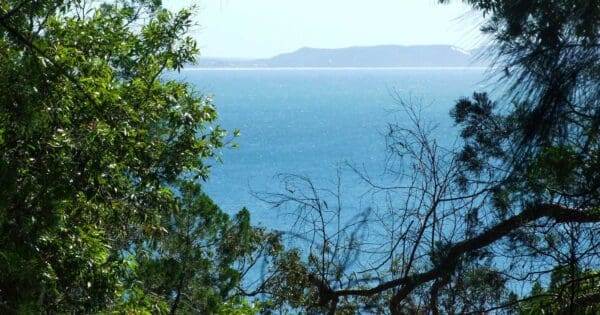
The standout character here is the contrast between rugged shoreline and softer inland country. Noosa Headland is the part most people picture first, with rocky points, sandy bays and long sea views, but the park is broader than that. Lake Weyba adds a quieter side, with heath plains and high dunes, while the southern sections around Peregian and Coolum carry more coastal lowlands and open forest.
There is also an interesting geological mix within the park. Much of the landscape is sandy and coastal, yet Emu Mountain is an unusual rocky knoll of volcanic origin, which gives that part of the park a very different feel from the dune country and headlands nearby.
Best Time to Visit
Noosa National Park is rewarding year-round, but the most appealing seasons often come down to what you want from the landscape. Spring is especially good for seeing the heathlands at their most colourful, when wildflowers are out across the coastal vegetation. Summer brings flowering Christmas bells in some inland areas, while the cooler months are generally more comfortable for longer walks and time spent on exposed headlands.
Because the park sits on the coast, conditions can feel quite different between the breezy headland, the sheltered rainforest pockets and the heath around the lake country. Even within one visit, the place can shift from open ocean scenery to still, sandy bushland.
Plants and Animals
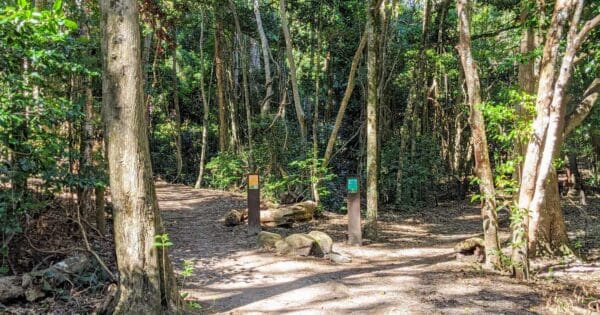
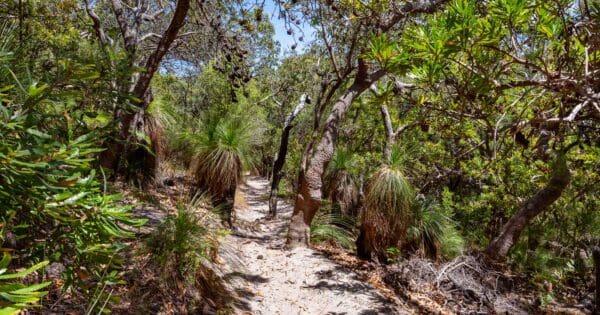
This park protects an unusually varied set of plant communities for an urban-edge coastal reserve. Open woodland and wallum heath cover much of the area, while sheltered sites away from the sea breezes support small rainforest pockets with hoop and kauri pines rising above them. In the wetter low-lying parts, melaleuca wetlands add another layer again.
That habitat variety supports a long list of significant wildlife. Species recorded here include koalas, glossy black-cockatoos, ground parrots, red goshawks and wallum froglets, along with threatened plants such as swamp orchid and Christmas bells. The heathlands are particularly important, both for seasonal wildflower displays and for species that rely on this specialised coastal environment.