Where Lakes, Dunes and Ocean Meet on the Myall Coast
Overview
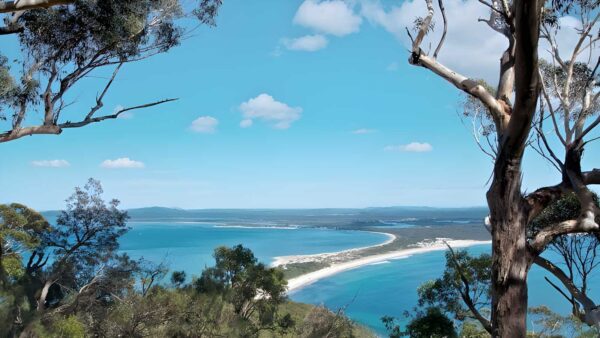
Myall Lakes National Park sits on the NSW north coast, about 50 kilometres north of Newcastle and 30 kilometres south of Forster. It covers a big sweep of coastline, lake country and bushland, with the lake system itself forming the heart of the park. Across Bombah Broadwater, Boolambayte Lake and Myall Lake, there are around 10,000 hectares of waterways, along with beaches, swamps, forest and offshore islands.
What makes this park feel different from many others on the coast is the way freshwater, brackish wetlands, surf beaches and inland bush all sit close together. It is a large, near-natural coastal lake system, and that mix gives the whole area a quieter, more expansive character than a typical beachside park.
Highlights
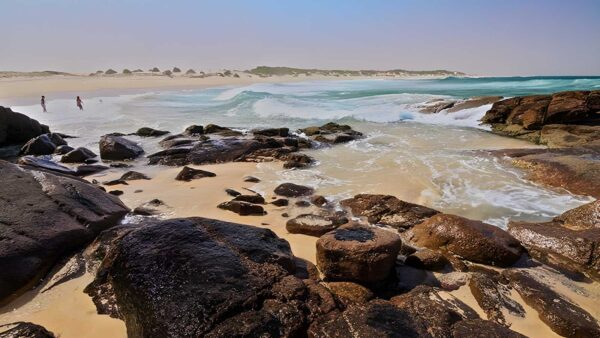
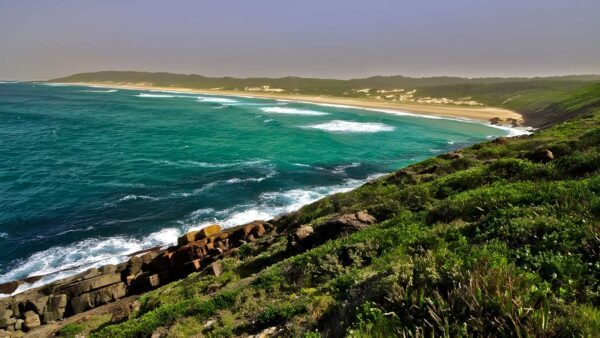
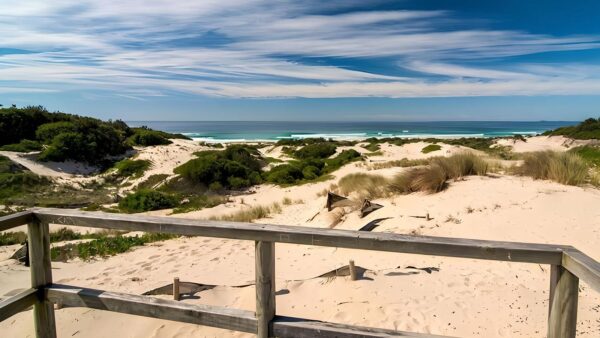
The defining feature here is the broad chain of lakes and wetlands edged by forest, paperbark swamp and sandy shoreline. More than 40 kilometres of beach run along the park, and in places the coast is backed by dunes and headlands rather than development, which gives the scenery a long, open feel.
There is also real variety within the landscape. Some parts are all still water and tea-coloured creeks, while others open onto rocky points, offshore islands and exposed ocean views. Broughton Island lies just offshore, and the park stretches south to Yacaaba and Fame Cove on Port Stephens, adding another layer of coastal scenery to an already varied park.
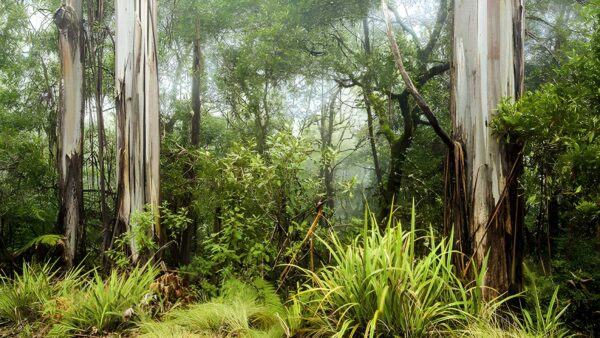
One standout natural feature inland is the Grandis, a flooded gum that reaches 76 metres high and is counted among the tallest trees in New South Wales.
Best Time to Visit
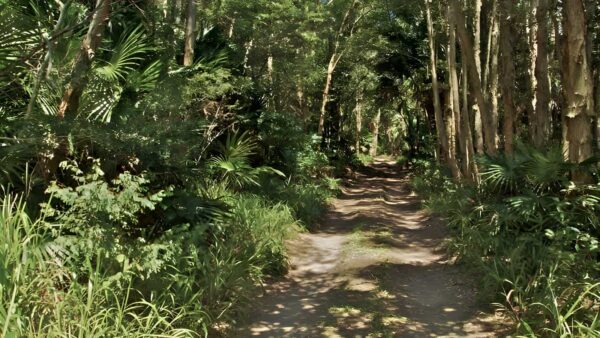
This park works well across much of the year, but the milder months are often the most comfortable for walking, especially if you want to spend time around the lakes, beaches and forest without the heavier heat of summer. Conditions can feel quite different from one part of the park to another, with sheltered lake edges, damp wetlands and open coastal sections each having their own character.
Birdlife is a strong reason to come at different times of year, particularly around the wetlands, which regularly support large numbers of waterbirds and migratory species. If you are more interested in the park’s coastal feel, the warmer months tend to show off the beaches and big open water at their brightest.
Plants and Animals
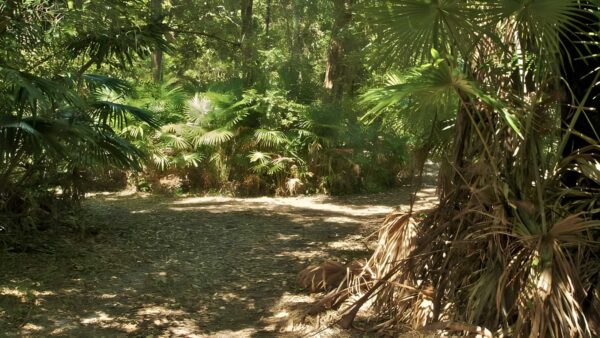
Myall Lakes is known for the richness of its wetland habitats. There are 18 different wetland types across the wider system, including interconnected lakes and rivers, forested wetlands and swamps fringing the waterways, as well as rocky and sandy shores and offshore islands. That range of habitats supports more than 900 plant species and more than 400 animal species.
The wetlands are especially important for birdlife, with substantial numbers of waterbirds and 22 migratory species recorded across the Ramsar site. The park and surrounding wetlands also support threatened species, and the vegetation includes littoral rainforest and coastal vine thickets recognised as a threatened ecological community.
Culture and Heritage
Myall Lakes National Park is part of Worimi Country. The lakes, coast and bush provided freshwater, marine food and plant resources, and there is clear evidence of long occupation across the park, including middens and other culturally significant places.
Dark Point Aboriginal Place, in the southern part of the park, has been significant to Worimi people for at least 4000 years. It is a place connected with ceremony and gathering, and it remains an important part of the cultural identity of local Aboriginal people.