Cliffs, Forest and Sea Along the Murramarang Coast
Overview
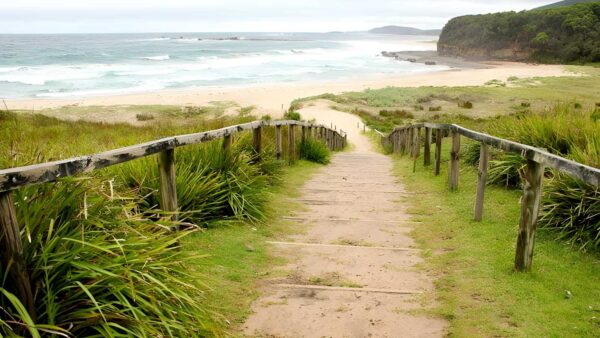
Murramarang National Park stretches along 44 kilometres of the New South Wales south coast, between Ulladulla and Batemans Bay. It is a park shaped by the meeting of forest and ocean, with long beaches, rocky points, offshore islands and the bulk of Durras Mountain rising behind the coast.
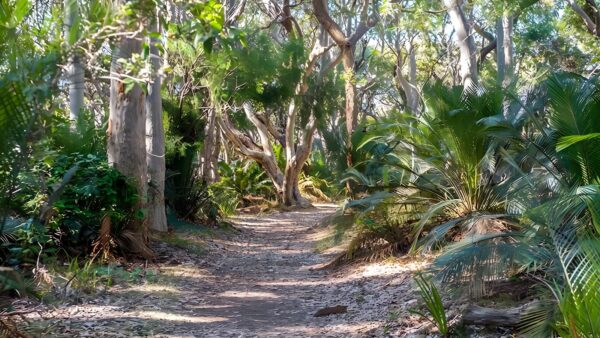
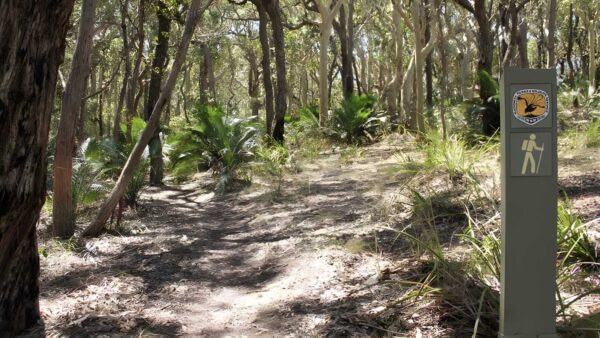
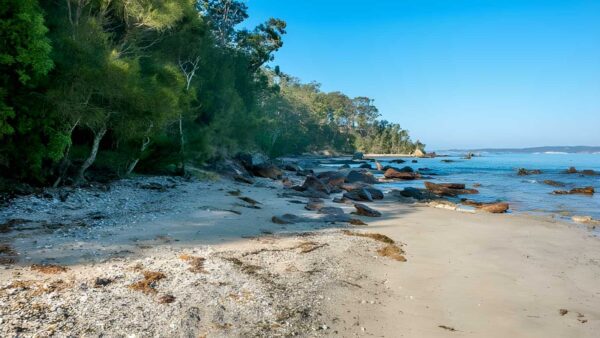
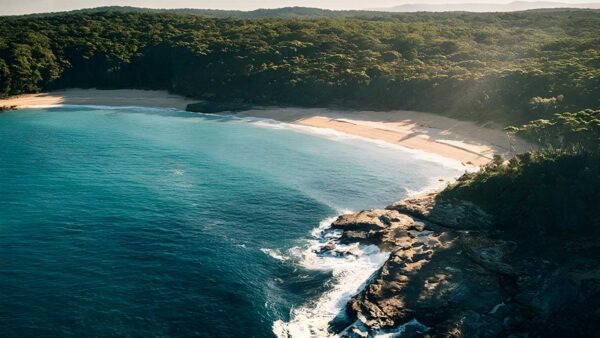
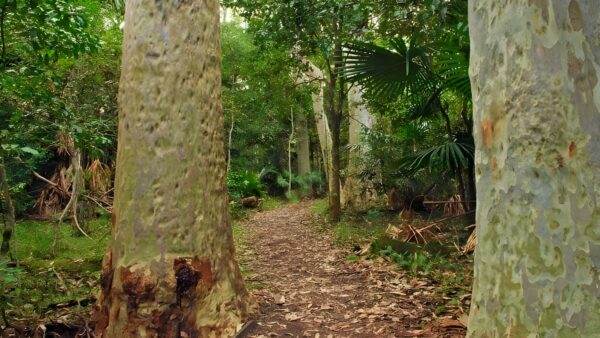
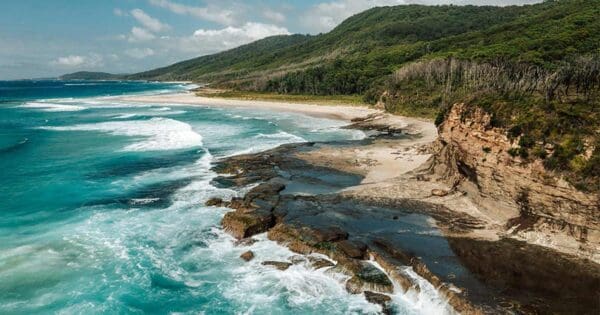
What gives Murramarang its particular character is that the bush comes right down to the sea. Spotted gum forest, moist forest and pockets of rainforest sit close to beaches and headlands, so the scenery shifts quickly from open sand and rock platforms to dense, shaded vegetation.
Highlights
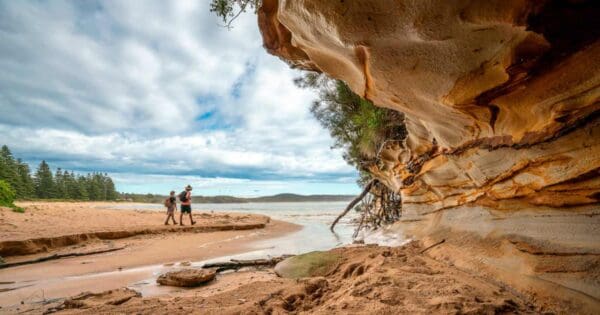
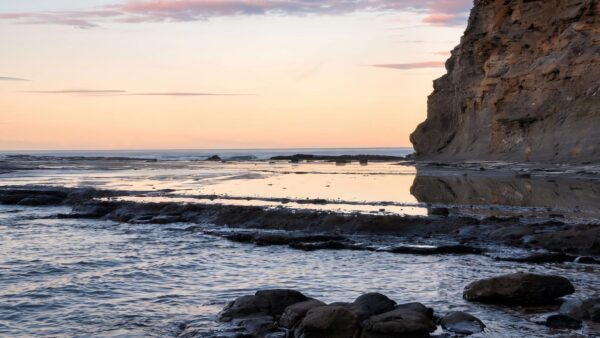
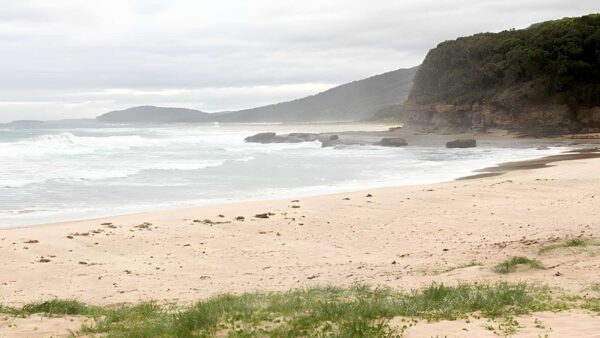
The scenery here is defined by a varied coastline rather than one single landmark. There are regular cliffs and headlands, smooth intertidal rock platforms, caves, islands, sandy beaches and even shingle beaches near Pebbly Beach, all formed in older sedimentary rocks that give this part of the coast a different feel from the bigger sandstone landscapes farther north.
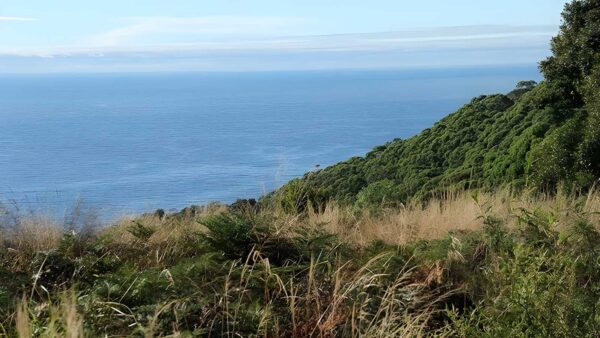
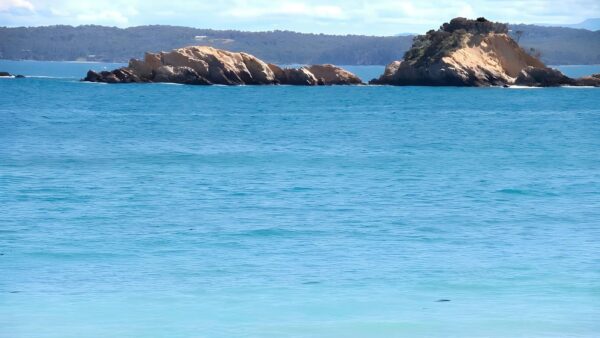
Durras Mountain is the dominant landform, rising to about 300 metres above sea level and giving the park a strong backdrop inland. Offshore, Brush Island and the Tollgate Islands add to the sense of a coast broken into points, coves and rocky outliers rather than one unbroken beachline.
Best Time to Visit
Murramarang works well through the year because its appeal is spread across beaches, headlands and forest. Warmer months suit time by the coast, while the shaded spotted gum forest and rainforest pockets make the park pleasant in cooler weather as well.
If you want the park at its greenest, the contrast between bright coastline and moist forest is especially noticeable after wetter periods. Birdlife is a constant part of the place rather than something limited to one season, so there is usually plenty to notice in the trees, around the lakes and over the water.
Plants and Animals
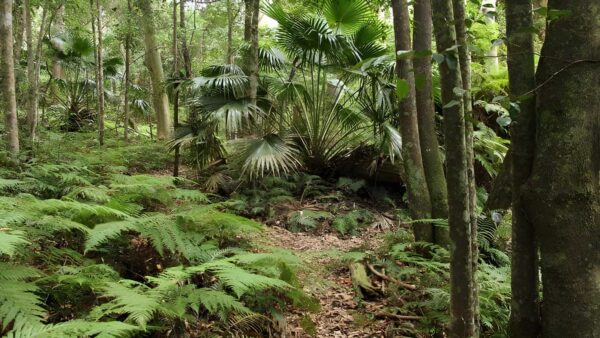
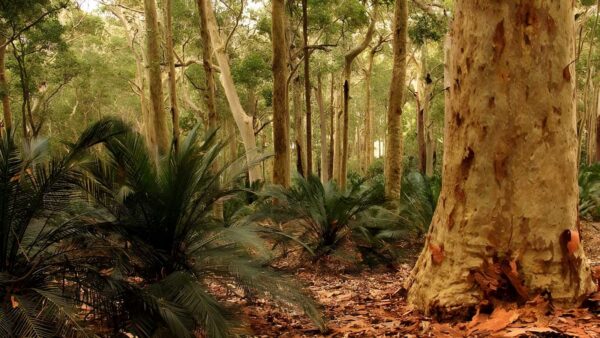
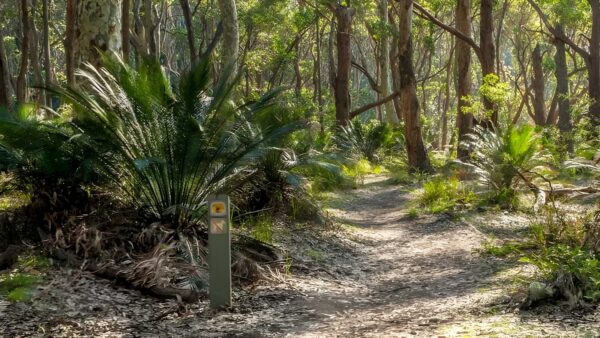
The plant life is one of the park’s standout features. Extensive tall moist forest and rainforest have developed on the steep slopes near the sea, while the most widespread forest type is spotted gum with an understorey that often includes burrawang. In sheltered places that opens into rainforest understorey, and around Depot Beach, Pebbly Beach, Richmond Beach and Oaky Beach there are littoral rainforest pockets close to the shore.
Wildlife is equally varied. More than 90 bird species have been recorded, including wonga pigeons, brush bronzewings, yellow-tailed black cockatoos, superb lyrebirds and brown gerygones. Among the mammals, eastern grey kangaroos are the animal many people notice first, though the park also supports swamp wallabies, gliders and smaller forest mammals. The offshore islands are important for breeding seabirds, which adds another layer to the park’s wildlife story.
Culture and Heritage
Aboriginal people have a long connection with the Country of Murramarang National Park, and that connection continues today. The headlands and beaches hold clear evidence of long occupation, including shell middens, campsites, stone-working areas and signs of a specialised bone-point and fish-hook industry.
More than thirty Aboriginal sites have been recorded within the park and associated reserves. These places are part of a broader coastal cultural landscape where access to the resources of both sea and land shaped everyday life over a long period.