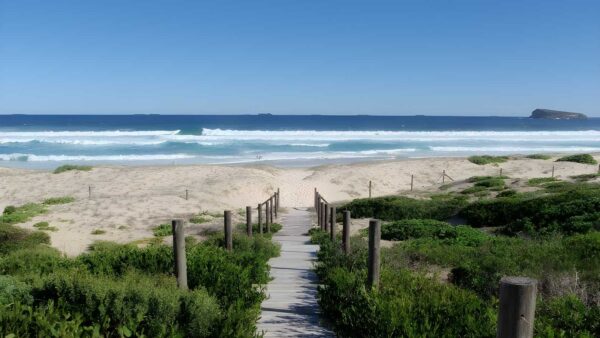
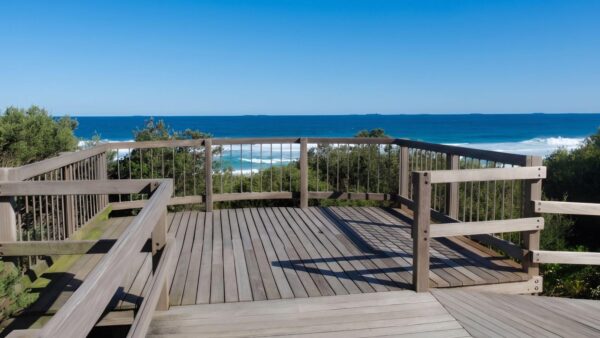
Craggy Headlands, Surf Beaches and Coastal Heath at Munmorah
Overview
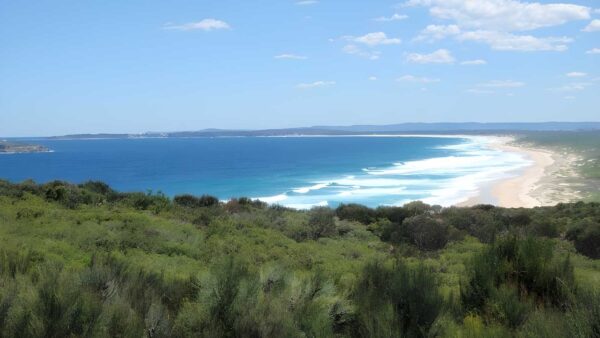
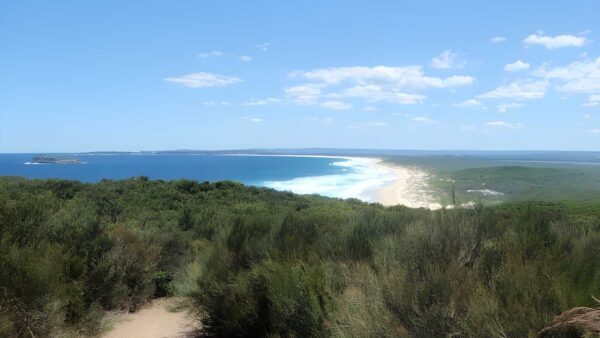
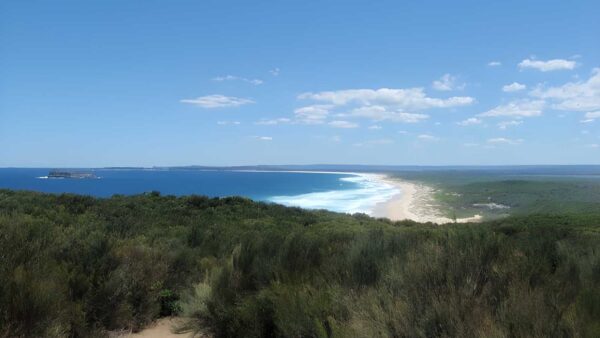
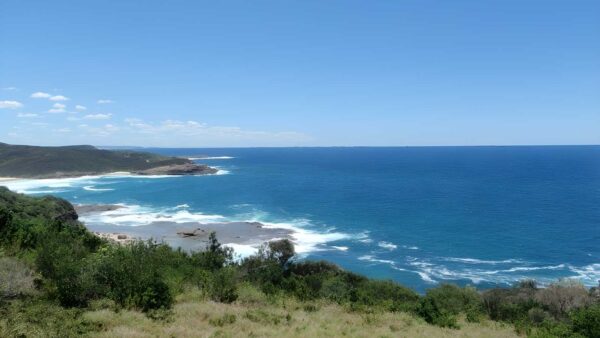
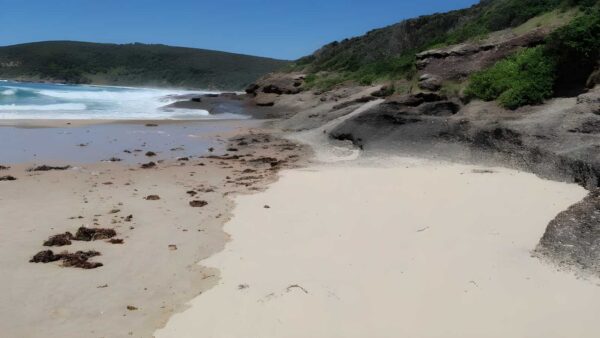
Munmorah State Conservation Area sits on the Central Coast between Budgewoi and Catherine Hill Bay, about 40km north of Gosford. It is a strongly coastal landscape, shaped by ocean beaches, sheltered bays, lake foreshore and a network of creeks that drain either to the Pacific or into Lake Munmorah. The result is a park that feels varied in a fairly compact area, with one section opening onto exposed headlands and rock platforms while another settles into dunes, paperbark-fringed flats and quieter water.
Geologically, this is part of the Sydney Basin, with sedimentary rocks laid down in the Permian and Triassic periods and later sand deposits left from times of higher sea level. That long history shows up clearly in the park’s character, from its conglomerate headlands and rocky coast to the perched dunes that support much of its vegetation.
Highlights
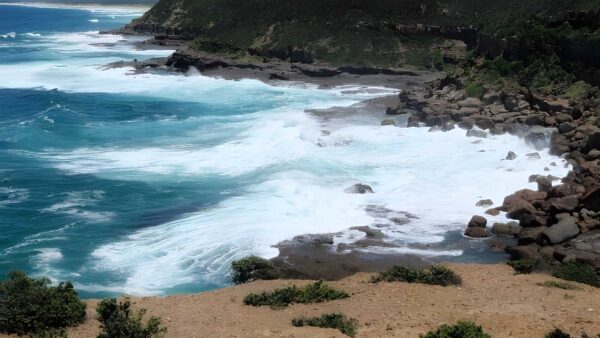
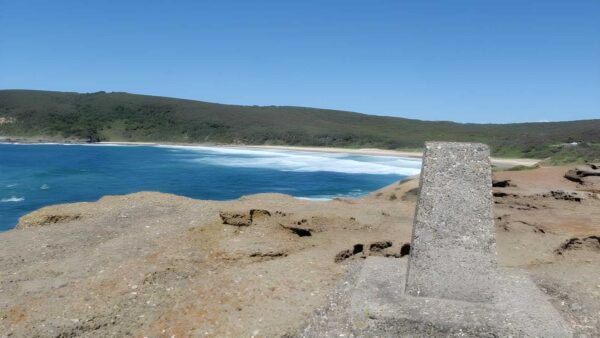
What stands out most at Munmorah is the contrast between rough coastline and softer dune country. There are craggy points, rock platforms and long ocean outlooks, but also calmer pockets around the bays and lake edge. Pink Caves and the Tea Tree lookout area are among the better-known scenic features, and the whole coast has that weathered, open feel that comes from being right on the edge of the Pacific.
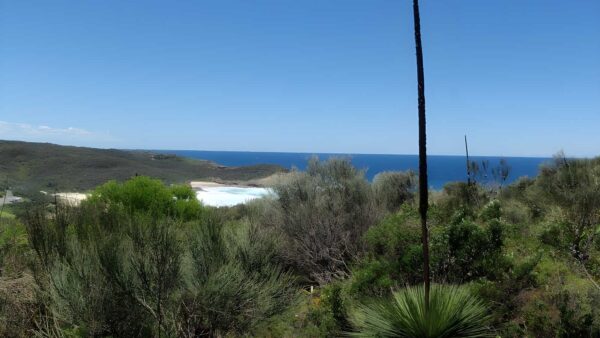
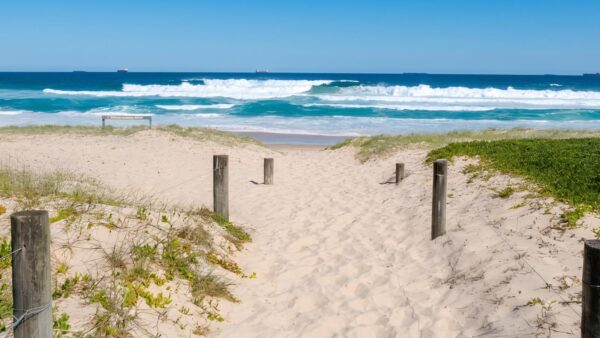
The park’s landforms are just as distinctive as the views. Rolling coastal dunes rise behind the beaches, some with local relief of up to 20 metres, while creek flats and lake foreshore add a gentler side to the landscape. It is a place where exposed headlands, heath-covered sand country and small remnants of littoral rainforest all sit close together.
Best Time to Visit
Munmorah changes noticeably through the year rather than having a single clear season. Cooler months are especially good for broad coastal views and for spotting migrating whales offshore, while the warmer part of the year tends to show the park at its brightest, with the beaches, bays and headlands looking particularly clear in settled weather.
Winter and spring are also rewarding if you are interested in birdlife and flowering heath, especially across the dune country and low coastal vegetation. Even outside the peak seasons, this is a place that suits repeat visits because the coast can feel quite different from one month to the next.
Plants and Animals
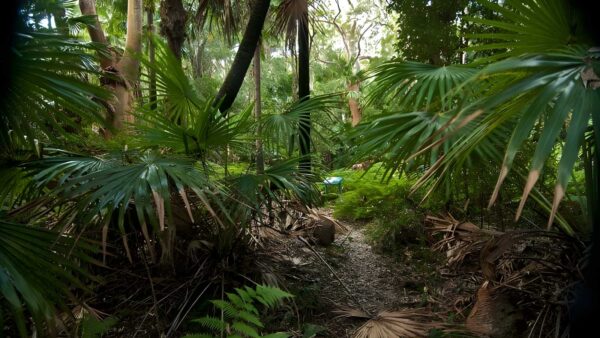
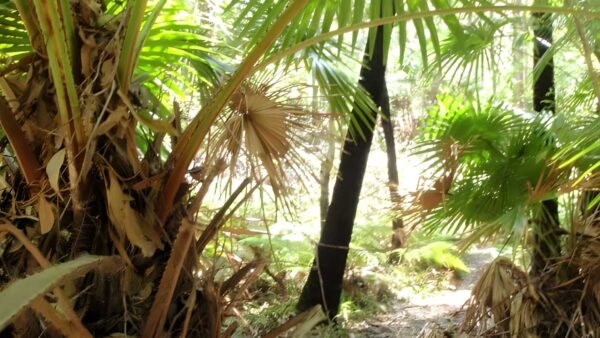
Munmorah has a rich mix of habitats, with about 212 native plant species recorded and ten vegetation communities identified in the park. Much of that diversity comes from the perched dunes and the shift between beach, heath, woodland, swampy scrub and lake-edge vegetation. Red bloodwood, Sydney red gum, cabbage tree palm, swamp oak, paperbark and swamp mahogany all appear in different parts of the park, while small pockets of littoral rainforest survive in a few sheltered sites.
The birdlife is especially strong. Surveys have recorded 150 bird species, with rock platforms and shorelines supporting gulls, terns, herons and migratory waders. The park also provides habitat for species such as the sooty oystercatcher, osprey, white-bellied sea eagle, bar-shouldered dove and southern emu-wren, which lives in the low coastal heaths. Around the lake foreshore and heathland, the variety of plant communities helps support feeding and refuge areas for birds right through the year.
Culture and Heritage
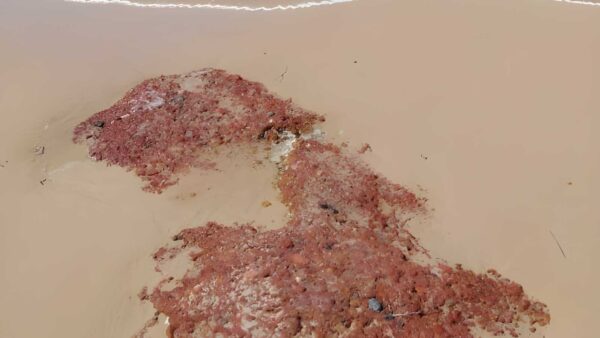
The Awabakal people were the original inhabitants of the Munmorah area. The coast, lakes, swamps and rock platforms provided a wide range of food resources, including shellfish, fish, birds and plant foods, and the area formed part of a broader pattern of seasonal movement and connection along this stretch of coast. The park also contains recorded Aboriginal heritage, including a midden with stone artefacts at Moonee Beach–Flat Rock, and there are reports of ochre deposits at the northern end of Birdie Beach being mined by Aboriginal people.