Sorry, no records were found. Please adjust your search criteria and try again.
Sorry, unable to load the Maps API.
Explore stunning hiking trails of Macquarie Pass National Park
Discover the diverse trails of Macquarie Pass National Park, New South Wales, offering hikes and walks for all skill levels and interests. Find your perfect adventure today.
Discover 2 hiking trails in Macquarie Pass National Park
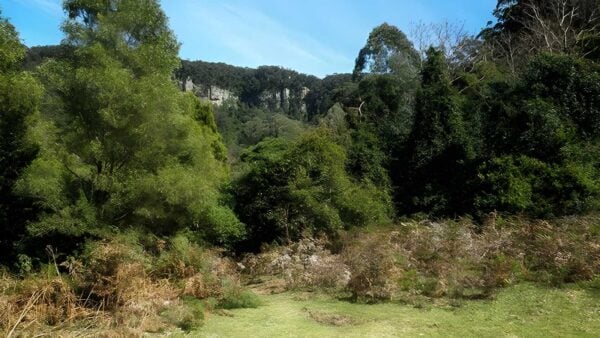

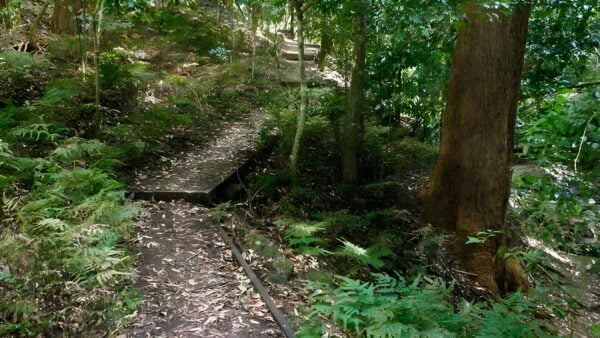

Rainforest and Escarpment Country at Macquarie Pass
Overview
Macquarie Pass National Park sits on the Illawarra escarpment in southern New South Wales, where steep ridges and deeply cut gullies drop away from the plateau edge. It is a relatively compact park, but the terrain gives it a strong sense of enclosure, with cliffs above, creeks below and dense forest holding moisture through much of the year. For walkers, the character of the place comes from that meeting of escarpment landforms, wet forest and running water.
The park is near Wollongong and not far from Robertson, around 8km away, which helps place it geographically, but it feels far more remote than those distances suggest. Much of Macquarie Pass lies below the escarpment itself, and that sheltered position shapes both the scenery and the plant life.
Highlights
The standout feature here is the escarpment country itself. Macquarie Pass is built around steep sandstone ridges and gullies, with streams cutting into the cliffline and forming waterfalls along the way. In places the land opens to views across the coastal plain and out to the ocean, while elsewhere the scenery closes in to mossy rock, creek lines and tall forest.
One of the things that makes the park feel distinctive is the way moisture gathers against the escarpment. Horseshoe-shaped landforms act like scoops for easterly air, helping maintain the cool, damp forests that give the area its lush appearance. Waterfalls, shaded creeks and the contrast between cliff-top geology and sheltered gullies are central to the sense of place.
Best Time to Visit
Macquarie Pass National Park has appeal year-round, but the cooler months are especially good if you prefer comfortable walking weather and active birdlife. Spring brings flowering pittosporum and wattle, while summer is when the rainforest offers welcome shade and Illawarra flame trees and coachwoods are in flower.
Autumn suits longer days out, with lilly pillys fruiting in the park, and winter has its own quieter charm, with early wattles appearing around the forest edge. Rain falls across the year and the escarpment landscape tends to hold moisture, so the park often feels green and fresh regardless of season.
Plants and Animals
This is a park of layered vegetation rather than a single forest type. Heathland, rainforest and tall moist eucalypt forest all occur here, supported by the park’s steep topography and mix of soils and rock types. At medium elevations there are large areas of warm temperate rainforest and mixed warm temperate to subtropical rainforest, with smaller pockets of subtropical rainforest lower down along creeks.
Wildlife is one of the park’s strengths. Superb lyrebirds are part of the moist forest birdlife, alongside species such as satin bowerbirds and topknot pigeons. Koalas, possums, wombats, swamp wallabies and goannas are also recorded here, and the park is important habitat for species that depend on moist forest and rainforest, including platypus, tiger quolls and long-nosed potoroos.
Find more places to explore…
Help expand the trail collection!
Know of an official trail not listed on Trail Hiking Australia? I’m focused on showcasing the best tracks managed by land managers, and I’d love your help! Sharing a trail adds to our community and helps others discover safe, new adventures.
Submit your trail here

