Australia’s highest country, from alpine peaks to glacial lakes
Overview
Kosciuszko National Park covers 673,542 hectares in southern New South Wales and forms part of the Australian Alps, a linked mountain landscape that stretches across state borders. It is the largest national park in NSW, and its scale shows in the way the country changes from high alpine ridgelines and snow grass plains to forest, woodland, river valleys and limestone country.
This is the heart of mainland Australia’s highest terrain. The park holds the country’s highest mountains, its main seasonally snow-covered region, and major water catchments that feed inland river systems. Around Jindabyne and the upper Snowy Mountains, the landscape feels distinctly alpine in a way that is rare on the mainland.
Highlights
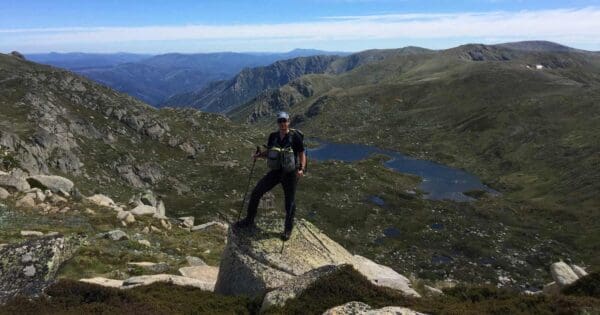
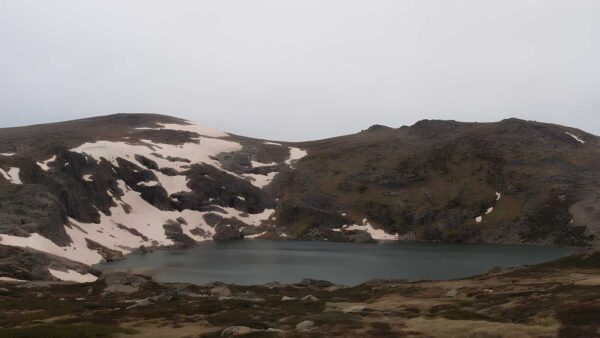
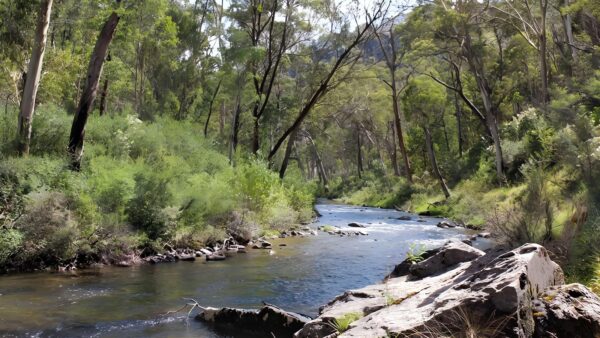
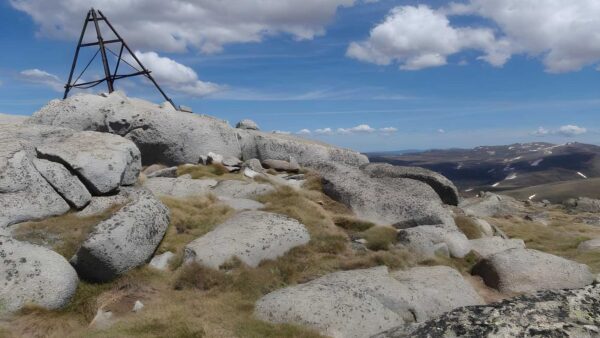
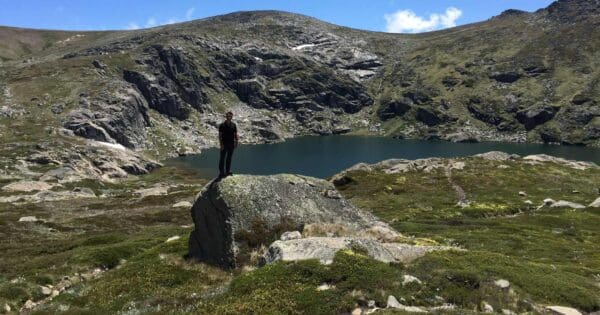
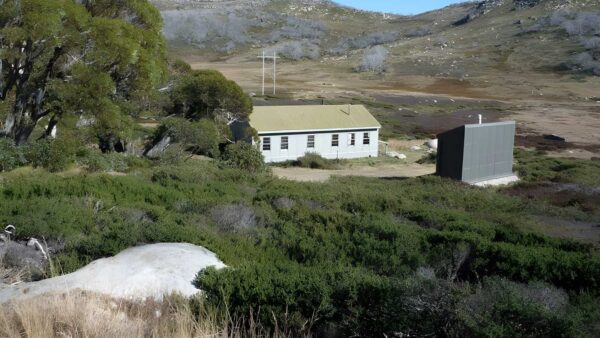
What sets Kosciuszko apart is the shape of the country itself. Rounded high plains give way to steep river valleys, with glacial landforms adding another layer to the scenery. In the higher parts of the park, lakes, frost hollows and open alpine ground create a very different feel from the eucalypt forests lower down.
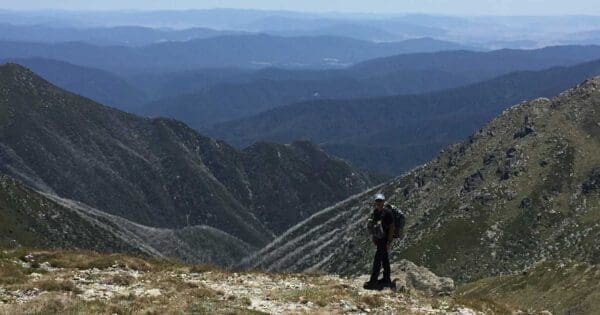
The park is also known for its variety. Along with the high peaks, there are limestone areas with cave systems, broad mountain catchments, and long views across the Snowy Mountains. Even without focusing on any one walk, it is a place defined by big landforms and strong contrasts between exposed uplands and sheltered valleys.
Best Time to Visit
Kosciuszko changes sharply with the seasons. Summer and early autumn are usually the best times to appreciate the alpine landscape in full, when snow has retreated from the higher country and the open plains, glacial lakes and mountain lookouts are easiest to take in. This is also when alpine wildflowers are most noticeable.
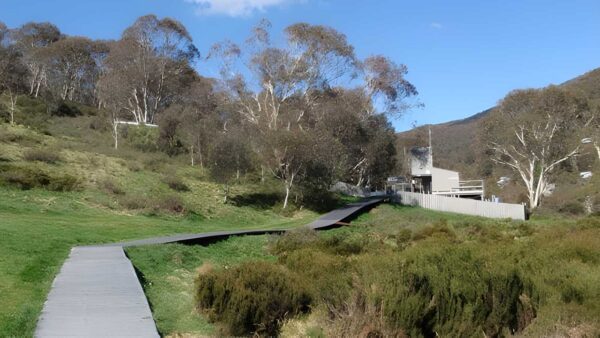
Winter brings the snow season that many people associate with the park, giving the upper country a completely different character. Outside the highest elevations, spring and autumn can be especially appealing for clearer air, changing colour in the deciduous plantings around the high country villages, and a quieter feel across the broader mountain landscape.
Plants and Animals
Kosciuszko protects unusual alpine and subalpine plant communities, including peatlands, sphagnum bogs and fens that sit along drainage lines, seepages and high wet flats. These wetlands are a key part of the park’s ecology, while the forests and woodlands lower down add another layer of habitat across a huge elevational range.
The park supports a remarkable mix of native species, including animals found only in this part of the country. Among the best known are the mountain pygmy-possum, the southern corroboree frog, the Guthega skink and the alpine she-oak skink. The southern corroboree frog is especially closely tied to the high country, breeding around pools and seepages in sphagnum bogs, wet tussock grasslands and wet heath.
Plant life is just as varied. More than 1,100 plant species have been recorded in the park, reflecting everything from alpine herbfields and heath to extensive forest and woodland communities.