Sorry, no records were found. Please adjust your search criteria and try again.
Sorry, unable to load the Maps API.
Explore stunning hiking trails of Conway National Park
Discover the diverse trails of Conway National Park, Queensland, offering hikes and walks for all skill levels and interests. Find your perfect adventure today.
Discover 7 hiking trails in Conway National Park
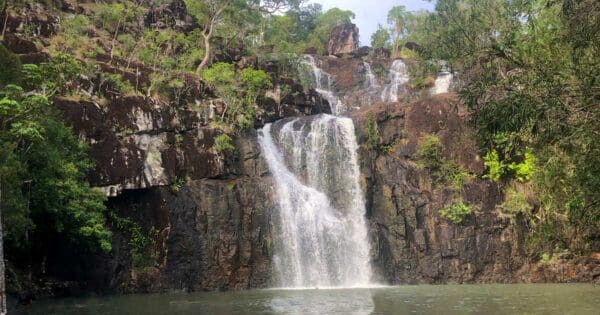
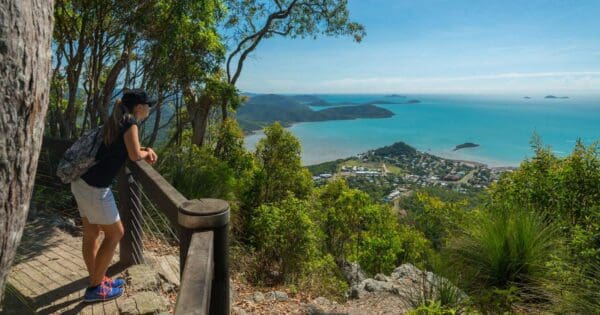

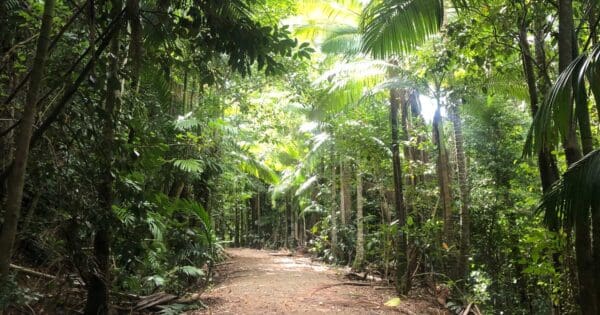


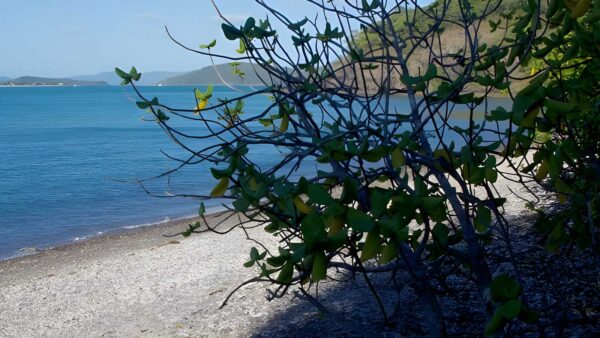


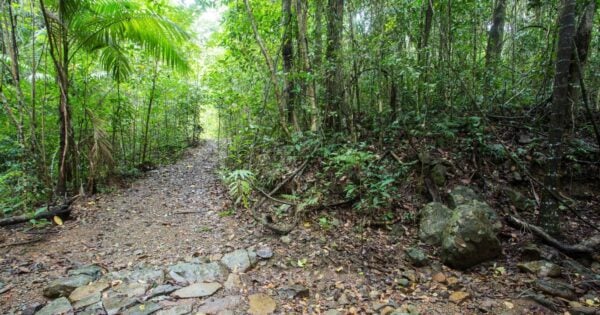
Rainforest Ridges Above the Whitsunday Coast
Overview
Conway National Park sits on the mainland edge of the Whitsundays, between Proserpine, Airlie Beach and Shute Harbour. It covers the whole Cape Conway peninsula and follows roughly 75km of coastline, with the Conway Range rising sharply behind the coast. This is a large park by local standards, with a rugged, heavily forested interior that still feels remote despite being close to some of Queensland’s busiest holiday towns.
What makes the park stand out is the mix of steep coastal country and substantial lowland rainforest. The Conway Range protects the largest area of lowland tropical rainforest in Queensland outside Tropical North Queensland, and that gives the park a very different character from the beaches and islands most people associate with the Whitsundays. The same slopes, creeks and ridgelines also form an important reef catchment feeding the coast below.
Highlights
The scenery here is shaped by bold relief. Steep, rocky slopes rise straight from the coast, and long cliff lines create a dramatic backdrop to the Whitsunday Passage and islands. The park’s volcanic history is still visible in its landforms, with rhyolite and other acidic volcanic rocks helping create the rugged ridges, shallow stony soils and abrupt headlands that define the area.
There is also a strong contrast between the dense upland forest and the coast. Along the shoreline and lower country, mangroves, beaches, sheltered bays and deeply cut inlets give the park a varied edge, while higher points open out to broad coastal views across the mainland and islands.
Best Time to Visit
The cooler, drier months from about May to September are usually the most comfortable time to be in Conway National Park. Humidity tends to be lower then, and the steep rainforest country is generally more pleasant for longer walks and time spent out on exposed ridgelines.
In the warmer, wetter part of the year, the forest feels lusher and the creeks and gullies are more tropical in character, but conditions can also be far more humid. The range itself influences local weather, with higher rainfall along the ridges and mountains than in surrounding coastal areas.
Plants and Animals
Conway National Park protects a broad spread of habitats, including tropical lowland rainforest, beach scrub, mangroves, vine thickets and eucalypt woodland. Hoop pines rise above the canopy in some places, and the park’s forests have persisted through long climatic shifts, acting as a refuge for wildlife and for plant species with ancient lineages.
The area is especially important for species of conservation significance. Rocky outcrops in and around the park support the endangered Proserpine rock-wallaby, whose only known populations occur in the Whitsunday area. Birdlife includes both the Australian brush-turkey and the orange-footed scrubfowl. Across the broader Conway-Dryander area, habitats also support species such as the ghost bat, coastal sheathtail bat and leaf-tailed gecko, while nearby sheltered marine waters and seagrass beds provide feeding habitat for dugongs, turtles and humpback whales.
Culture and Heritage
Conway National Park is part of Country with strong cultural connections for the Gia and Ngaro people. Cultural places are recorded in the area, and the coast and waterways supported long use of marine resources. Middens, fish traps and stone artefacts have all been noted in the broader management area, reflecting a long history of living with this coastal landscape.
The park also carries traces of more recent land use. Parts of the forest were selectively logged for much of the twentieth century, and some of the old routes through the park began as logging roads. Even so, the dominant sense today is of a regenerating rainforest landscape that has largely reclaimed that earlier chapter.
Find more places to explore…
Help expand the trail collection!
Know of an official trail not listed on Trail Hiking Australia? I’m focused on showcasing the best tracks managed by land managers, and I’d love your help! Sharing a trail adds to our community and helps others discover safe, new adventures.
Submit your trail here

