Temperature ratings are one of the first numbers you’ll see when choosing a sleeping bag, and they’re a useful starting point, but they’re not a guarantee of comfort. In real-world hiking conditions, they can mislead you if you don’t account for variables like humidity, wind, and the ground beneath you.
This guide explains how to understand and apply temperature ratings when choosing a sleeping bag for Australian conditions.
Understanding temperature ratings
Most modern sleeping bags are tested according to the European Norm (EN 13537) standard or its equivalent, which gives three key temperature ratings:
- Comfort – The temperature at which a standard sleeper will sleep comfortably. This is generally a good guide for most people, especially if you’re a cold sleeper.
- Limit – The lowest temperature at which a person can sleep for eight hours without waking up from the cold. This is more for those who sleep warmer, or those accustomed to cold conditions.
- Extreme – The minimum temperature where the bag can still technically provide survival. It’s not recommended to aim for this rating because it can still lead to dangerous, uncomfortable conditions.
In Australia, temperature swings can be extreme, so these ratings alone don’t always give the full picture of what to expect on the trail.
Why the comfort rating is the one that matters most
For Australian hikers, the comfort rating is the number I focus on. It’s based on a standard female sleeper in a controlled environment, but it’s still the best guide to how warm a bag will feel under typical conditions.
Here’s the catch: the comfort rating assumes ideal conditions, a dry, calm night with no drafts. In reality, weather and environmental factors change how warm you feel inside your bag, and that’s especially true in Australia, where nights can be much colder than expected, particularly at higher altitudes and in alpine or desert regions. Humidity and moisture can also make a sleeping bag feel colder, especially on the coast, in rainforests, or during wet weather in places like the Blue Mountains or Great Dividing Range, and wind increases heat loss further, making exposed campsites like ridgelines or alpine plateaus feel colder still.
For instance, even a bag rated for 0°C might feel inadequate where wind chill or humidity are working against you. To compensate, add layers inside your bag, use a well-insulated sleeping mat, and choose a sheltered camping spot where you can.
The limit rating, and where it actually applies
The limit rating is designed for experienced hikers and cold sleepers who understand their body’s response to cold. If you sleep hot or you’re used to cold conditions, you might be comfortable closer to the limit rating, but for most people, especially after a long day of hiking, it’s often uncomfortable. In Australian conditions, the limit rating is more useful when planning for spring and autumn trips, or when hiking at higher altitudes where temperatures drop unexpectedly.
That means if you’re expecting cold nights in alpine or desert regions, like the Snowy Mountains, Cradle Mountain, or the Outback, your bag should be rated closer to the limit end of your comfort zone to be safe. In humid or coastal areas, where temperature fluctuations are less extreme but moisture can still cause cold spots inside the bag, I’d avoid leaning on the limit rating at all.
The extreme rating sits in a different category altogether. It tells you the lowest temperature at which a bag can technically keep you alive, not a practical target for planning a trip. In extreme cold, the bag might provide just enough protection to avoid hypothermia, but the experience will be genuinely uncomfortable and could still put you at risk if you’re not properly equipped. For Australian hikers, the extreme rating should never be your goal. Treat it as an emergency preparedness figure, not something you plan trips around.
Adapting ratings to Australian conditions
Australian weather doesn’t behave consistently across regions, and that’s really the whole point of this guide. In coastal areas, temperatures tend to be more moderate, but humidity can make sleeping bags feel damp and colder than the number on the tag suggests. Down insulation loses effectiveness in humid environments, so synthetic insulation is often the better option here. Even on milder nights, a damp bag can feel much colder than expected.
Alpine and high-country hikes work differently again. These regions can have large day-night temperature swings even in summer, so I’d choose a bag rated for at least 5°C colder than the overnight temperature you expect. Wind chill and exposure cause rapid heat loss in these areas too, so a well-designed hood and draft collars earn their keep.
Desert and Outback conditions are their own case: the days can be hot, but the nights can get bitterly cold, with temperature drops of 20°C or more overnight. A bag rated closer to the limit or comfort range for these areas is the safer call.
Tropical and rainforest hikes, by contrast, rarely need much of a rating at all, though a slightly warmer bag is worth considering if you’re hiking during the cooler months when night temperatures drop.
Building a sleeping system, not just buying a bag
A sleeping bag’s temperature rating only tells part of the story, because the bag doesn’t work in isolation. Lightweight fleece or merino wool layers inside the bag add real warmth on colder nights, and a sleeping pad with a high R-value matters just as much as the bag itself, since the ground can drain warmth from underneath you regardless of how good the bag is. If you’re on the edge of comfort, a sleeping bag liner is a lightweight, packable way to buy yourself a few extra degrees when you need them.
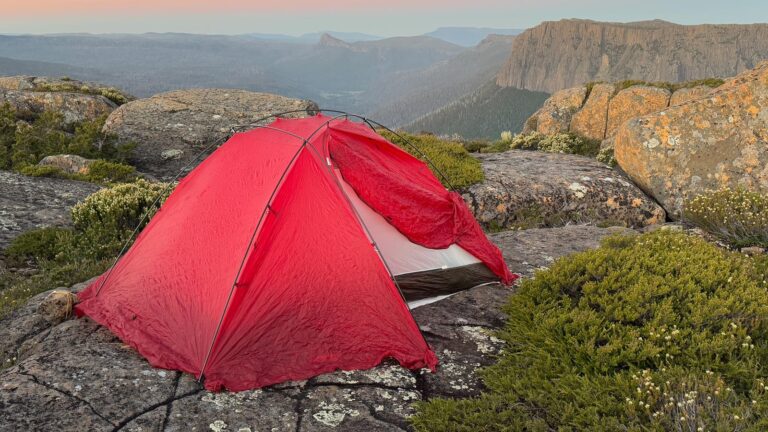
Shelter choice plays into this too. A sheltered, low-wind campsite is critical, especially in alpine and exposed coastal areas, because no amount of bag rating fully compensates for a badly chosen pitch. And if you can, test your full setup in conditions similar to what you’ll face on the trail before you rely on it, because the way a system performs on paper and the way it performs at 2am in the wind are not always the same thing.
The biggest mistake I see is hikers focusing on the limit rating and ignoring comfort, which is often the difference between a good night’s sleep and a miserable one. Underestimating wind and humidity is a close second, since both can make a well-rated bag feel cold regardless of the number on the label. And a rating that works well in one Australian environment can fail completely in another, so I wouldn’t assume one bag covers everything you’re likely to hike into.