What Role Can Minimalist Footwear Realistically Play in Australian Bushwalking?
The Skinners Comfort 2.0 arrived mid-August 2026, and I was keen to put them through their paces properly over the following weeks.
Skinners Australia supplied a pair of the Comfort 2.0 for field testing.
They found a use immediately, and not the one I expected. I work from home and tend to walk around the house in socks all day, which means I’m forever wearing holes in them. I swapped the socks for the Skinners and they’ve been doing that job nicely. Only issue was, I forgot I had them on. My wife and I were down at Coles one day and I looked down at my feet halfway round the shop and realised I’d walked out of the house in them. Nothing wrong with that once you get past the mindset that they’re more than just socks, but it says something about how easy they are to just live in.
Skinners sit in an unusual space in the footwear world. They’re not quite a shoe, not quite a sock, and not quite a traditional barefoot shoe either. They’re best described as a minimalist “sock shoe” built around a thin protective sole. Skinners position them around natural foot movement and ground feel, and that’s a genuinely different proposition to anything else in my gear cupboard, so the real question for Australian hikers is where, if anywhere, something this minimal actually earns a place in the pack.
How I Tested Them
I’ve field-tested a barefoot-style product once before, a fair while back now, and came away thinking I wouldn’t wear them on hikes that asked too much of my feet. So, the first question on my mind with the Skinners was simple: where would you actually wear these? Skinners Australia’s own website is upfront about it, describing them as suitable for outdoor use on soft surfaces, sandy and forest paths, sandy beaches, gardens, water sports and swimming, and not suitable for long-term use on asphalt or uneven surfaces with obstacles.
That’s pretty much what I found too.
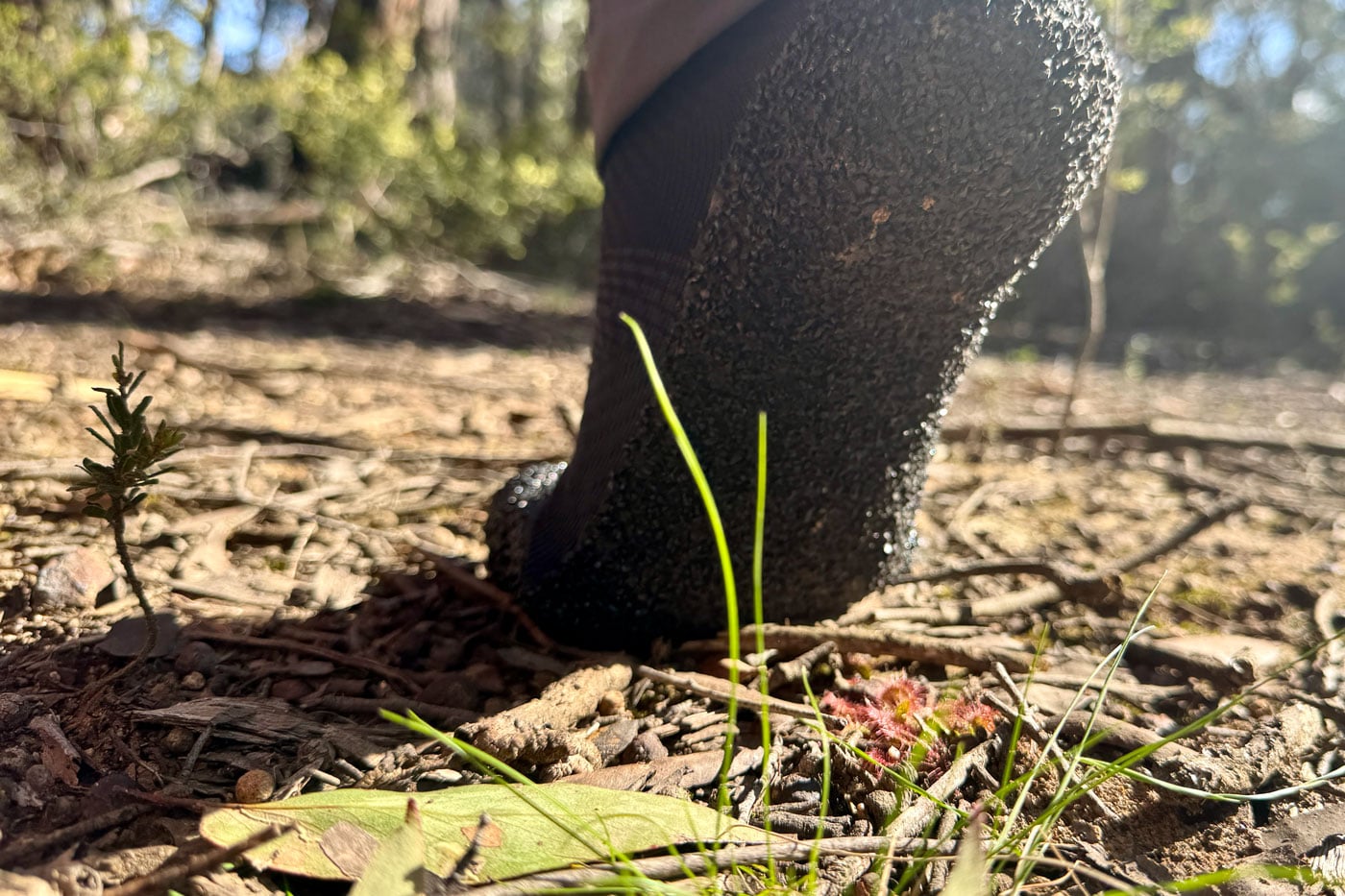
I took them on a number of half-day and full-day hikes. Skinners suggest you can wear a thin pair of socks underneath, but I skipped that so I could get a genuine feel for how they performed. On the longer walks, more than two to three hours, I didn’t wear them the whole way. Instead, I wore them occasionally and carried them for breaks, creek crossings, and the easier, non-technical sections. I also took them on a few shorter bushwalks, around 2km each, on a relatively unobstructed bush track, and they held up well there. I was cautious about sharp ground early on, but even when I did tread on something, I could feel small stones and twigs underfoot without them getting through to actually hurt.
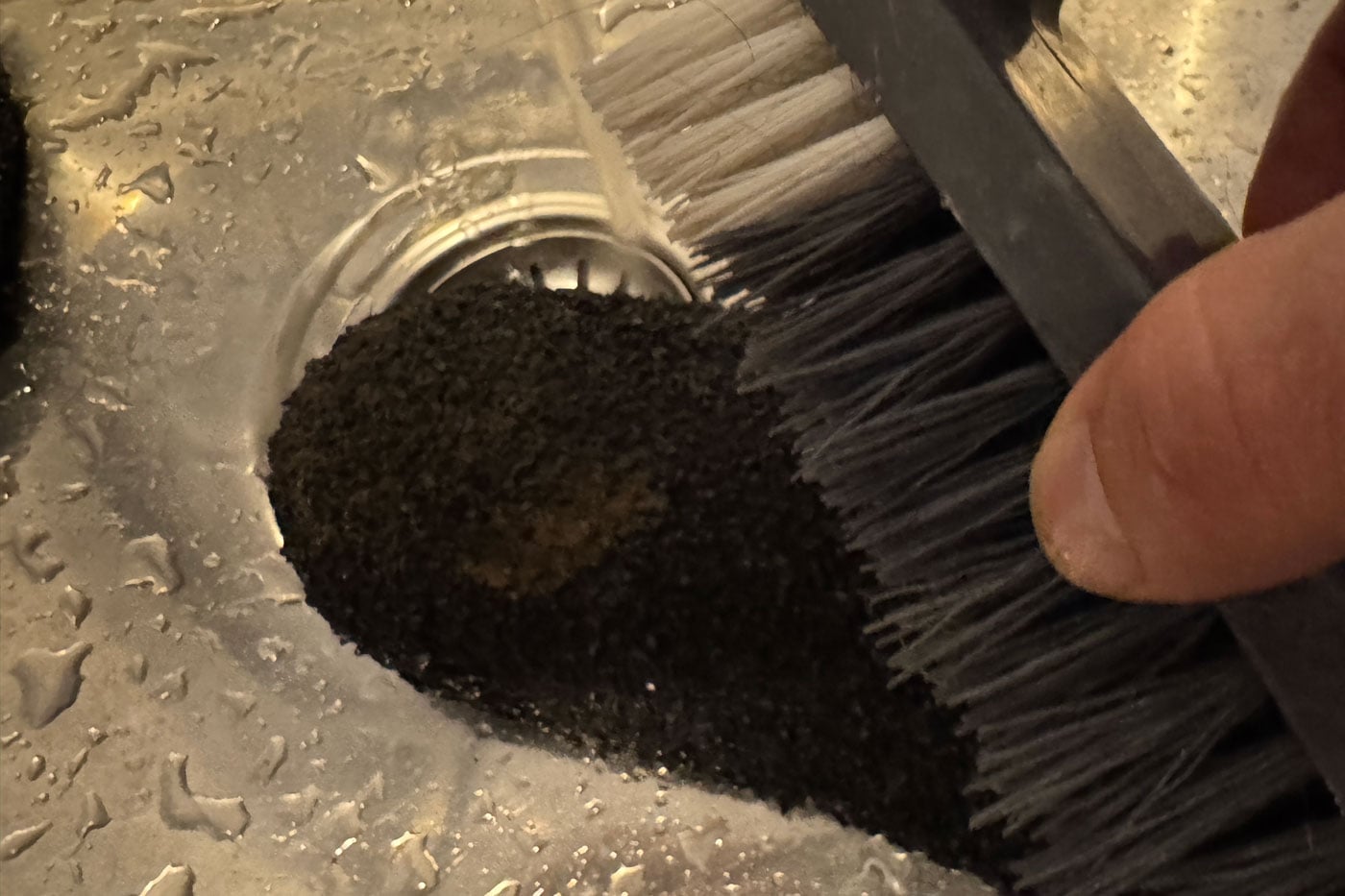
Cleaning them up afterwards was easy. They’re machine washable, but I found it simpler to just hold them under the tap after each hike and give the sole a light brush to shift any dirt. After several hikes I did put them through the machine in a wash bag for a proper clean.
Underfoot Feel and Protection
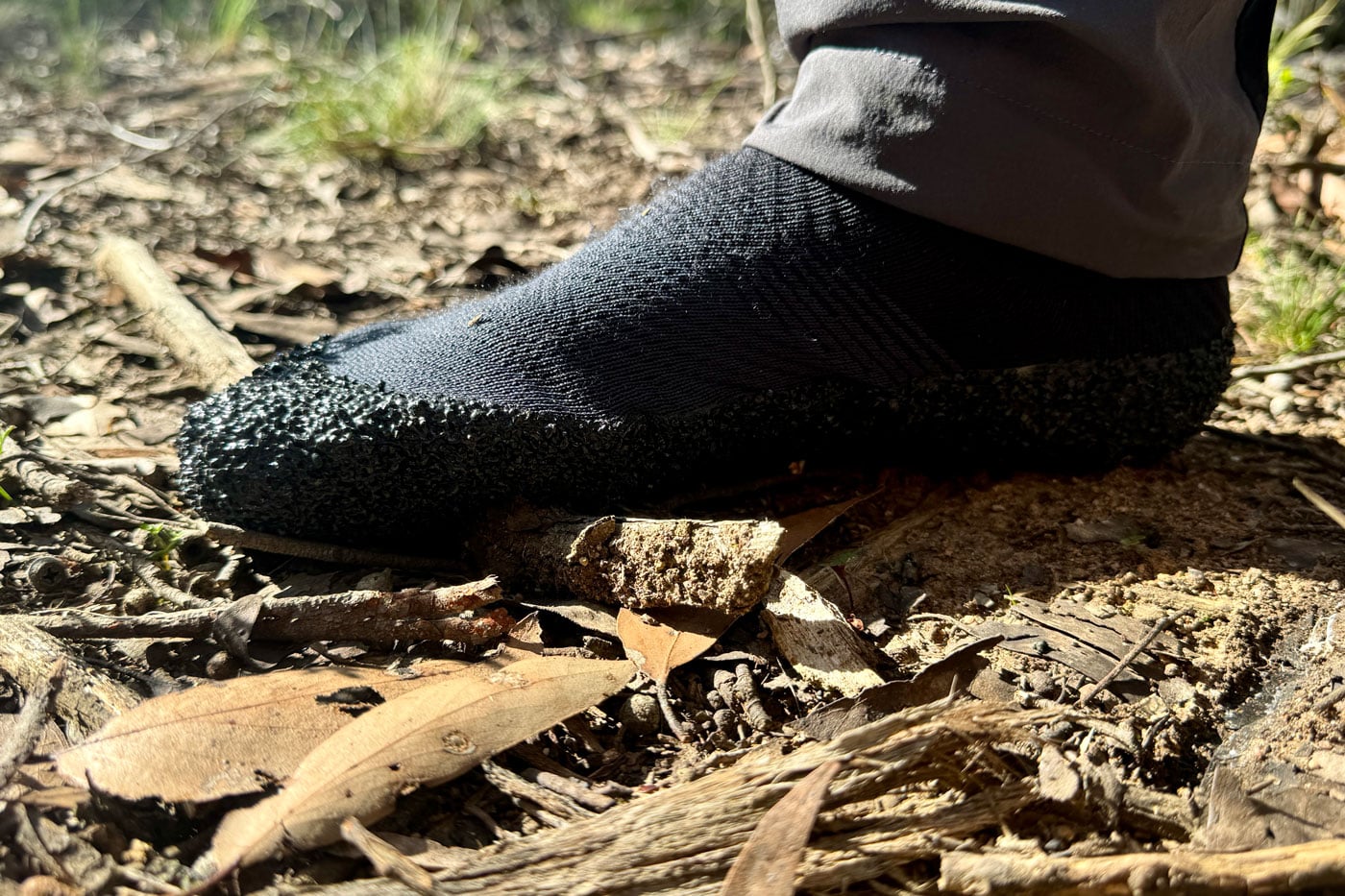
This is where the Skinners depart most obviously from a normal hiking shoe. Traditional hiking shoes use thick, stiff, heavily padded midsoles to isolate your feet from the trail. The Skinners do close to the opposite. With only a 3mm polymer outsole and a 2mm removable insole, you feel the ground’s contours, bumps and texture in a way that a normal shoe deliberately hides from you. The insole takes some of the edge off on rougher terrain, but you still need to tread carefully. Twigs, pinecones, gravel and sharp stones are all clearly felt through the sole.
Support, Gait and Muscle Fatigue
Normal hiking shoes are built to absorb impact and lock your foot in place. The Skinners are zero drop and offer essentially no structural support underfoot or around the ankle, which changes your gait and puts a lot more work onto the muscles and tendons in your feet and lower legs. If you’re not already transitioned to barefoot-style footwear, expect noticeably more muscle soreness, particularly at the front of the shins, and don’t be surprised if walking on hard surfaces like asphalt starts to feel tiring well before you’d expect it to in a normal shoe. That soreness showed up for me even on a light single-day pack, simply because the gait change asks so much more of muscles that don’t usually do this kind of work.
My gait changed noticeably wearing them. The zero-drop design naturally pushes you toward a forefoot strike rather than a heel strike, and instead of a smooth, automatic stride, my steps became far more reactive. Walking on uneven or pointy ground led to a lot of small, staggered re-steps as my feet adjusted on the fly. I also found myself becoming far more deliberate about foot placement, particularly off well-packed paths, because the Skinners aren’t puncture-proof and you genuinely need to watch for broken sticks, sharp stones and narrow roots.
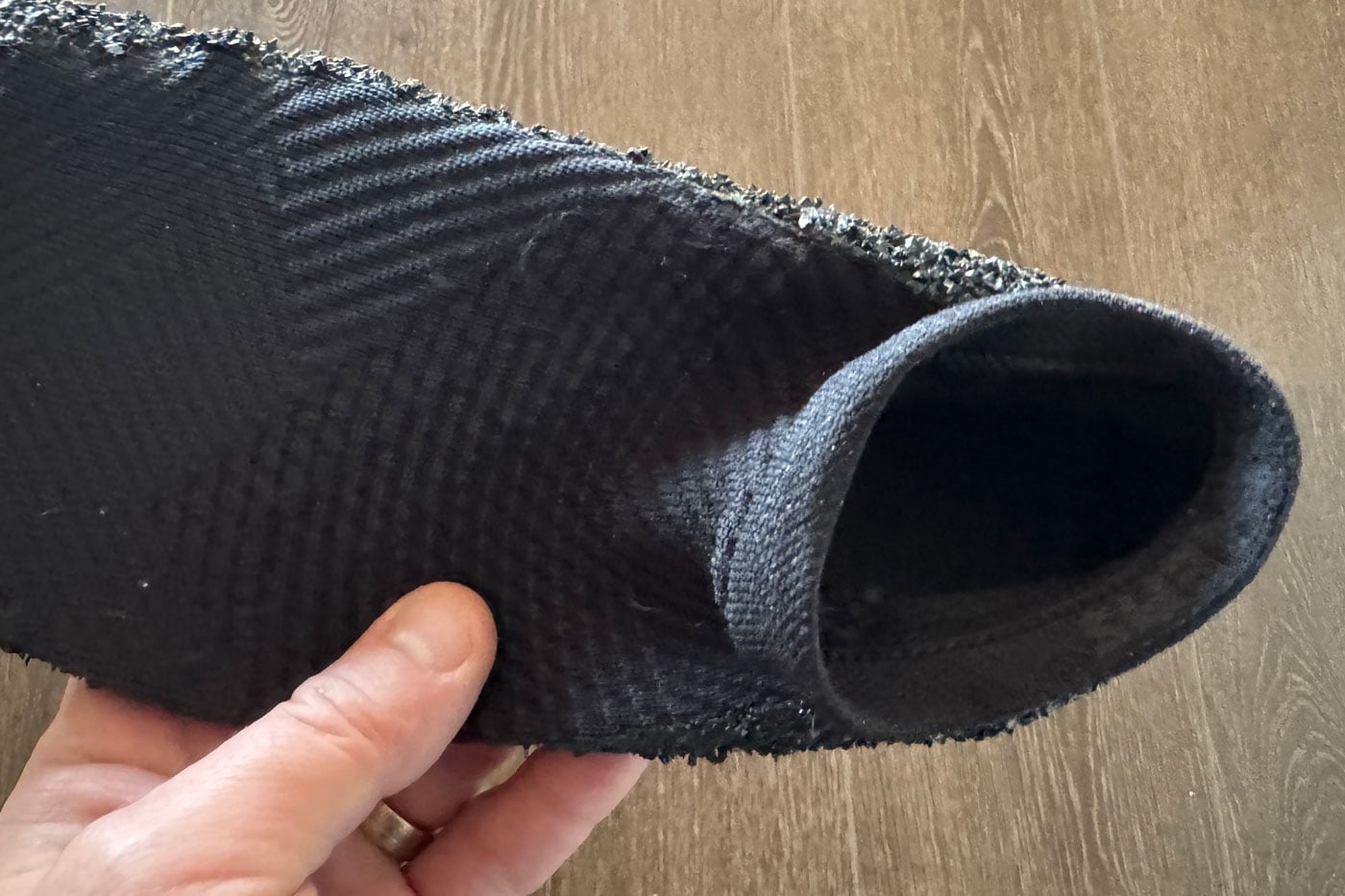
On the plus side, the toe box is wide and the upper is genuinely stretchy and comfortable. My toes had room to spread properly, though that will vary with foot shape, and the upper conformed closely over the top of my foot without rubbing or creating hot spots. It also breathed well; my feet didn’t overheat on warmer days.
Steep and Strenuous Terrain
This is where the limitations show up fastest. On steep climbs and descents, the Skinners can feel harsh and confining, and I noticed aches building in the balls of my feet during sustained uphill sections. The short ankle collar has a fairly weak grip on the leg, so on steeper ground the sock-shoe has a tendency to slide down or “spin” on your foot, which isn’t something you want to be managing on a technical climb.
Wet Conditions and Creek Crossings
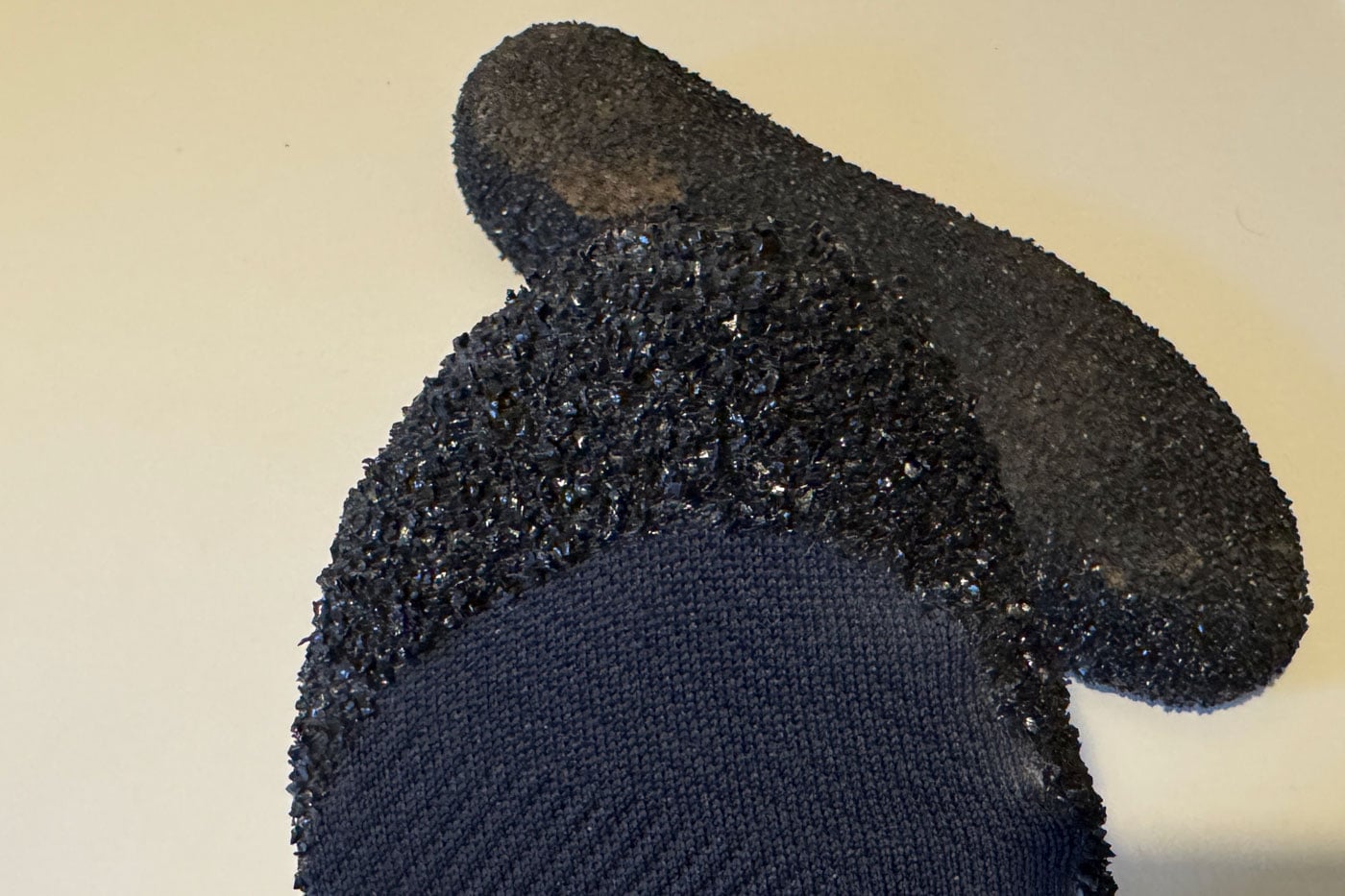
The textured, pebbly outsole grips well on wet, slippery surfaces, and unlike a loose sandal or slide-on water shoe, the stretchy upper and snug ankle band keep the Skinners properly locked to your feet during a crossing. That’s a genuine strength.
The catch is the upper itself. The sole is waterproof, but the StretchKnit fabric is highly permeable, so the moment you step into a creek your feet are fully soaked. Because it’s a knitted fabric, it also traps fine sand, dirt and silt easily as water moves through it. They still protect against scrapes, but they’re not puncture-proof, so you need to keep stepping deliberately around underwater hazards like rocks and submerged branches. The removable insole doesn’t help matters here either. Once wet, it has an annoying habit of twisting and bunching up inside the shoe when you try to put them back on or take them off. Drying time was slower than I expected too, taking more than an hour of walking on a mild day even hanging off my pack. If you’re planning to use these mainly as wading shoes, I’d pull the insoles out altogether before you start.
Where I Would Use Them
- Around home, to save wearing holes in my socks
- On shorter, well-maintained tracks where I’m comfortable trading some protection for weight and packability
- Coastal walks and sandy tracks
- River crossings where grip matters more than full foot protection
- On breaks, once boots are off and feet need to breathe
- Around camp at the end of a day, or during a multi-day hike, given how light and compact they are to carry
- In huts, refugio’s and hostels where hiking footwear has to come off indoors
- If you’re already a conditioned barefoot hiker
Where I Would Not Use Them
- Overgrown bushland and prickly scrub
- Tick and leech-prone trails
- Long-distance hikes with a heavy pack, unless you’re properly conditioned to barefoot walking, since the lack of support and cushioning can cause real leg fatigue and foot soreness over distance
- Roads and footpaths, where prolonged walking on concrete or asphalt is genuinely strenuous and wears the sole down prematurely
- Steep terrain, where the sock can spin on your foot, slide off the heel, or cause blisters
- Steep, loose scree and alpine climbs
- Wet or cold weather, since the knitted upper absorbs moisture instantly and won’t keep your feet dry
Things to consider
- The knitted upper offers no real protection against sharp objects, wet weather or wet grass, soaking through almost instantly
- The removable insole twists and bunches when handled wet, which gets frustrating around creek crossings
- The short ankle collar loses grip on steeper terrain, letting the shoe slide or spin on your foot
- Drying time is slower than you’d expect for something this thin and light
- Muscle fatigue from the gait change is real and worth planning for, not something to discover 10km into a hike
At a glance
| Pros | Cons |
| Extremely light and packable, easy to carry as a spare | Knitted upper soaks through instantly in wet grass or creeks |
| Wide toe box lets your feet spread naturally | Zero drop and minimal support can cause real muscle fatigue |
| Comfortable, adaptive upper with no hot spots | Short ankle collar can slide or spin on steep terrain |
| Textured sole grips well on wet, slippery surfaces | Removable insole twists and bunches when wet |
| Useful for camp, breaks, huts and creek crossings | Not puncture-proof; requires deliberate foot placement |
| Machine washable and easy to clean after a hike | Slower to dry than you’d expect given how thin they are |
| Genuinely locks to the foot during water crossings | Not suited to overgrown, tick-prone, or long-distance terrain |
Transitioning to Minimalist Footwear
If you’re new to barefoot-style footwear, ease into it rather than testing the Skinners on a big day out. Start with short walks, and don’t take them on anything like a 25km alpine hike as your first outing. Expect your calf and foot muscles to work differently to what they’re used to, and build up distance gradually. If you’re heading into remote terrain, carry normal footwear as a backup rather than relying on the Skinners alone.
Final Thoughts
The Skinners Comfort 2.0 is a genuinely versatile hybrid, but it was never going to be, and isn’t marketed as, a direct replacement for proper hiking footwear. Where it earns its place is in the gaps around a hike rather than the hike itself: saving your socks at home, giving your feet a breather at camp or on a break, handling a creek crossing with better grip than a sandal, or covering short, well-formed tracks where you’re happy to trade protection for packability.
Once the terrain gets loose, steep, wet or overgrown, the limitations are exactly what you’d expect from something this minimal. Zero drop and virtually no structural support mean your feet and legs are doing the work a proper shoe would normally take off them, and that shows up as fatigue and soreness if you haven’t built up to it. Know where that line sits, and the Comfort 2.0 is a genuinely useful, packable piece of kit to have with you. Expect to use it alongside proper hiking footwear rather than instead of it.
Where to Buy
The Skinners Comfort 2.0 is available directly through the Skinners Australia website.
RRP: $119.90 AUD
Tested in the Anthracite colourway, size 43-44 (Large).
Technical Specifications
Specifications sourced from the Skinners Australia product listing. Field performance may vary by terrain and use case.
| Specification | Detail |
| Model | Comfort 2.0 |
| Brand | Skinners |
| RRP (Australia) | $119.90 AUD |
| Colour Tested | Anthracite |
| Size Tested | 43-44 (Large) |
| Weight | Approx. 160g per pair |
| Sole Thickness | 3mm |
| Insole | 2mm removable, perforated, moisture-wicking |
| Sole Material | Anti-abrasive Swedish polymers, phthalate-free, no glue or seams |
| Upper Material | Three-layer StretchKnit, 6 Italian fibres |
| Fit | Regular, wide toe box |
| Care | Hand or machine washable at max 30°C; no wring cycle, fabric softener or tumble dryer |
| Intended Use | Soft surfaces, sandy and forest paths, beaches, gardens, water sports, swimming |
| Not Suited For | Long-term use on asphalt or uneven surfaces with obstacles |
| Includes | Waterproof pouch for wet or dirty sock shoes |