Australia’s most venomous snakes are also its most avoidant, because their goal is to leave before you ever arrive. Bites happen when a hiker surprises a snake, corners it, or reaches into a space without looking, which is why understanding how snakes actually behave changes what you need to worry about and which decisions are actually worth making.
Snakes are active across much of the country from spring through early autumn, and often longer in warmer regions. The risk of being bitten stays low for hikers who stay aware, but that is exactly why knowing how to move safely, and what to do if something does go wrong, still matters.
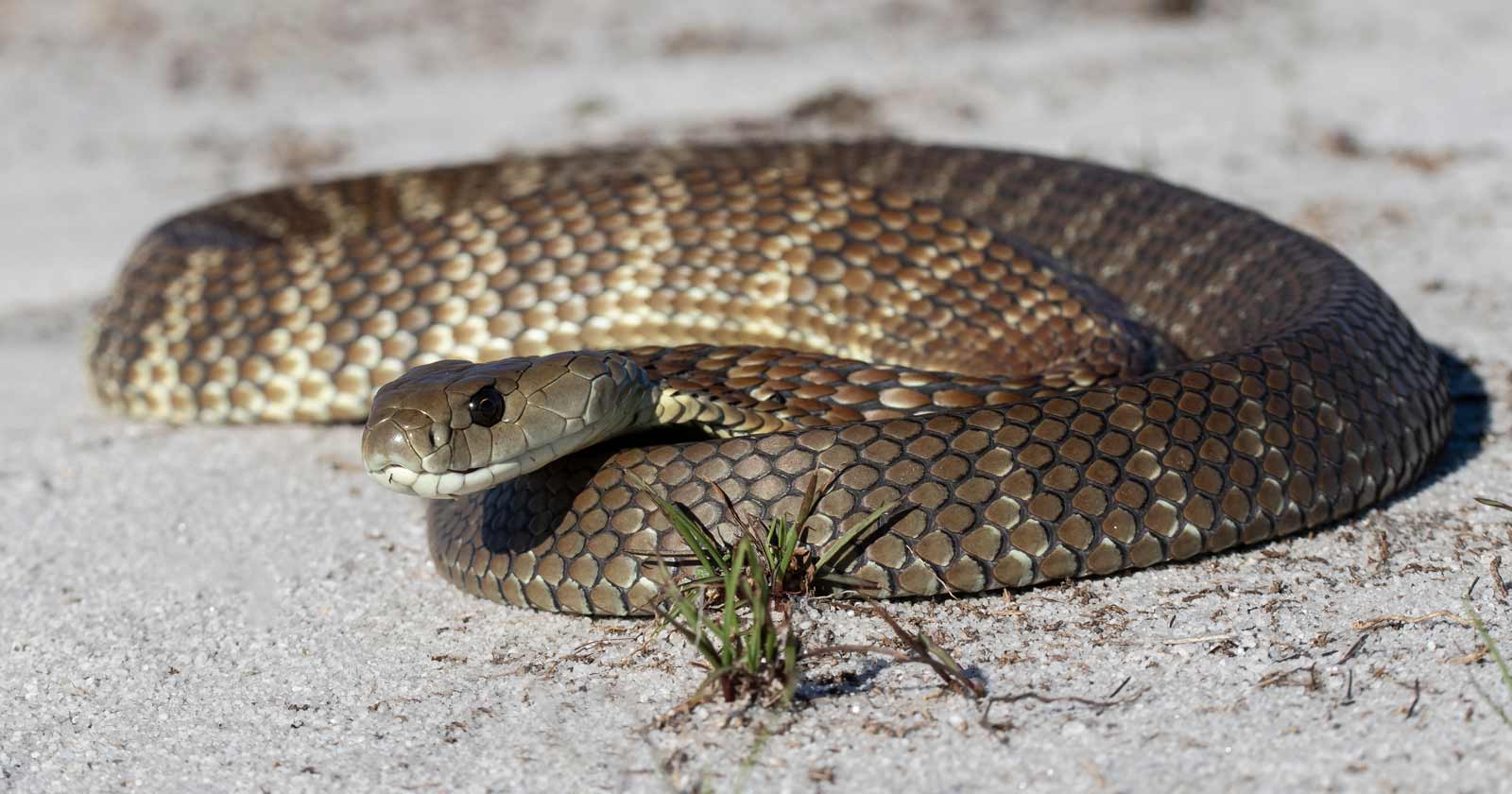
Understanding snake behaviour
Snakes are not aggressive, they are defensive. A snake’s goal is to get away from you, not to attack, and when a bite does occur it is usually because the snake felt cornered, pinned, or threatened with no escape route. Most encounters end without incident because snakes sense vibration and movement, recognise you as a threat, and leave before you ever see them. That is why you are not really preventing attacks: you are making sure a snake knows you are there and has room to leave.
Stay aware of where snakes are likely to be
Snakes are more active on warm days and may bask on tracks, rocks, or trail edges during those warm hours, and dense vegetation, long grass, and rocky areas are where they shelter and hunt. It is worth knowing what the local species are, when they are most active, and which habitats they favour, which is as simple as asking locals or checking park information before you go.
When you are moving through potential snake habitat, walk deliberately and with a bit of noise, because snakes feel vibration through the ground, and that deliberate movement and sound is what gives them time to move away before you arrive. Rushing or moving unpredictably removes that warning, so it is worth avoiding, especially at dawn, dusk, or when conditions are warm.
Do not put your hands in spaces you cannot see
Most preventable bites happen because someone reaches into a space without looking, and log piles, rock crevices, thick vegetation, and gear pockets are exactly the kind of places that can hide a snake. Pause and look before you reach into or step on anything you cannot see clearly. Sturdy boots and long pants matter here too, because they give basic protection against smaller snakes and buy you a moment if you do make contact.
Scrambling on rocky terrain raises the risk further, so scan before you climb or place your hands on a ledge. Snakes often bask on rocks and ledges, which is exactly why it pays to pause and check likely spots before you move.
Give snakes exit routes
If you encounter a snake, stop, stay calm, and let it move away in its own time. Do not corner it, and do not attempt to touch or move it, because the danger rises the moment a snake feels trapped. Give it a clear path to leave and, most of the time, that is exactly what it will do.
At night and at camp
Use a torch and illuminate the ground when walking after dark, particularly around campsites and tracks, because that is when you lose the visual cues that keep you out of trouble during the day. Keep campsites clear of long grass and debris, and do not leave food scraps behind either: they attract rodents, and rodents attract snakes. Clear ground reduces the chance of stepping on a snake in the dark or finding one sheltering near your tent.
If you are hiking with a dog, keep it leashed and close, because dogs are more likely to provoke snakes than hikers are.
Carry what you need for response
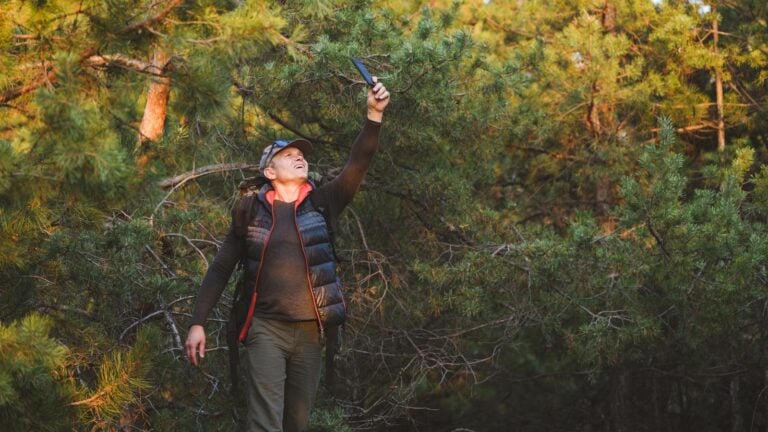
In remote areas, carry compression bandages and know how to use them before you need them, not after, because the Pressure Immobilisation Technique is not something you want to be learning under pressure. Carry a PLB or satellite communicator where mobile coverage is unreliable, because in a genuine emergency communication is often more critical than first aid itself. It is also worth downloading the Australian Bites and Stings App for offline identification and first aid guidance.
First aid if a snake bite occurs
Pressure Immobilisation Technique (PIT)
The Pressure Immobilisation Technique is the recommended first aid treatment for suspected snake bites in Australia, because its purpose is to slow the spread of venom through the lymphatic system and buy time for medical treatment. Do not wash the bite site, since venom residue may assist identification.
Step 1A: Two-bandage method (preferred)
- Use two elastic or compression bandages, ideally 10–15 cm wide.
- Apply the first bandage firmly over the bite site, then extend above and below it.
- Apply the second bandage starting at the fingers or toes, wrapping upward to cover as much of the limb as possible.
Step 1B: Single-bandage method (if only one is available)
- Begin wrapping at the fingers or toes and work upward past the bite site.
- The bandage should be firm but not tight enough to restrict circulation.
Step 2: Immobilise the limb
- Use a splint, stick, or trekking pole to keep the limb still.
- Secure it with bandages, clothing, or tape.
- For arm bites, use a sling.
Step 3: Seek urgent medical help
- Keep the person completely still.
- Call 000 immediately or activate a PLB if out of reception.
- Do not use tourniquets, cut the wound, apply ice, or attempt to suck out venom.
Before you hike in snake season
Learn the local snake species before you go, along with their seasonal activity and the emergency procedures for your route, because that groundwork is what most of this comes back to. Most snake encounters end without incident when hikers stay alert and aware, and the key underneath all of it is simple: snakes want to avoid you as much as you want to avoid them. Once you actually act on that, your decisions stop being about following a list of rules and start being smart choices about movement, placement, and awareness.



I’d also recommend always carrying at least two snake bandages in your kit. And practice using them at home so you know how to apply them if nature does strike.
Trail Hiking Australia I’m lucky enough to have had to do treatment for a snake bite w/o proper snake bite bandages and the ambos said everyone gets the tension wrong, and were surprised to find I got it right. We now have snake bite kits for all work trips. Snakes can also be found in the water.
Bush noodles 😭😭😭
Mel White careful what you eat.
Trail Hiking Australia 🤮
SES Bacchus Marsh Unit