How to Keep Yourself Safe on a Group Walk

1 views
Quick overview: In the post, I discuss the importance of personal preparation and responsibility when participating in group hikes. I provide practical advice such as asking critical questions about the hike, checking the weather forecast, and packing essential gear. I also emphasise the value of individual awareness and decision-making in maintaining group safety, even when hiking with experienced leaders.

Your safety is still your responsibility

Group walks are one of the most rewarding ways to enjoy the outdoors. They give you the chance to explore new trails, often with more experienced walkers, learn practical skills by observing others, and build connections with people who share your love of nature. For many hikers, joining a hiking group or bushwalking club is a turning point. Bushwalking clubs provide structured activities, trained and knowledgeable leaders, and a supportive environment for building confidence and skills. They often offer a wide range of walks, from easy social outings to challenging full-day adventures. Being part of a club also gives you access to shared knowledge, safety practices, and a community that values preparation and responsibility. If you join casual public meet-ups, make sure the organisers have experience and safety protocols. Not all groups operate like bushwalking clubs.

Even within a well-organised group your safety is still your responsibility. When everyone takes ownership of their own preparation, the entire group stays safer, and the walk becomes more enjoyable for all. Being ready, informed and self-reliant means you can relax and enjoy the experience without putting yourself or others at risk. It also helps ensure that small issues do not turn into major incidents. Incident reports from search and rescue organisations show that over-reliance on the leader is a common factor in preventable emergencies. Safe group walking works best when everyone takes responsibility.

When responsibility is shared, group safety improves. Shifting safety awareness from relying on the leader to taking personal responsibility increases group resilience, reduces unsafe dependency and prevents small issues from becoming major incidents. Even in a well-organised group, each person is responsible for their own preparation and decision making. When everyone contributes, everyone stays safer.

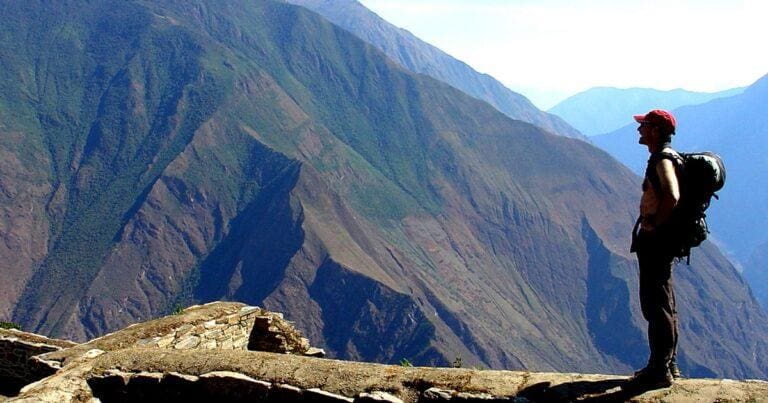
Ready to begin the journey as a team

Do Your Homework

Before joining a group walk, ask the leader important questions. Each of these helps you understand whether the walk is suitable for you and whether the group is organised in a safe and responsible way.

  • Where exactly are we going: Knowing the route helps you prepare properly, bring the right gear and research the terrain. It also helps you navigate if you become separated.
  • How long will it take: Understanding the duration helps you plan food, water, clothing and your transport arrangements. It also ensures you are comfortable with the commitment.
  • What is the walk grade: Grading tells you what physical and technical demands to expect. Choosing a grade within your ability reduces the chance of fatigue, injury or slowing the group down.
  • How big is the group: Group size affects pacing, safety, environmental impact and how easily people can stay together. Large groups may be harder to manage and more likely to spread out.

It is also important to check whether the leader has suitable experience. An experienced leader understands navigation, group management, risk assessment and how to respond when things do not go according to plan. An inexperienced leader may unintentionally overlook key safety considerations.

Always check the weather forecast in the days before the walk. Weather affects trail conditions, visibility, safety and your gear requirements. Sudden changes can turn an easy walk into a dangerous one.

Be prepared to cancel or change plans if conditions become unsafe. Turning back early or choosing an alternative walk prevents incidents, injuries and potential rescues that put both the group and emergency services at risk.

If plans change, notify your emergency contact. They should know your Plan A, Plan B and Plan C, and you should update them whenever your route or timing changes. This ensures someone at home understands where you are and what to do if you do not return on time.

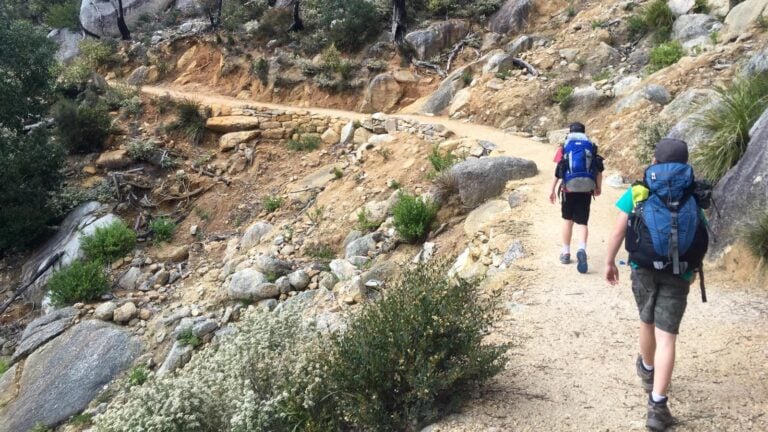
Hiking together through dense forest

Bring Your Own Map

Always carry your own navigation. This is about self-reliance, not distrust. Even in a group, you must be able to look after yourself if separated. Navigation is a core hiking skill and a key factor in preventing avoidable emergencies.

For more on this concept, read: Why Self-Reliance is the Key to Safe Hiking

Suitable smartphone navigation apps include:
• Avenza Maps
• Gaia GPS
• Pocket Earth Pro (iPhone)
• Memory-Map

These apps allow you to download high quality offline maps, record your track and verify your location on the trail. For a detailed guide on choosing and using smartphone navigation tools, see: Smartphone Trail Navigation

Staying aware as terrain changes

Pack Your Essentials

Packing the right gear is a simple but critical step in keeping yourself safe. Each item plays an important role in preventing small issues from escalating.

  • At least 2 litres of water: Dehydration affects concentration, stamina and decision making. Carrying enough water is essential, especially on warm days.
  • Snacks or lunch: Food helps maintain energy levels and keeps you focused and comfortable throughout the walk.
  • A small first aid kit: Items such as a snake bandage, emergency bivvy bag, bandaids and pain relief allow you to manage injuries until help arrives. Personal medication is essential. If you carry essential medication such as an EpiPen, asthma inhaler, insulin or heart medication, tell the leader and at least one group member where it is kept in your pack. If you become unconscious or unable to speak, this information can save your life. A simple comment like “My EpiPen is in the top pocket” ensures others can act quickly if needed. You’ll find some tips on building your first aid kit here.
  • Warm or waterproof clothing: Weather can change quickly. Staying warm and dry reduces the risk of hypothermia and improves comfort.
  • A torch: If the group is delayed, you may need light to navigate safely in fading daylight. Many rescues have occurred when people have been stranded after dark.
  • Hiking boots or sturdy trail runners: Proper footwear improves grip, stability and reduces the likelihood of falls or injuries.

For more details on essential gear, see: The Ten Essentials

Be Prepared for Emergencies

Check whether anyone in the group is carrying a Personal Locator Beacon (PLB). PLBs can save lives, but they are safety nets, not shortcuts. Relying on them instead of preparation leads to unnecessary rescues and puts emergency responders at risk. 

Before you leave, complete and share a trip intentions form. This ensures someone knows where you are going, who you are with and when to raise the alarm if you do not return. Trail Hiking Australia’s online intentions form

Know what to do if you get lost, including how and when to call for assistance. The right actions early on can prevent a minor mistake from becoming an emergency. Read more: What To Do If You Get Lost Hiking

Confident hikers moving safely together

Stay Aware and Don’t Just Follow

Even in a group, it is vital to remain alert and aware of your surroundings. This helps you stay on route, contributes to group safety and strengthens your own skills as a hiker.

Many hikers fall into what is known as the sheep mentality. This happens when people assume that because they are in a group, or because someone else appears confident, they do not need to think for themselves. Switching off like this is one of the most common contributors to preventable incidents. Staying alert, questioning things that feel wrong and being engaged with the route helps protect you and the group.

  • Pay attention to the track, junctions, distances and terrain changes. This helps prevent the group from taking wrong turns and allows you to retrace your steps if needed.
  • Notice landmarks, features, and natural clues. These assist with navigation and help you understand your environment.
  • Take photos of trail information signs so you have a visual reference if you need to check distances or route details.
  • If anything feels wrong, speak up. This could be deteriorating weather, fading daylight, unsafe behaviour or a questionable route choice. Active communication keeps the entire group safer.

Staying aware is not only about observation. It also means contributing to group decision making when something feels wrong.

Every group member has the right to call a stop if they feel unsafe, uncertain or uncomfortable about the conditions, the pace or the direction of travel. This simple action can prevent poor decisions from escalating. Trust your instincts. If something feels off, speak up and ask the group to pause, reassess and confirm the plan.

To build your trail observation skills, read: Navigating the Trails: The Art of Observation When Hiking

The Bottom Line

Walking with a group can be incredibly rewarding. When everyone takes responsibility for their own preparation, navigation and safety, the experience becomes safer, easier and more enjoyable. A well-prepared walker contributes to a well-prepared group, and a well-prepared group is far more resilient when things go wrong.

In summary, the most direct enhancement to group resilience occurs because each well-prepared walker strengthens the whole. This shifts safety away from relying on the leader as a single point of failure and creates a group made up of capable, self-sufficient individuals. If the leader becomes incapacitated, the rest of the group still has the knowledge, gear and navigation skills to manage the situation, much like a decentralised mesh network where the failure of one node does not compromise the entire system.

Stay prepared, stay aware and enjoy every step you take on the trail.

If you’d like to learn more about safe and effective group hiking, see:

About the Author

Author image
Darren Edwards is the founder of Trail Hiking Australia, an avid bushwalker, and a dedicated search and rescue volunteer. With decades of experience exploring Australia's wilderness, Darren shares his passion for the outdoors, providing practical advice and guidance on hiking safely and responsibly. He was interviewed on ABC Radio and ABC News Breakfast to discuss bushwalking safety, highlighting his commitment to promoting responsible outdoor exploration.

Leave a comment