From Kimberley Gorges to Karri Forests: The Landscapes of Western Australia
Overview
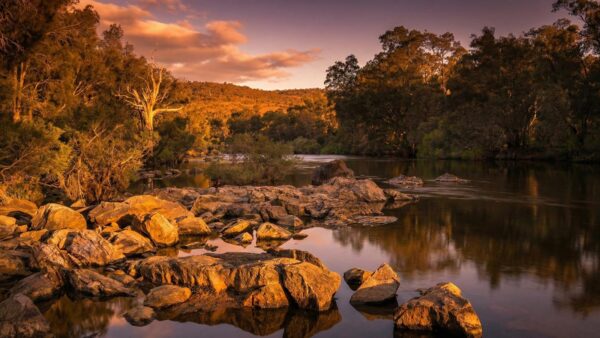
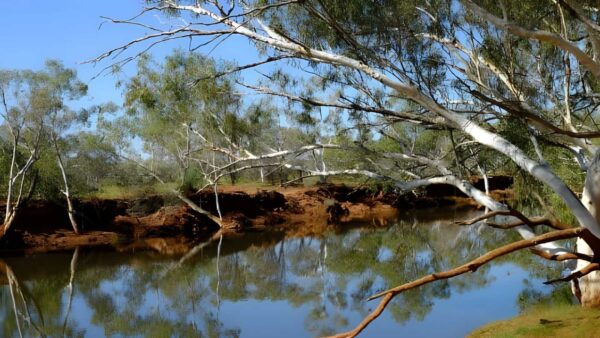
Western Australia spans an extraordinary range of environments, from the tropical north and arid interior to the temperate forests and coastline of the south-west. Its protected areas include national parks, conservation parks, regional parks, State forests and nature reserves, together covering more than 25 million hectares. Across that enormous area are coral-fringed coasts, ranges, river gorges, desert country, granite outcrops, wetlands and some of Australia’s most distinctive forest landscapes.
The scale of the state is important to understanding it. Western Australia’s parks are grouped across five broad tourism regions, stretching from the Kimberley and Pilbara in the north through the Coral Coast and inland Goldfields to Perth and the south-west. These are not variations on a single landscape but very different environments shaped by climate, geology and ecological history.
Highlights
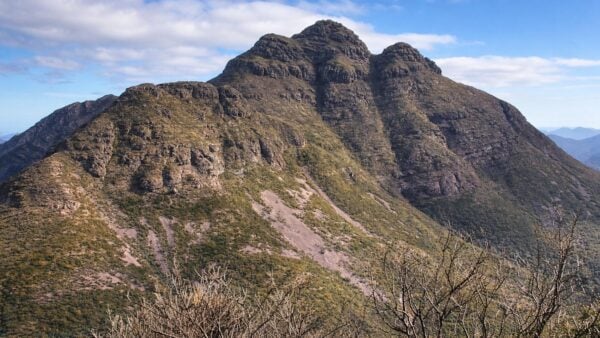
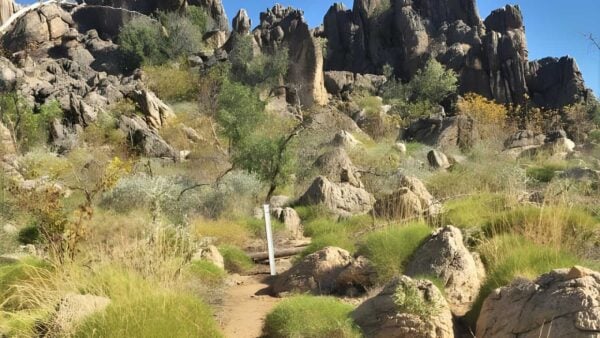
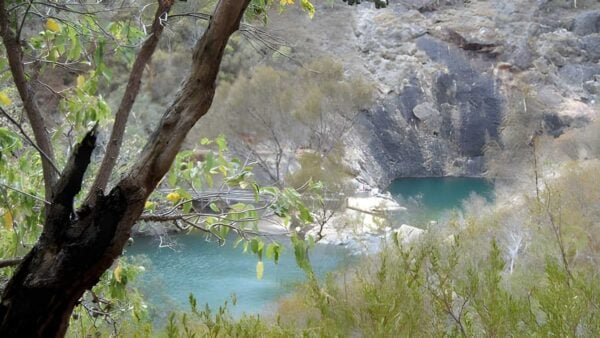
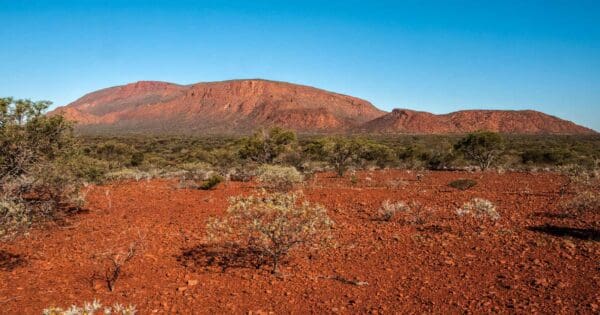
Western Australia’s scenery is strongly tied to its ancient geology. Rocks forming the state have developed over more than 3.7 billion years, leaving a landscape that includes deeply weathered plateaus, rugged ranges, sandstone and limestone gorges, granite formations and broad arid plains. In the Kimberley, immense escarpments and gorge systems dominate parts of the landscape, while the Pilbara is characterised by ranges, rocky plateaus and deeply incised valleys.
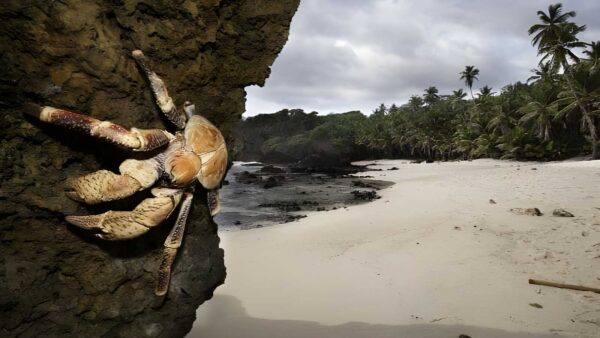
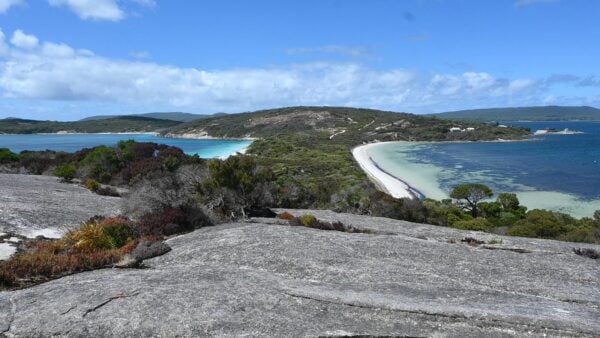
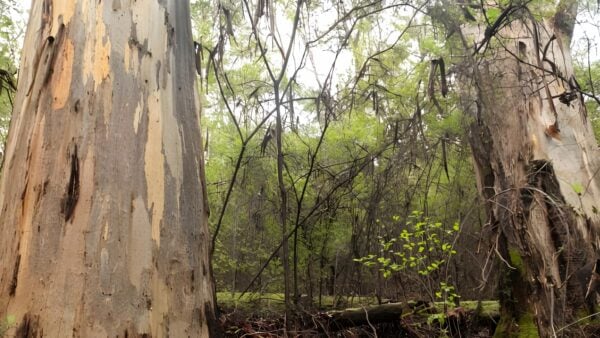
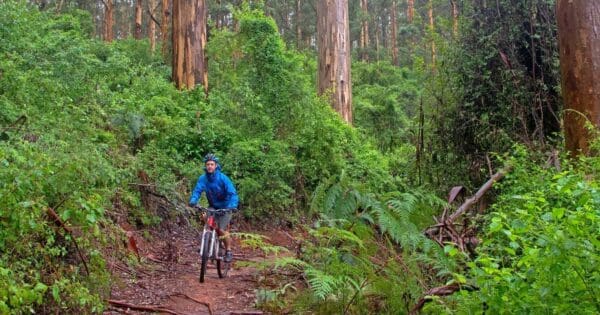
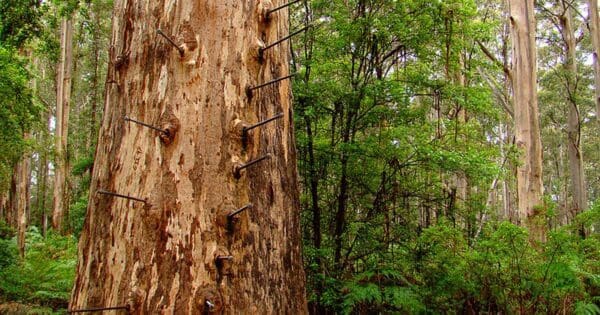
Along the coast, the character changes repeatedly. There are limestone cliffs and formations, sweeping beaches, offshore islands, coral reef systems and coastal heathlands. Further south, tall karri forests and other south-west forests create a completely different setting, while inland Western Australia opens into extensive mulga and spinifex country. Shark Bay, Purnululu National Park and the Ningaloo Coast are among the state’s internationally recognised World Heritage properties.
Best Time to Visit
There is no single best season for Western Australia because its climate changes so dramatically from north to south. Northern Australia has a distinct wet season from October to April and a dry season from May to September. The dry season generally brings lower humidity, cooler conditions and much less rainfall across the tropical north, making it a very different environment from the same country during the wetter months.
Southern Western Australia follows a more temperate seasonal pattern, with cooler winters and warmer summers. For walkers looking across the state rather than at one particular park, it makes more sense to think regionally than seasonally. Conditions in the Kimberley, Pilbara, south-west forests and southern coast can be markedly different at the same time of year.
Plants and Animals
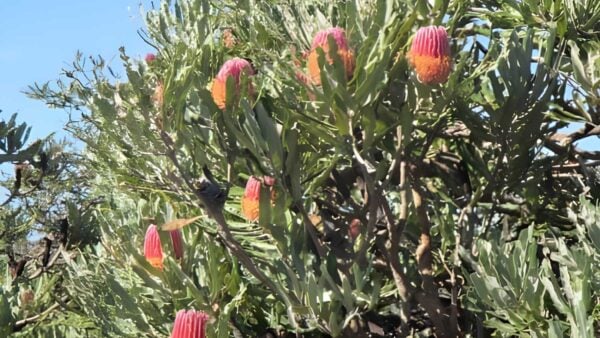
Western Australia supports an exceptional variety of plant life. The south-west in particular is recognised internationally for its botanical richness, while the state’s broader vegetation ranges from tropical and savanna communities in the north to mulga, spinifex, heathlands, woodlands and tall forests. Western Australia is especially well known for its wildflowers, and the Western Australian Herbarium maintains a scientific collection of more than 750,000 plant specimens documenting the state’s flora.
The fauna is just as varied. Western Australia supports a rich assemblage of mammals, birds, reptiles, frogs, fish and invertebrates, including many species with restricted distributions. The Department of Biodiversity, Conservation and Attractions notes that the state is home to about half of Australia’s threatened mammal species, reflecting both its biological importance and the conservation challenges facing some ecosystems.
Culture and Heritage
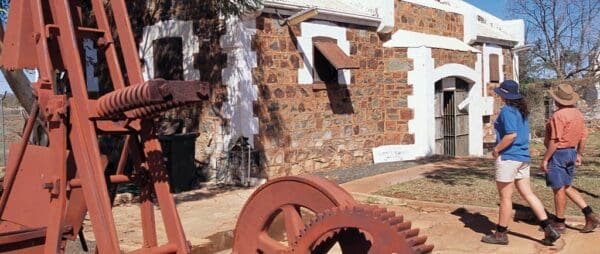
European exploration, pastoral expansion, forestry, agriculture and mining have all left substantial marks on Western Australia’s landscape. Mining became particularly influential during the nineteenth century, with the rapid expansion of gold mining eventually leading to the creation of the Department of Mines in 1894. Gold, iron ore, nickel, diamonds, bauxite and other mineral resources remain closely connected to the economic history and development of many inland regions.
The physical traces of that history remain scattered across the state, from former mining settlements and industrial sites to pastoral buildings, transport routes and historic townsites. Western Australia’s State Register of Heritage Places records buildings, structures, landscapes, archaeological sites and other places considered significant to the story of the state’s development, adding another layer to landscapes that are often encountered primarily for their natural character.