Sorry, no records were found. Please adjust your search criteria and try again.
Sorry, unable to load the Maps API.
Explore stunning hiking trails of Werrikimbe National Park
Discover the diverse trails of Werrikimbe National Park, New South Wales, offering hikes and walks for all skill levels and interests. Find your perfect adventure today.
Discover 3 hiking trails in Werrikimbe National Park
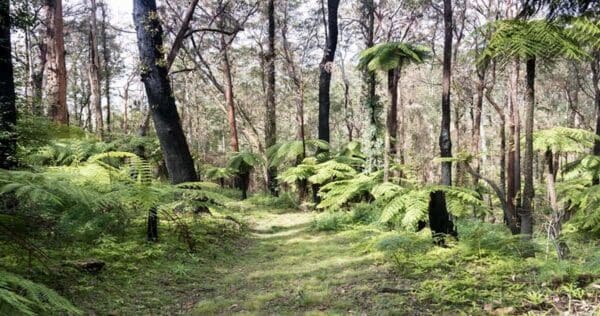

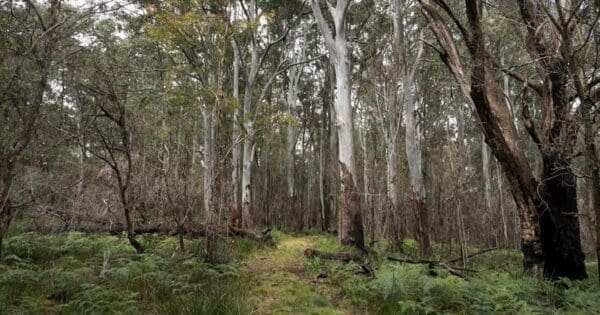


Gondwana Rainforest and Escarpment Country at Werrikimbe
Overview
Werrikimbe National Park sits on the Great Eastern Escarpment in northern New South Wales, about 350km north of Sydney. It protects a large area of mountain country where rainforest, tall eucalypt forest, rivers, swamps and steep gullies all meet, giving the park a strong sense of variety from one section to the next.
The park covers 33,292 hectares and was first reserved in 1975, with later additions expanding its protected area. Part of Werrikimbe is included in the Gondwana Rainforests of Australia World Heritage Area, reflecting the international significance of its ancient rainforest communities.
Highlights
What stands out most at Werrikimbe is the contrast in scenery. There are deep-cut valleys and rugged escarpment country, but also elevated tableland areas where the landscape opens right out. Across the park, rainforest pockets sit beside wet forest, rivers and swampy flats, so the views and atmosphere can shift quickly as the terrain changes.
The park is also notable for the breadth of its plant communities. Three rainforest types occur here, cool temperate, warm temperate and subtropical, which is a big part of what gives Werrikimbe its rich, layered look. Areas such as Bishops Swamp and Racecourse Swamp add another distinct element, while snow gum woodland around the higher country gives parts of the park a noticeably different character again.
Best Time to Visit
Spring is a particularly rewarding time to be here, when wildflowers bring colour to the forests and heathland. At the same time, Werrikimbe’s elevation and mix of rainforest and escarpment country mean it has appeal beyond one season, with the cooler months often suiting those who prefer crisp air and clearer conditions in the higher country.
If you are hoping to get a feel for the park’s rainforest character, any time of year can work well. The enclosed gullies, dense canopy and damp mountain environment are part of Werrikimbe’s identity, not just a seasonal feature.
Plants and Animals
Werrikimbe has remarkable biological diversity, with close to 1,000 plant species recorded and nearly 30 listed as rare or threatened. Its mix of rainforest, eucalypt forest, swamp and woodland creates habitat for a wide range of fauna across very different elevations and conditions.
Wildlife records for the park include around 52 mammal species, more than 120 bird species and 48 reptile and amphibian species. Animals found here include bandicoots, eastern grey kangaroos and several wallabies, including the parma wallaby. Birdlife ranges from robins and fantails through to less commonly seen species such as the olive whistler, rufous scrub-bird and sooty owl.
Culture and Heritage
Werrikimbe National Park is on the traditional lands of the Dungutti Aboriginal People, who continue to have an active role in park management. The park contains important Aboriginal sites, including stone arrangements and surface deposits of stone artefacts, which reflect a long connection with this mountain country.
Find more places to explore…
Help expand the trail collection!
Know of an official trail not listed on Trail Hiking Australia? I’m focused on showcasing the best tracks managed by land managers, and I’d love your help! Sharing a trail adds to our community and helps others discover safe, new adventures.
Submit your trail here