Sorry, no records were found. Please adjust your search criteria and try again.
Sorry, unable to load the Maps API.
Explore stunning hiking trails of Tasman National Park
Discover the diverse trails of Tasman National Park, Tasmania, offering hikes and walks for all skill levels and interests. Find your perfect adventure today.
Discover 4 hiking trails in Tasman National Park
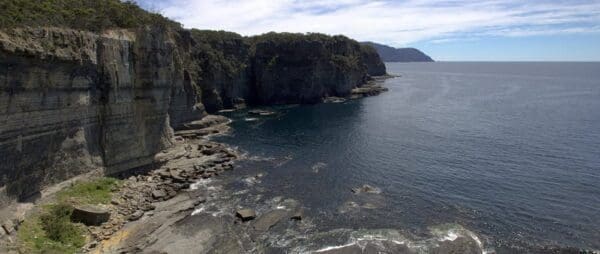

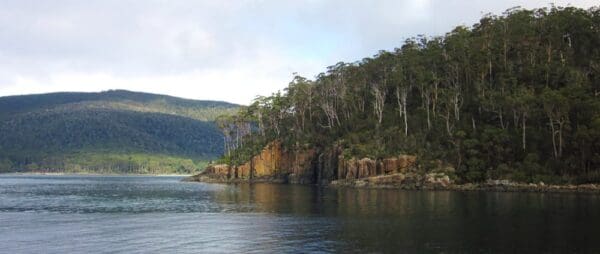

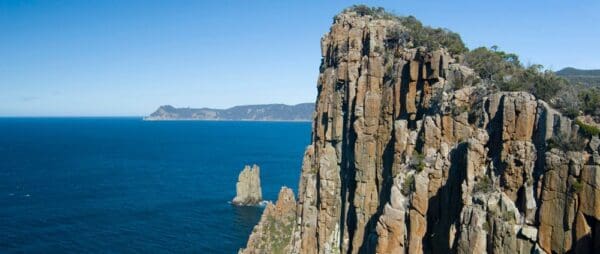

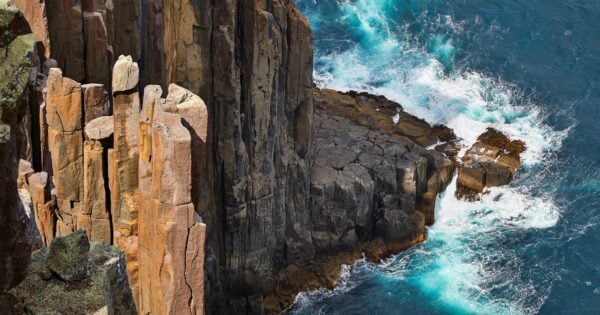
Where Dolerite Cliffs Meet the Southern Ocean
Overview
Tasman National Park sits on Tasmania’s south-eastern edge, protecting long stretches of the Tasman and Forestier peninsulas where tall forest gives way to a hard, wave-cut coastline. It is about 90 minutes from Hobart, and the sense of distance comes less from remoteness than from the way the land suddenly breaks into capes, narrow isthmuses and sheer coastal walls.
This is a park defined by contrast. Inland, there are eucalypt forests and heath; along the coast, the Southern Ocean works against dolerite, sandstone and mudstone to shape cliffs, arches, caves and blowholes. The park also includes offshore islands and rich coastal waters, so the experience of the place is never just about the land itself. Sea, rock and weather are part of the character at every turn.
Highlights
The great visual signature of Tasman National Park is its line of towering sea cliffs, the highest in Australia, rising along the eastern and southern edges of the peninsula. Dolerite columns and spires give the coast a stern, vertical look, especially around the great headlands of Cape Pillar, Cape Hauy and Cape Raoul.
Elsewhere, softer rocks have been carved into some of the best-known coastal landforms in Tasmania, including arches, caves and narrow inlets where the ocean pushes deep into the shoreline. Around Eaglehawk Neck and the nearby capes, the scenery shifts quickly from sheltered coves to exposed cliff faces, which is part of what makes this park feel so dramatic even over a relatively compact area.
Best Time to Visit
Tasman National Park can be rewarding in any season, but the cooler months often bring crisp air and clear light that suits the exposed coastline, while summer gives longer days for taking in the peninsula’s lookouts and headlands. Most of the area’s rain falls in winter, and conditions can change quickly on the coast, so the park tends to feel at its best when you can allow a bit of flexibility and catch it on a clear day.
Spring is especially appealing for the mix of fresh coastal heath, active birdlife and milder temperatures, while autumn often brings settled weather without the busier feel of peak summer.
Plants and Animals
For such a small corner of Tasmania, the park supports remarkable plant diversity, with more than a third of the state’s plant species recorded across this geographically isolated area. Eucalypt forest and heathland are major parts of the landscape, changing with exposure, altitude and soil as you move across the peninsulas.
The surrounding sea is just as important as the vegetation on land. Offshore islands and coastal waters provide habitat for seabirds and marine life, with Australian fur seals, little penguins, dolphins and seasonal whales all part of the broader picture. The richness of these waters is linked to the meeting of ocean currents and the nearby continental shelf, which helps explain why the marine life here feels so abundant.
Find more places to explore…
Help expand the trail collection!
Know of an official trail not listed on Trail Hiking Australia? I’m focused on showcasing the best tracks managed by land managers, and I’d love your help! Sharing a trail adds to our community and helps others discover safe, new adventures.
Submit your trail here

