Sorry, no records were found. Please adjust your search criteria and try again.
Sorry, unable to load the Maps API.
Explore stunning hiking trails of Surf Coast
Discover the diverse trails of Surf Coast, Victoria, offering hikes and walks for all skill levels and interests. Find your perfect adventure today.
Discover 3 hiking trails in Surf Coast
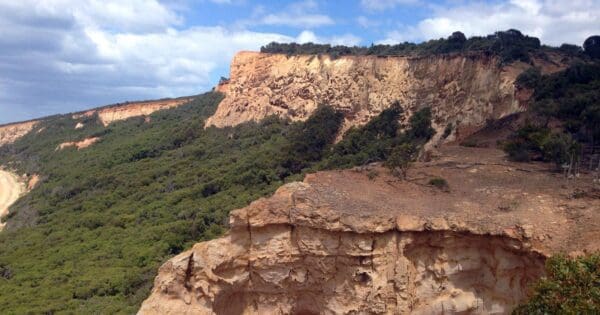

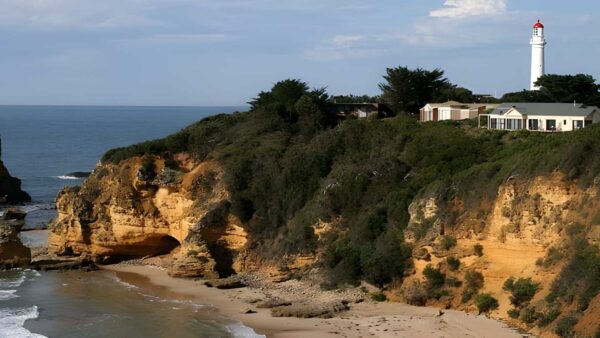
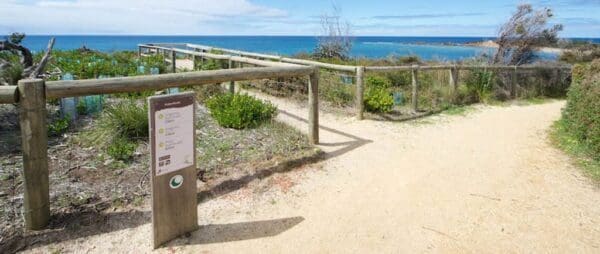
Clifftops, reef platforms and the long ocean edge of the Surf Coast
Overview
The Surf Coast stretches along Victoria’s south-west coast from around Torquay through Anglesea to Aireys Inlet, where low heathland, open forest and sheer coastal cliffs meet the Southern Ocean. Much of the walking country here sits within the eastern end of Great Otway National Park and adjoining protected marine areas, close enough for an easy trip from Melbourne but with a coastline that feels distinctly exposed and ocean-shaped.
What makes this part of the coast stand out is the way the landscape changes over short distances. Around Torquay and Point Addis, broad surf beaches and limestone and sandstone cliffs dominate. Farther east and west, the coast breaks into rocky shelves, small coves, creek mouths and headlands, with forest and heath pressing close behind the shore.
Highlights
The defining scenery of the Surf Coast is its meeting of high bluffs, wide beaches and wave-cut rock platforms. Point Addis is one of the best examples, with pale cliffs above a rugged shoreline and reefs extending into the sea. Around Aireys Inlet, Eagle Rock rises offshore below Split Point, adding a striking volcanic stack to a section of coast already shaped by cliffs, reefs and constant swell.
Even away from the headline landmarks, the coast has a strong sense of scale. Long views open up along beaches near Urquhart Bluff and toward Fairhaven, while elevated sections near Moggs Creek look across the Great Ocean Road and the ocean beyond. It is a landscape built as much by erosion and exposure as by elevation, which gives the whole coast a raw, open character.
Best Time to Visit
Spring is one of the most rewarding times to be here, when coastal heath and bushland are at their liveliest and wildflowers are easier to spot. The eastern end of Great Otway National Park supports an unusually rich spread of plant life, including more than 80 native orchid species, so there is often more botanical interest here than many visitors expect from a surf coast.
Autumn is another excellent window, with generally milder conditions for walking and clear coastal light. Winter can also be memorable if you enjoy the dramatic side of the coast, when the ocean’s energy and the dark cliff lines feel especially pronounced.
Plants and Animals
This coast holds a mix of heathland, bushland, cliff-top vegetation and marine habitat, which helps explain its ecological variety. About a quarter of Victoria’s plant species are represented in the Anglesea and Aireys Inlet section of Great Otway National Park, including a notable diversity of native orchids.
Offshore and on the rock platforms, the marine life is just as distinctive. Eagle Rock Marine Sanctuary protects intertidal and subtidal reefs, soft sediments and open water, with algae-covered platforms, deeper rock pools, bull kelp and crayweed around the offshore rocks. At Point Addis, reefs, sandy areas and limestone features support a rich marine environment, and whales, fur seals and a wide range of shore and seabirds have all been recorded along this part of the coast.
Find more places to explore…
Help expand the trail collection!
Know of an official trail not listed on Trail Hiking Australia? I’m focused on showcasing the best tracks managed by land managers, and I’d love your help! Sharing a trail adds to our community and helps others discover safe, new adventures.
Submit your trail here

