Sorry, no records were found. Please adjust your search criteria and try again.
Sorry, unable to load the Maps API.
Explore stunning hiking trails of Sturt National Park
Discover the diverse trails of Sturt National Park, New South Wales, offering hikes and walks for all skill levels and interests. Find your perfect adventure today.
Discover 5 hiking trails in Sturt National Park
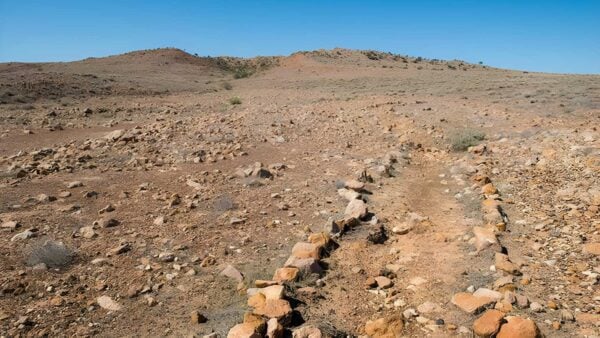

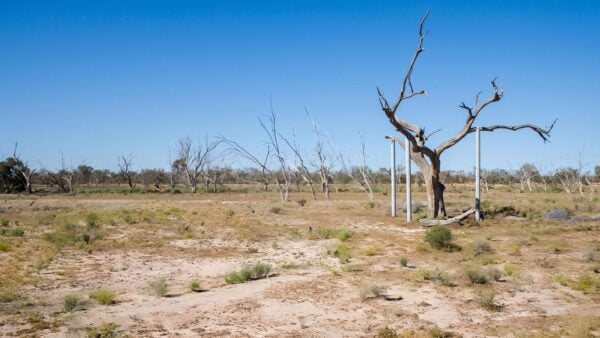
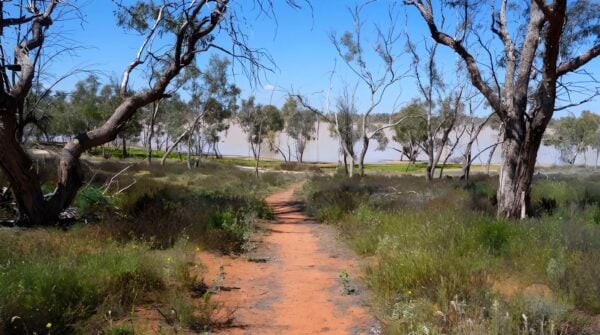
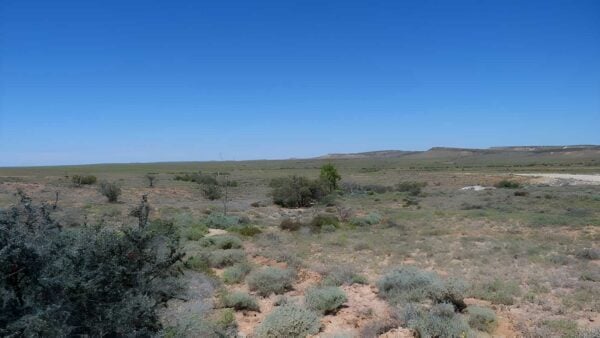
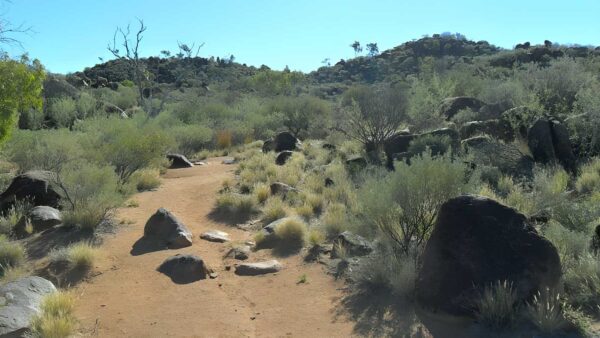

Red Dunes, Jump-Ups and Stone Tors at Sturt
Overview
Sturt National Park spreads across the far north-west corner of New South Wales, wrapping around Tibooburra near the borders of Queensland and South Australia. It is a very large arid park, with country that shifts from the Simpson-Strzelecki Dunefields in the west and north-west to Channel Country landscapes through the centre and east. That mix gives the park a broader range of scenery than many people expect from one outback destination.
The scale is part of what stays with you here. Red sand dunes, gibber plains, jump-up ridges and the weathered stone around Tibooburra all sit within the same protected area, so the sense of openness changes from one part of the park to the next rather than settling into a single look.
Highlights
What makes Sturt stand out is the contrast between its landforms. In the west, long red linear dunes roll across the desert country. Further east, the country opens into gibber plains and broad basin landscapes, while around Tibooburra the park takes on a rougher shape with flat-topped mesas and ancient granodiorite tors. The Granites are part of that stony country, and they give this section of the park a very different feel from the dunes.
Lake Pinaroo at Fort Grey adds another layer again. It sits within the Lake Eyre drainage system and is the largest terminal basin in the New South Wales dunefields. When water is present, the wetland changes the whole character of the country and draws birdlife into an otherwise dry landscape.
Best Time to Visit
Sturt is a place that is usually best appreciated in the cooler parts of the year. This is a harsh hot climate, and the rhythms of the park are shaped by long dry periods broken by occasional above-average rain. Seasons also change what you see, with wetter periods bringing a greener flush and better conditions for birdlife around ephemeral wetlands.
If you want the landscape at its clearest and most comfortable to spend time in, aim for the milder months rather than the heat of summer.
Plants and Animals
The plant communities here are built for dry country. Broad vegetation types in the park include sand plain mulga shrublands, stony desert mulga shrublands, gibber chenopod shrublands, inland floodplain shrublands and inland floodplain woodlands. In the jump-up country, mulga mixes with other acacias and hardy shrubs suited to rocky ground and low rainfall.
Wildlife is unusually rich for such a dry landscape. The park supports more than 197 bird species, at least 67 reptile species and 31 mammal species. Common reptiles include the central bearded dragon, shingleback lizard, tree dtella and Bynoe’s gecko, while notable threatened animals recorded here include the kultarr, dusky hopping-mouse, plains-wanderer and Australian bustard.
Sturt also plays an important role in restoring native mammals to this part of the state. A feral predator-free area near Tibooburra has been used to reintroduce species that had disappeared locally, including the greater bilby, crest-tailed mulgara, burrowing bettong, western quoll, golden bandicoot and Shark Bay bandicoot.
Culture and Heritage
Sturt National Park includes Country connected with Wadigali, Malyangapa and Wongkumara people. The park also holds Aboriginal heritage of state and regional significance.
Find more places to explore…
Help expand the trail collection!
Know of an official trail not listed on Trail Hiking Australia? I’m focused on showcasing the best tracks managed by land managers, and I’d love your help! Sharing a trail adds to our community and helps others discover safe, new adventures.
Submit your trail here

