Sorry, no records were found. Please adjust your search criteria and try again.
Sorry, unable to load the Maps API.
Explore stunning hiking trails of South Bruny National Park
Discover the diverse trails of South Bruny National Park, Tasmania, offering hikes and walks for all skill levels and interests. Find your perfect adventure today.
Discover 2 hiking trails in South Bruny National Park
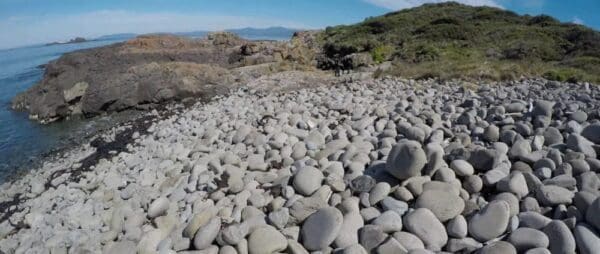

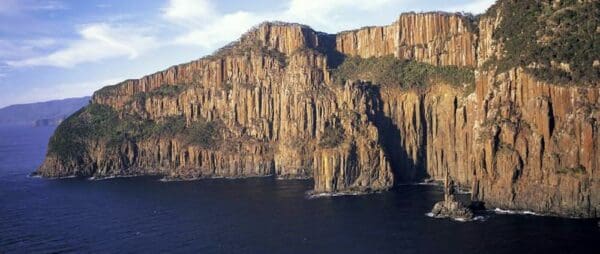
Where Bruny’s Forests Meet the Southern Ocean
Overview
South Bruny National Park covers the southern end of Bruny Island, off Tasmania’s south-east coast, bringing together a striking mix of exposed shoreline, tall forest, heathland and long sandy bays. It includes much of the coast between Fluted Cape and Great Taylors Bay, so the feel of the park shifts from sheltered beaches and headlands to sheer sea cliffs facing the Southern Ocean.
What makes this part of Bruny memorable is the contrast. One moment the country is dry coastal scrub and orchids, the next it turns to wetter forest, fern-lined creek country or open beach with a wide horizon. The geology also spans many different ages, which helps explain why the scenery changes so noticeably across a relatively compact area.
Highlights
The park is best known for its wild coastal scenery. Towering cliffs at the southern end of Bruny stand above the Southern Ocean, while places like Cloudy Bay and the Labillardiere Peninsula open out into long beaches, windswept headlands and broad views across the water to Tasmania’s southern ranges.
There is also a strong sense of shape and contrast here. Bruny Neck is famous for its narrow isthmus and sweeping sea views, while Cape Bruny combines high sea cliffs with one of the island’s most exposed outlooks. Around the coast, rocky points, dunes and sheltered bays sit close together, giving the whole park a varied, changeable character rather than a single landscape.
Best Time to Visit
South Bruny suits different kinds of visits across the year. The warmer months are usually best for beach time, longer daylight and seeing the coastline at its clearest, while spring brings wildflowers and orchids through the heathland. Birdlife is a big part of the park in any season, and whale migration can add another layer of interest along the coast.
If you prefer quieter conditions and cooler walking weather, autumn can be especially pleasant. In winter the coast can feel raw and dramatic, which suits the character of the place, though the experience is more about the atmosphere of sea, wind and cliffs than lingering on the beaches.
Plants and Animals
South Bruny National Park is important habitat for threatened species, especially birds. Sandy beaches and dunes provide nesting areas for hooded plovers, blue gums support swift parrots, and nearby Partridge Island protects one of the largest surviving colonies of the endangered forty-spotted pardalote.
The vegetation falls into several distinct communities, from salt-tolerant coastal plants to species-rich heathland, black peppermint scrub and brown-top stringybark forest. The heathlands are particularly diverse, with orchids including Christmas bells and the rare chestnut leek orchid. Wildlife on land includes white wallabies around the Fluted Cape area, along with pademelons, echidnas, wombats and brush-tailed possums. Offshore, Australian fur seals are seen around The Friars, and whales pass this coast during migration.
Culture and Heritage
Bruny Island was home to the Nuenonne clan of the South East nation of Tasmanian Aboriginal people, and South Bruny National Park contains important Aboriginal places including middens, quarries and artefact scatters. The park’s Aboriginal heritage remains significant to the Tasmanian Aboriginal community, reflecting a long history of movement between Bruny Island, the mainland and the Tasman Peninsula.
European history is also close to the surface here. Cape Bruny Lighthouse, first lit in 1838, stands on one of the park’s southern headlands, and there are remains linked to nineteenth-century whaling at places including Grass Point and Cloudy Bay.
Find more places to explore…
Help expand the trail collection!
Know of an official trail not listed on Trail Hiking Australia? I’m focused on showcasing the best tracks managed by land managers, and I’d love your help! Sharing a trail adds to our community and helps others discover safe, new adventures.
Submit your trail here

