Sorry, no records were found. Please adjust your search criteria and try again.
Sorry, unable to load the Maps API.
Explore stunning hiking trails of Seven Mile Beach National Park
Discover the diverse trails of Seven Mile Beach National Park, New South Wales, offering hikes and walks for all skill levels and interests. Find your perfect adventure today.
Discover 2 hiking trails in Seven Mile Beach National Park


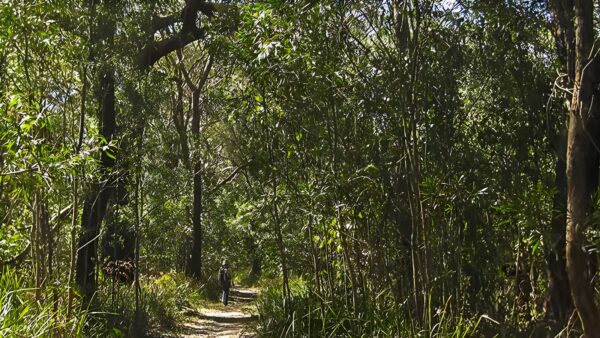
Ancient Dunes and Wetlands at Seven Mile Beach
Overview
Seven Mile Beach National Park sits on the NSW south coast near Shoalhaven Heads, about 15 kilometres east of Nowra. The park covers much of the long sand barrier behind Seven Mile Beach as well as part of Coomonderry Swamp, so it feels like more than a simple strip of coast. What stands out here is the meeting of beach, old dunes, forest and wetland in one compact landscape.
This is also an important part of the Shoalhaven River barrier and delta system. The landforms here were shaped by marine, river and wind-driven processes, and the park still holds a relatively intact example of that pattern. Along this stretch of coast, that makes it a place with real ecological depth as well as obvious seaside appeal.
Highlights
The character of the park comes from its scale and shape. Seven Mile Beach forms a long, open shoreline, while behind it sits an ancient sand barrier with remnant dune features and broad areas of natural coastal vegetation. That combination gives the place a spacious, windswept feel on the beach side and a more sheltered, layered feel once you move back into the dunes and forest.
Coomonderry Swamp adds another dimension. Formed behind the sand barrier, it breaks up the coastal setting with a large wetland system that contrasts with the dry sandy country nearby. Together, the beach, dunes and swamp make this park feel more varied than its name first suggests.
Best Time to Visit
Seven Mile Beach National Park works well at any time of year, but the feel of the place changes with the seasons. Summer is the busiest period, especially on weekends and during school holidays, so outside those peak times the park is usually calmer.
Cooler months can be especially rewarding if you enjoy a quieter atmosphere and an easier walking climate. Winter also coincides with a seasonal influx of swans and ducks to the wider wetland and estuary system, which adds another layer of interest for birdwatchers.
Plants and Animals
The park protects one of the larger areas of natural coastal dune vegetation on this part of the NSW coast. Large areas of coastal dune forest remain on the ancient sand barrier, providing habitat for arboreal mammals and other native animals. There is also an uncommon orchid, Dipodium hamiltonianum, recorded on sandy soils near the southern end of the park.
Coomonderry Swamp is a major ecological feature. It is the only large semi-permanent freshwater wetland on the south coast and holds about one third of this kind of habitat in New South Wales. It supports a wide range of birdlife and is significant for the threatened green and golden bell frog.
The wider Seven Mile Beach and Shoalhaven delta area is especially important for birds. Wetland, estuarine and intertidal habitats support waterbirds, waders and migratory species, while the surrounding forests and dune scrub add habitat for woodland and raptor species.
Culture and Heritage
Aboriginal connections to this area are directly recognised, and the park and adjoining reserve contain Aboriginal sites including middens and shell scatters. The Jerringa community maintains a strong interest in the area, and these cultural places remain an important part of the landscape as well as the park’s environmental story.
Find more places to explore…
Help expand the trail collection!
Know of an official trail not listed on Trail Hiking Australia? I’m focused on showcasing the best tracks managed by land managers, and I’d love your help! Sharing a trail adds to our community and helps others discover safe, new adventures.
Submit your trail here

