Sorry, no records were found. Please adjust your search criteria and try again.
Sorry, unable to load the Maps API.
Explore stunning hiking trails of Sandy Bay
Discover the diverse trails of Sandy Bay, Tasmania, offering hikes and walks for all skill levels and interests. Find your perfect adventure today.
Discover 1 hiking trail in Sandy Bay
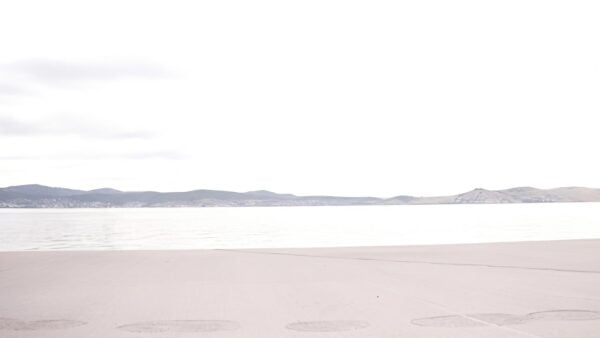

Derwent Foreshore and Hillside Bushland at Sandy Bay
Overview
Sandy Bay sits on the western shore of the River Derwent immediately south of central Hobart, where the suburb’s coastline, headlands and gullies create a mix of open foreshore walking and steeper bushland country. The best-known public reserves here range from the sheltered edge of Little Sandy Bay and Long Beach to the elevated ground at Alexandra Battery and the vegetated slopes of Lambert Gully.
What gives Sandy Bay its character is that contrast between water and hillside. Along the coast the landscape is broad and exposed to light, weather and long views across the estuary, while inland gullies hold remnant bushland and creek lines that feel quieter and more enclosed.
Highlights
The foreshore is the obvious drawcard. Long Beach and Little Sandy Bay bring together a narrow curve of beach, open water and a promenade-like shoreline, with constant views across the Derwent. Around Sandy Bay Point the setting shifts between grassy open space, rocky edges and the broad estuary backdrop that defines this part of Hobart.
For a higher viewpoint, Alexandra Battery stands out. The reserve sits above the river with wide views north toward the city and Tasman Bridge, and south toward South Arm and the mouth of the estuary. Around Blinking Billy Point, the coast becomes steeper and more rugged, with shingle beaches and cliffs giving this end of Sandy Bay a more abrupt, harder-edged feel.
Best Time to Visit
Sandy Bay works well in most seasons, but the most comfortable months for walking are usually spring and autumn, when the foreshore is bright and open without the stronger heat of summer. Clear winter days can also be excellent here, especially on exposed coastal paths and lookouts where the low light sharpens the river and mountain views.
If you are more interested in bushland than shoreline, calmer days after winter rain can make the gullies feel especially fresh, while the coast is often at its best when there is enough breeze and moving water to bring the Derwent to life without turning the shoreline harsh.
Plants and Animals
The bushland side of Sandy Bay still supports native vegetation, especially through Lambert Gully, where the slopes of Lambert Creek sit beneath a canopy of giant blue gums. That gully setting gives the area a noticeably greener feel than the more modified foreshore below.
Along the waterfront, plant life is shaped more by exposure and shoreline change. Parts of the coast around Long Beach are heavily modified, while the headlands and steeper edges near Blinking Billy Point keep a more natural coastal form. Birdlife is a regular part of the experience across both settings, from the open estuary edge to the taller eucalypts in the gullies.
Culture and Heritage
Sandy Bay’s best-documented heritage feature is Alexandra Battery, one of six batteries built in the 1880s as part of the Derwent River defence network. Much of the old fort complex remains, including tunnels, store rooms and the searchlight sites at nearby Blinking Billy Point, which were an important part of the river’s defences from 1890 until the Second World War.
The foreshore at Long Beach also carries an early scientific association. In 1836 Charles Darwin came ashore near here, walked along the foreshore and recorded observations on the local geology and botany before climbing kunanyi / Mount Wellington.
Find more places to explore…
Help expand the trail collection!
Know of an official trail not listed on Trail Hiking Australia? I’m focused on showcasing the best tracks managed by land managers, and I’d love your help! Sharing a trail adds to our community and helps others discover safe, new adventures.
Submit your trail here

