Sorry, no records were found. Please adjust your search criteria and try again.
Sorry, unable to load the Maps API.
Hike the Top End: Explore Ancient Landscapes in the Northern Territory
Unearth adventure in the heart of Australia! The Northern Territory boasts a treasure trove of hiking trails for all experience levels, easily accessible from both Darwin and Alice Springs. Choose from short, scenic walks through ancient landscapes to multi-day treks that will challenge your limits.
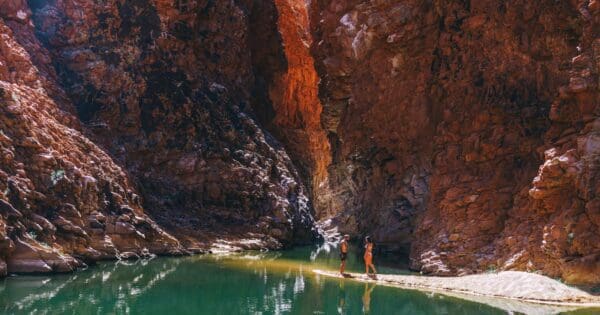
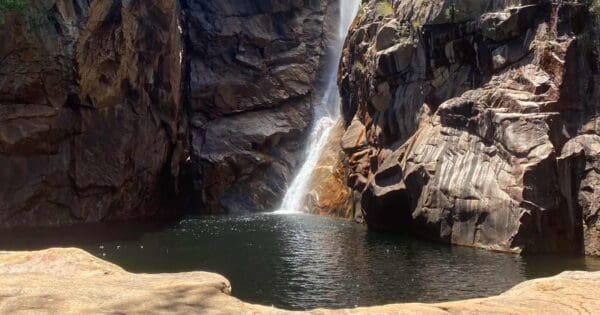
Immerse yourself in the dramatic beauty of the Red Center. Hike through towering sandstone gorges in the West MacDonnell Ranges, following in the footsteps of Aboriginal people for millennia. Explore the spiritual significance of Uluru-Kata Tjuta National Park on designated trails. Venture further into the lush paradise of Kakadu and Litchfield National Parks in the Top End, where waterfalls, swimming holes, and unique wildlife await.
From the rugged isolation of Arnhem Land to the cool serenity of Nitmiluk National Park’s spectacular gorges, the Northern Territory offers unforgettable hiking adventures for every explorer. Start planning your unforgettable adventure today!
Discover 109 hiking trails in Northern Territory
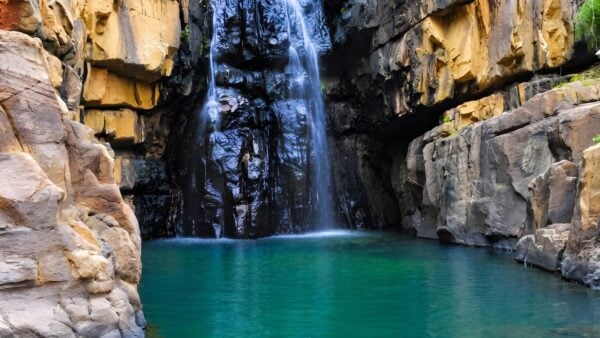

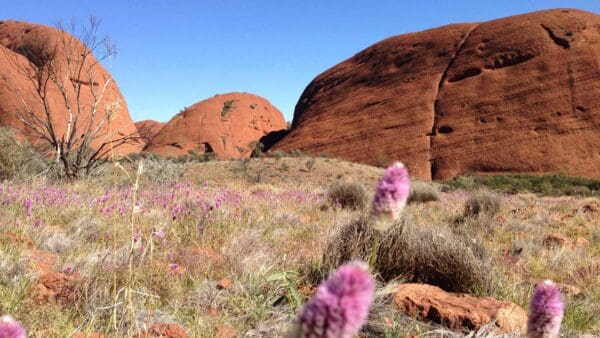

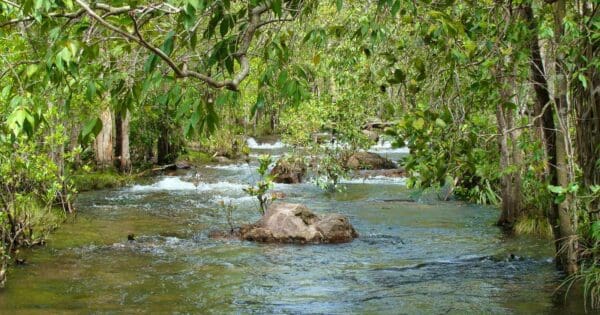

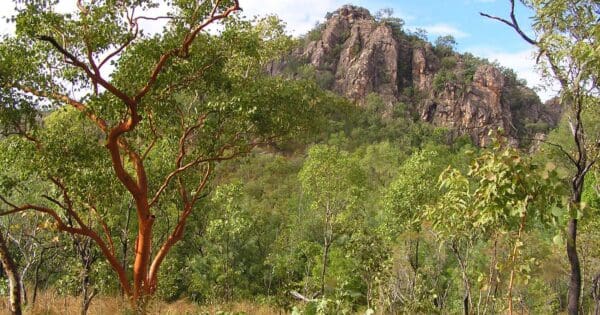
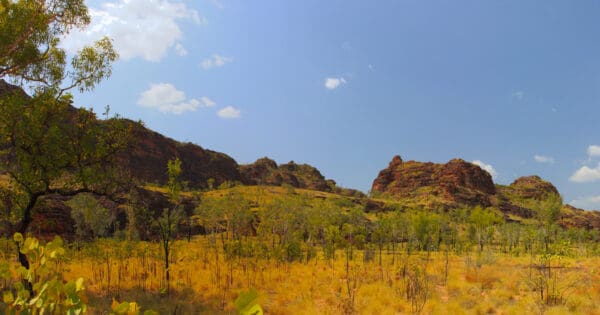
From Monsoon Country to the Red Centre
Overview
The Northern Territory covers about 1.35 million square kilometres, roughly 17 per cent of Australia’s landmass, and its protected areas span an unusually broad range of environments. More than 80 national parks and reserves cover over 50,000 square kilometres, extending from the tropical north around Darwin and Arnhem Land through the Katherine region and Barkly country to the ranges, deserts and rocky uplands of Central Australia.
That north-to-south transition is one of the defining features of hiking in the Territory. Northern landscapes include monsoon forests, open woodland, wetlands, floodplains and mangrove-lined coasts, while farther south the country shifts through grasslands, rocky ranges and arid plains dominated by spinifex and mulga. The Territory Government’s landscape mapping recognises 31 broad regions based primarily on geology and landform, giving some sense of just how varied the country is.
Highlights
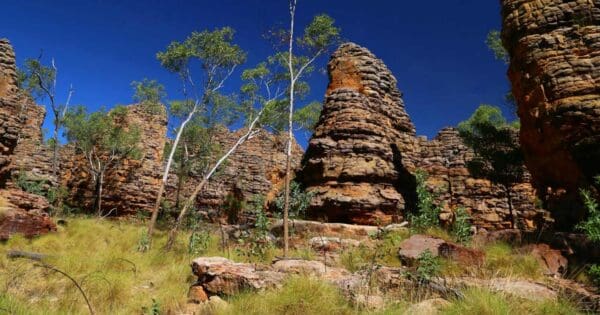
The Northern Territory is shaped by large, strongly defined landforms. In the Top End there are sandstone plateaus, escarpments, deeply cut gorges, broad river systems and extensive seasonal floodplains. The Katherine region marks a transition between tropical and inland environments, with ranges and gorge country becoming increasingly prominent away from the coast.
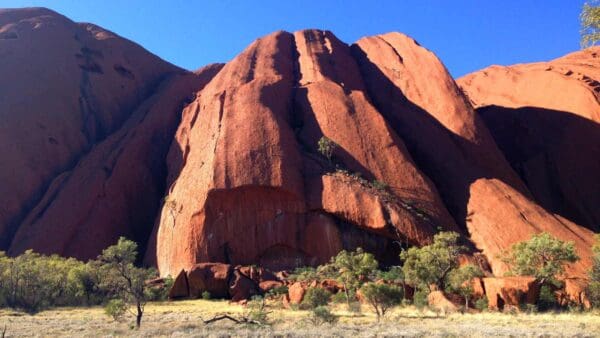
Central Australia has a very different scale and character. Long mountain ranges rise abruptly from open plains, while narrow gorges, rocky valleys, sandstone formations and isolated geological features break up the surrounding arid country. Places such as Tjoritja / West MacDonnell National Park, Watarrka National Park and Finke Gorge National Park protect some of these central landscapes, while parks farther north encompass environments ranging from Arnhem Land sandstone country to the Gulf region’s rivers and striking rock formations.
Best Time to Visit
There is no single hiking season that fits the whole Northern Territory. Across the tropical north, the climate has a pronounced wet season, generally from October to April, and a drier period through the middle of the year. Central Australia has a much more arid climate and considerably greater temperature variation between seasons and between day and night.
For many walkers, the cooler months provide the most comfortable conditions across inland and central parts of the Territory, while the northern dry season changes the character of the Top End considerably. Seasonal conditions are a fundamental part of these landscapes, particularly where rainfall transforms floodplains, rivers and vegetation across northern Australia.
Plants and Wildlife
The Territory’s vegetation reflects its enormous environmental range. Native plant communities include mulga, spinifex and other hummock grasslands, open woodland, closed forest, floodplains and mangroves, with more than 4,200 plant species identified across the Territory. Some vegetation communities stretch across broad inland landscapes, while others occur in much more restricted environments associated with sandstone plateaus, ranges, springs, wetlands and coastal areas.
Animal life is equally varied. The Northern Territory supports around 400 bird species, 150 mammal species, 300 reptile species, 50 frog species and 60 freshwater fish species. Northern wetlands and floodplains can support large concentrations of waterbirds, fish and crocodiles, while the rugged stone country of western Arnhem Land provides habitat for numerous restricted and threatened species. Central Australian ranges also support species with limited distributions, creating very different wildlife communities from those of the tropical north.
Culture and Heritage
The Territory’s protected areas also preserve evidence of more recent exploration, pastoral settlement, mining and transport history. Historical reserves include former telegraph stations, while other parks contain remnants associated with early pastoral enterprises and mining activity. These places form part of a wider heritage record that includes historic archaeological sites, built structures and maritime remains protected under Northern Territory heritage legislation.
The scale and remoteness of the Territory played a major role in that history. Telegraph infrastructure linked distant settlements across inland Australia, pastoral activity spread through suitable grazing country, and mineral discoveries brought periods of intensive development to otherwise sparsely settled regions. In some parks and reserves, surviving structures, ruins and archaeological remains still sit within the same ranges, plains and river country that shaped how those activities developed.
Find more places to explore…
Help expand the trail collection!
Know of an official trail not listed on Trail Hiking Australia? I’m focused on showcasing the best tracks managed by land managers, and I’d love your help! Sharing a trail adds to our community and helps others discover safe, new adventures.
Submit your trail here

