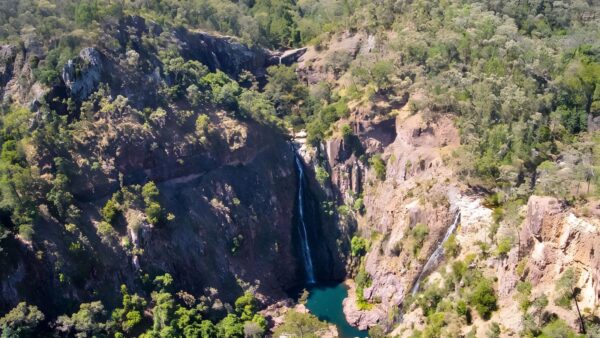
Volcanic High Country Above the North-West Plains
Overview
Mount Kaputar National Park rises out of the Nandewar Range in north-west New South Wales, about 580 kilometres from Sydney and within easy reach of Narrabri. At 50,225 hectares, it protects a large section of elevated country that feels strikingly different from the surrounding plains, with cool uplands, deep valleys and a strong sense of relief as the land lifts sharply above the district.
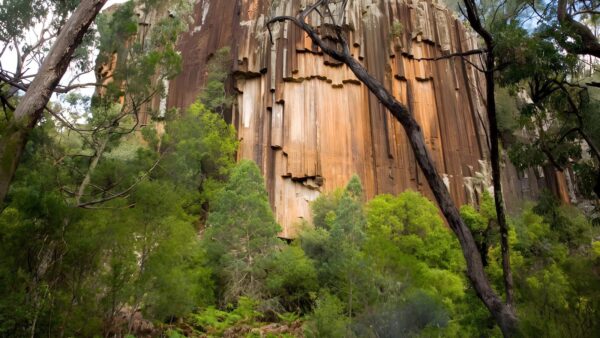
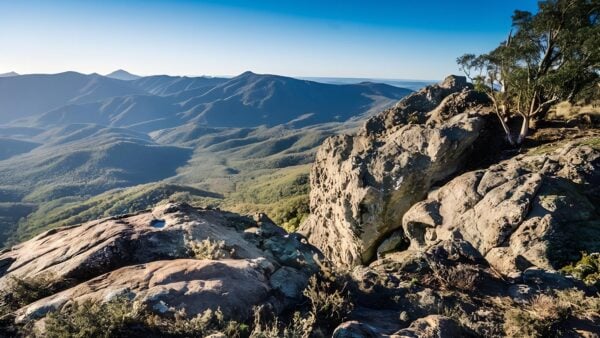
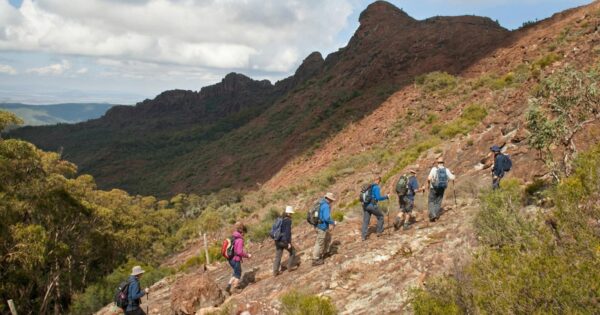
The park’s character comes from an ancient volcanic landscape that has been deeply worn back over time. Basalt, rhyolite and trachyte form much of the Kaputar Plateau, and erosion has left behind the plugs, dykes and rocky outcrops that now shape many of its most memorable views.
Highlights
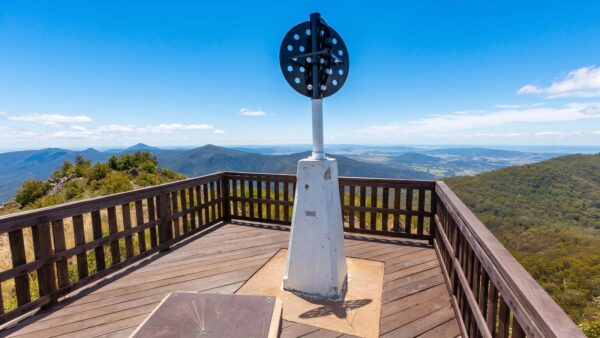
This is a park of big horizons and dramatic landforms. The elevated plateau creates long views across the western plains and along the Nandewar Range, and on clear days the outlook stretches as far as the Pilliga and the Warrumbungles on the southern horizon.
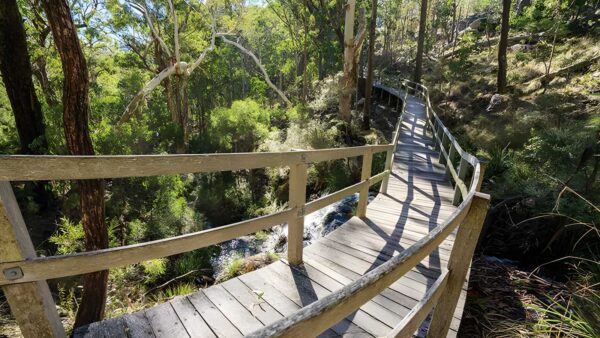
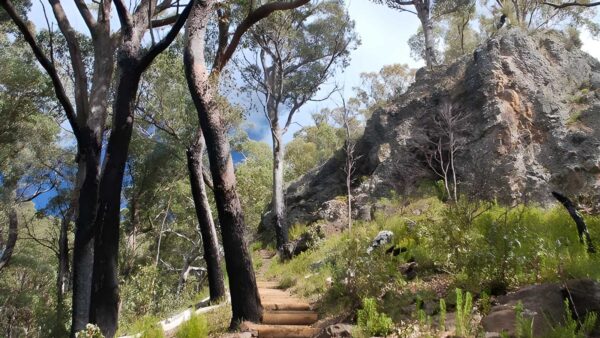
Just as memorable is the contrast within the landscape itself. Broad amphitheatre-like valleys sit alongside narrow V-shaped valleys and canyons, while isolated rock formations and exposed lava country give the park a rugged, sculpted feel that is quite unlike the lower country around it.
Best Time to Visit
Mount Kaputar is especially appealing when you want cooler mountain air than the plains below. The plateau has long been valued as a cool refuge in the warmer months, while winter brings a sharper alpine edge, with severe frosts in the higher country and occasional snow on the highest peaks.
Spring and autumn are often the most comfortable times to appreciate the park’s changing vegetation and wide views, but the seasonal shift is part of what makes this place distinctive year round.
Plants and Animals
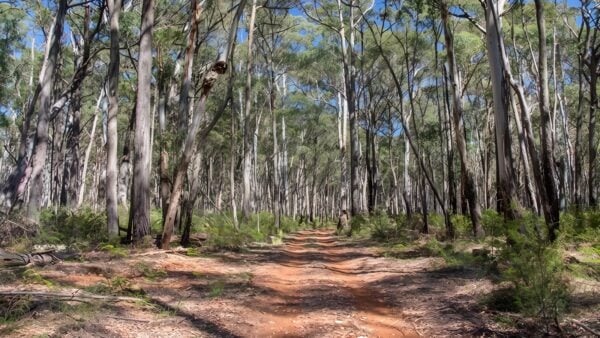
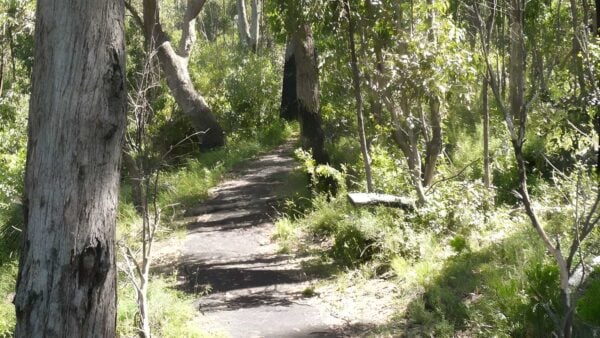
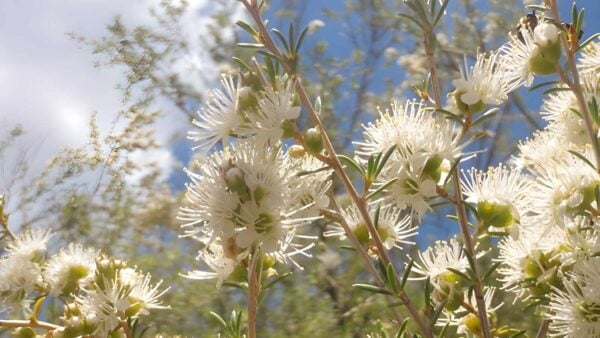
The range in altitude and geology supports an unusually varied mix of plant communities. Higher areas include sub-alpine vegetation around places such as Dawsons Spring, with mountain gum, snow gum and snow grass, while sheltered eastern valleys carry wetter forest with ribbon gum, silvertop stringybark and tree ferns. The park is also important for its plant diversity, with several species found only here or shared only with the Warrumbungle Range.
Animal life is just as varied. More than 260 vertebrate species have been recorded here, including 187 native bird species. The park is considered significant for its large population of greater gliders, and it also provides habitat for species such as the brush-tailed rock-wallaby, glossy black-cockatoo and regent honeyeater. Its isolated high country has also produced unusual invertebrate communities, including high-elevation land snails and slugs recognised as an endangered ecological community.
Culture and Heritage
Mount Kaputar National Park lies on the traditional Country of the Gomeroi People. Aboriginal sites recorded in the park include campsites, artefact scatters, marked trees, axe grinding grooves and some rock carvings, showing a long connection with this mountain country.
The park also holds traces of later history in the Nandewar Range, with remnants linked to early pastoral use and a long tradition of local recreation in the high country dating back to the late nineteenth century.