Volcanic high country above Orange
Overview
Mount Canobolas State Conservation Area sits about 15 kilometres south-west of Orange in the Central West of New South Wales and covers 1,672 hectares. At 1,397 metres above sea level, Mount Canobolas rises more than 500 metres above the surrounding tablelands, making it a defining landmark in this part of the state.
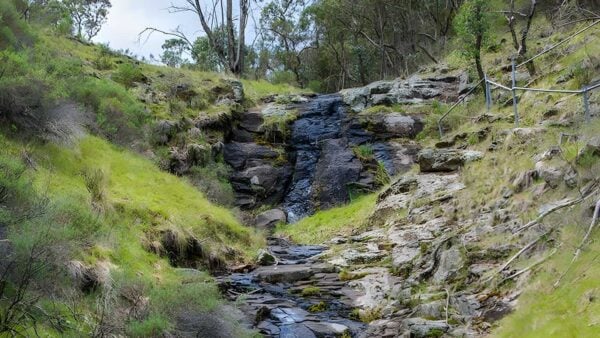
This is an old volcanic landscape rather than a long mountain range, with rounded peaks, domes and plugs left behind after millions of years of erosion. Its height, cool climate and fertile volcanic soils give the area a very different feel from the farmland below, and that contrast is a big part of what makes the place memorable.
Highlights
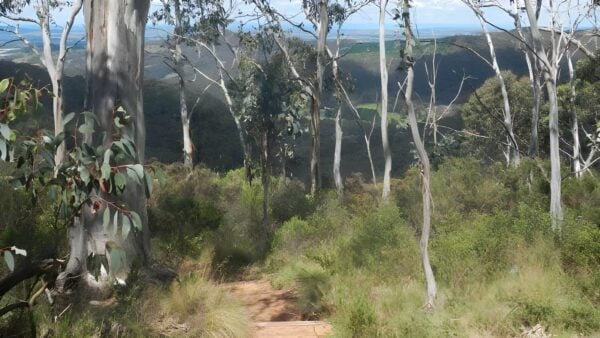
The strongest impression here is the mountain itself. Mount Canobolas is an extinct volcano, and the scenery has a bold, self-contained character shaped by lava domes, high slopes and exposed rocky peaks. From the upper parts of the reserve there are wide views across the Central West tablelands and slopes, with Orange visible to the north-east and a sweep of surrounding ranges and reserves beyond.
Because the mountain stands apart from other high country, the landscape feels elevated and open in a way that is unusual for inland New South Wales. The mix of volcanic landforms, cooler upland weather and broad outlooks gives the area a distinct alpine edge without leaving the Central West.
Best Time to Visit
Mount Canobolas is worth seeing in any season, but the cooler months and the shoulder seasons often show the place at its most characteristic. Its high elevation creates a noticeably cooler climate than the country around Orange, so summer can be a pleasant time for being up on the mountain, while autumn and spring tend to bring clear air and good visibility across the surrounding district.
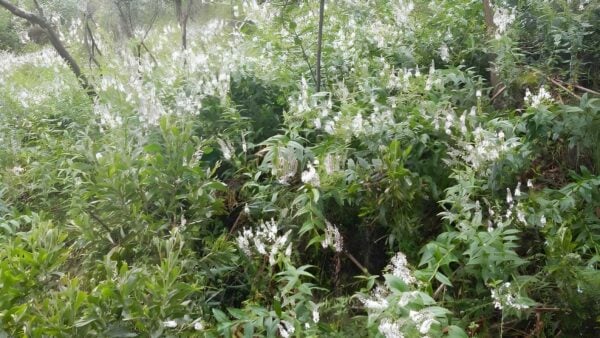
Spring is also a rewarding time for wildflowers, especially in the higher country where the park’s distinctive plant communities come into their own.
Plants and Animals
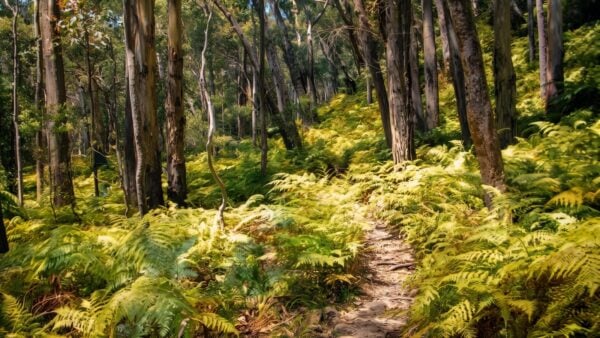
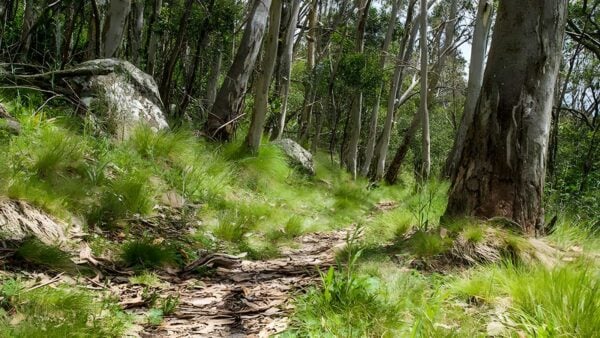
The park contains one of the few subalpine areas in the Central West and one of the largest remnants of subalpine vegetation in the region. That isolation has helped produce plant and animal communities that are distinct from similar habitats elsewhere in New South Wales.
A number of threatened species and communities occur here, including the critically endangered Prostanthera gilesii and the vulnerable silver-leaf candlebark. The endangered Mount Canobolas Xanthoparmelia lichen community is also known only from this mountain. In a landscape where much of the native vegetation has long been cleared for agriculture, the reserve stands out as an important remnant of cooler, high-altitude habitat.
Culture and Heritage
Mount Canobolas State Conservation Area is in the traditional Country of the Wiradjuri People, who have a long connection with the mountain and surrounding lands. The name Canobolas comes from the Wiradjuri words gaanha bulla, meaning two shoulders, referring to the two main peaks of Old Man Canobolas and Young Man Canobolas.
The mountain is also recognised as a major Wiradjuri ceremonial site, and the cultural landscape remains part of continuing connections to Country. Those connections include cultural knowledge, caring for the land, and the ongoing use and understanding of the area across generations.