High Country Snow Gums and Summit Country at Mount Buller
Overview
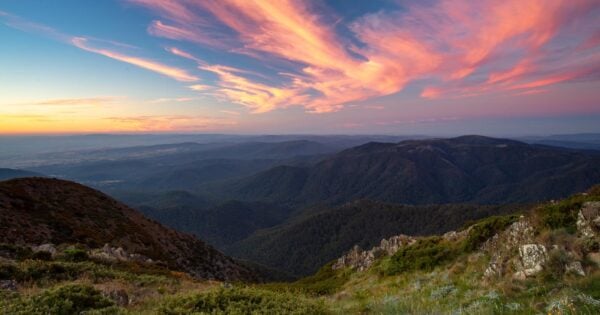
Mount Buller Alpine Resort sits in Victoria’s High Country, about three hours north-east of Melbourne, with the resort rising to 1,805 metres. It shares this alpine setting with neighbouring Mount Stirling, but Mount Buller stands out for its compact village, high ridgelines and broad summit country above the tree line. The resort also sits at the headwaters of the Howqua and Delatite rivers, which gives the mountain a strong sense of elevation and exposure that carries right through the landscape.
Although it is best known as a snow destination, Mount Buller is an alpine environment first. Water, weather and seasonal change shape the mountain year-round, and recent planning for the resort reflects how closely its future is tied to snow depth, rainfall and warmer conditions across Victoria’s Alps.
Highlights
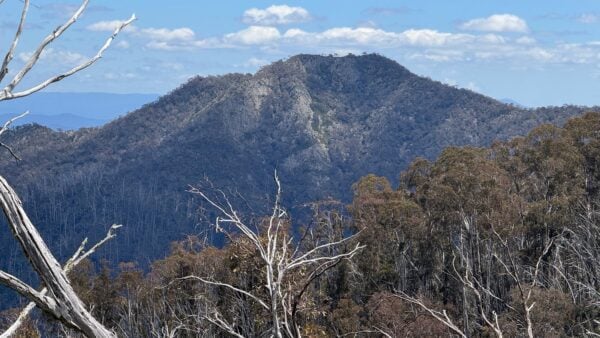
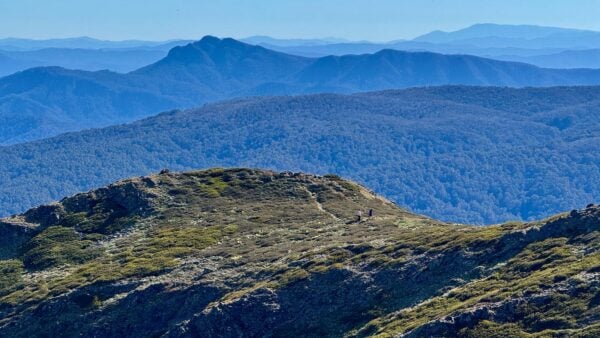
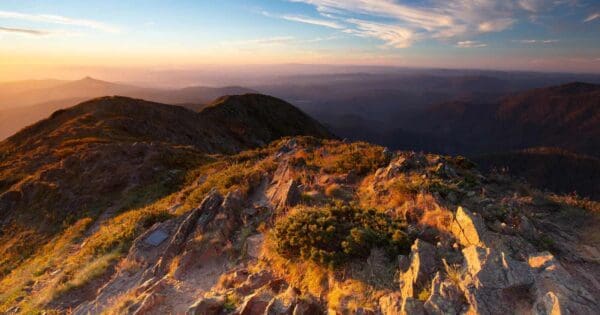
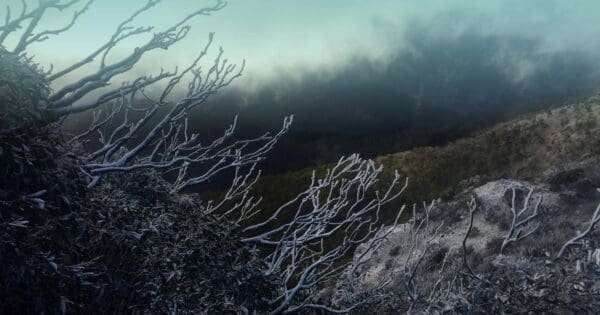
What makes Mount Buller memorable is the contrast between sheltered snow gum slopes and the more open country near the summit. Higher ridges and upper slopes support snow gum woodland, then give way to treeless alpine and subalpine vegetation where wind, cold and exposure start to dominate. Around the top of the mountain, that creates a more open landscape of grassland, heath and rocky alpine ground.
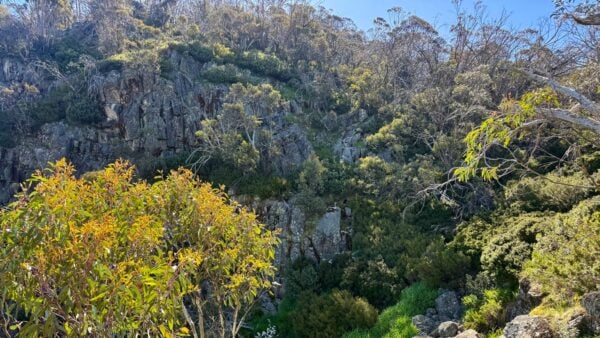
The mountain’s setting at the top of several river catchments adds to its scenic character. Creeks begin high on the resort, and the land falls away into surrounding valleys, so even short viewpoints can feel far-reaching and elevated. There are also boulder-field areas on Mount Buller’s southern slopes, which are part of the mountain’s distinctive alpine terrain.
Best Time to Visit
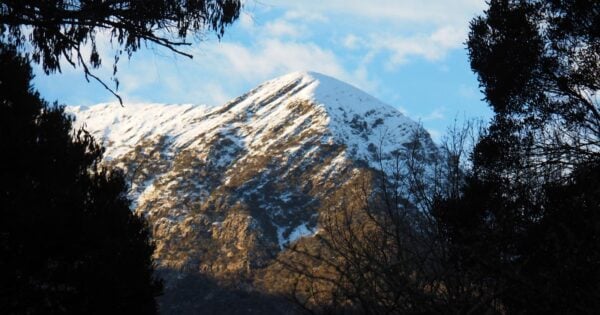
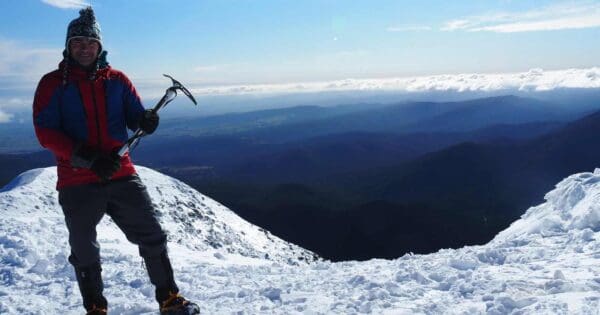
Mount Buller changes sharply with the seasons, so the best time to visit depends on the kind of alpine landscape you want to see. Winter brings snow cover and the classic white mountain setting the resort is known for. Outside the snow season, the mountain shifts back to open high-country ground, snow gum woodland and cooler alpine conditions that feel very different from lower elevations.
Late spring through autumn is often the clearest time to appreciate the shape of the mountain itself, especially the contrast between the upper treeless areas and the wooded slopes below. Seasonal conditions have become less predictable as snowfall and natural snow depth decline, so the look and feel of the resort can vary noticeably from year to year.
Plants and Animals
Mount Buller supports a mix of alpine and subalpine plant communities. Snow gum woodland covers many of the higher slopes, while the summit areas include treeless mosaics of alpine grassland, shrubland, wet heathland and rocky outcrop vegetation. These communities reflect the mountain’s cold, exposed conditions and help give the resort its distinctly alpine character.
The resort is also important habitat for threatened alpine fauna. Mount Buller is one of the few places in Victoria where the endangered Mountain Pygmy-possum occurs, with habitat centred on boulder-fields and rocky sites at higher elevations. Bogong moths are part of that alpine ecosystem as well, using rock crevices and block streams and forming an important food source for the possum. Other specialised species recorded in the resort include the Alpine Bog Skink.
Culture and Heritage
Mount Buller Alpine Resort is on Taungurung Country, specifically connected with the Yowung-illum-balluk clan. Current planning for the resort recognises Taungurung cultural values and the importance of ongoing engagement around land, water and Country.