Sorry, no records were found. Please adjust your search criteria and try again.
Sorry, unable to load the Maps API.
Explore stunning hiking trails of Monga National Park
Discover the diverse trails of Monga National Park, New South Wales, offering hikes and walks for all skill levels and interests. Find your perfect adventure today.
Discover 2 hiking trails in Monga National Park
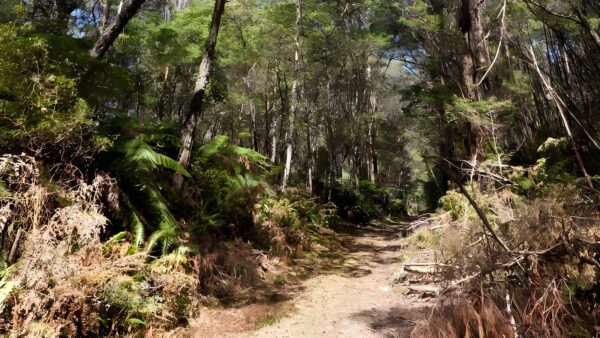

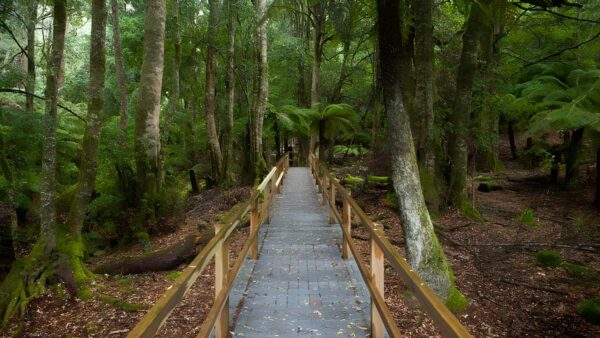

Ancient Rainforest and Escarpment Forests at Monga
Overview
Monga National Park sits on the coastal ranges of south-eastern New South Wales, between the tablelands around Braidwood and the coast. It is known for a surprisingly rich mix of forest types in a relatively compact area, from cool and warm temperate rainforest to old growth eucalypt forest. That change in altitude, moisture and shelter gives the park a very different feel from the drier country nearby.
The park was reserved as a national park in 2001. Today it protects a section of the far south coast escarpment where steep gullies, river flats and heavily forested slopes create a landscape that feels lush, enclosed and deeply shaded in places.
Highlights
The real character of Monga comes from its escarpment setting. Steep slopes, sheltered creek lines and forested ridges create a layered landscape rather than one single landmark, with the scenery shifting from open eucalypt country into dense, fern-filled rainforest.
One of the most distinctive features here is the extent of rainforest for this part of New South Wales. Monga contains large stands of pinkwood rainforest as well as pockets of cool temperate rainforest in misty gullies, giving the park a softer, greener look than many inland parks. In season, the bright flowers of the Monga waratah add another strong note of colour to the forest.
Best Time to Visit
Monga is worth visiting year-round, but the cooler months are often the most comfortable for walking, especially when you want to enjoy the shaded forest and rainforest gullies at an unhurried pace. At that time of year the air is usually crisp and the contrast between damp gullies and drier ridges is easy to appreciate.
Late summer into early autumn can be especially rewarding in the rainforest, when pinkwood produces its white flowers. Waratah flowering also adds interest seasonally, though timing can vary from year to year.
Plants and Animals
Plant life is one of the main reasons Monga feels so distinctive. Across the park and the surrounding escarpment country, vegetation includes eucalypt forest, rainforest, riparian forest, swamps, bogs and heath. In the more remote parts, long-undisturbed forest has allowed old growth eucalypt stands to persist, with the mix of tall canopy trees, damp gullies and sheltered creeks creating strong habitat variety.
Monga is especially important for rainforest communities. Large stands of pinkwood occur here, and cool temperate rainforest survives in small, sheltered gullies at higher elevations. Some of these plants have clear Gondwanan links, including pinkwood and soft tree ferns.
That diversity of habitat supports a rich animal community. Old growth and moist forests are particularly important for hollow-nesting birds and arboreal mammals, while rainforest and creek-side habitats provide refuge in dry times. Species recorded in the wider escarpment parks include the spotted-tailed quoll, yellow-bellied glider, white-footed dunnart, regent honeyeater, glossy black-cockatoo and several owl species.
Find more places to explore…
Help expand the trail collection!
Know of an official trail not listed on Trail Hiking Australia? I’m focused on showcasing the best tracks managed by land managers, and I’d love your help! Sharing a trail adds to our community and helps others discover safe, new adventures.
Submit your trail here

