Where karri forest meets the limestone capes
Overview
Leeuwin-Naturaliste National Park runs for about 100 kilometres along the coast from Bunker Bay near Cape Naturaliste to Cape Leeuwin south of Augusta, roughly 280 kilometres south of Perth. Rather than one single block of bush, it is a long, varied park made up of separate reserves strung along the Leeuwin-Naturaliste Ridge and the surrounding coast.
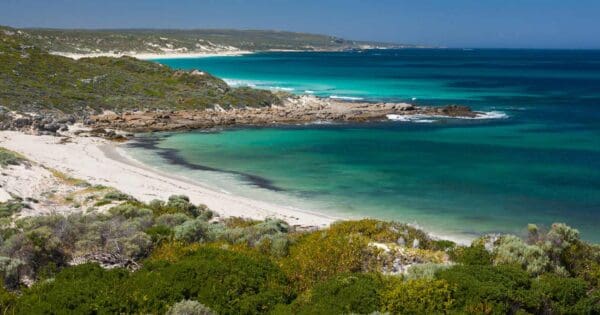
What makes this park stand out is the way the landscape changes across a relatively narrow strip of country. On the exposed western side there are cliffs, dunes and low coastal heath, while the more sheltered side carries taller woodland and karri forest. Underneath it all is a limestone system that has shaped much of the park’s character, including its many caves.
Highlights
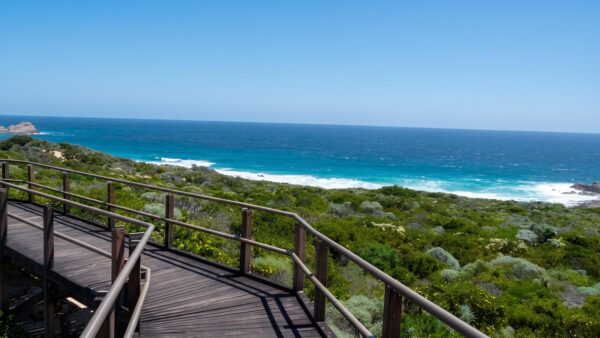
This is one of the most visually varied stretches of coast in Western Australia. The ridge rises to about 200 metres above sea level, creating a strong meeting point between high ground, forested slopes and open ocean. Along the western side, rocky headlands, limestone cliffs, beaches and dune systems give the coastline its changing character, while inland sections add a greener, more enclosed feel.
The limestone cave country is a defining part of the park’s scenery as much as its geology. Above ground, places such as the Boranup area are known for tall pale-barked karri and broad views over forest, coastal heath and the Indian Ocean, which gives the southern end of the park a very different mood from the wind-shaped capes further north.
Best Time to Visit
Spring is often the most appealing time to be here if you want mild weather and the park looking fresh after winter rain. That said, Leeuwin-Naturaliste works well across much of the year because its appeal is not tied to a single season. Cool months suit longer days out and greener forest scenes, while the warmer months bring clearer beach weather and those long evening sunsets over the Indian Ocean.
Plants and Animals
The park supports a strong coastal-to-forest mix of vegetation, from low scrub heath on the exposed western side of the ridge to tall karri forest on the sheltered lee side. That range of habitats is a big part of why the park feels so changeable from place to place, even over short distances.
Its cave systems are especially important for wildlife. The ridge’s geological history has produced a distinctive invertebrate fauna, with snails singled out as a notable example, while the broader park also supports a mix of vertebrate species across heath, woodland and forest environments.
Culture and Heritage
Leeuwin-Naturaliste National Park is recognised as Wardandi country. The park also sits within a broader part of the south-west that has long Aboriginal cultural connections, and those connections remain an important part of how the place is understood today.