Ancient Limestone Country on the Edge of the Blue Mountains
Overview
Jenolan Karst Conservation Reserve sits in the south-east highlands of New South Wales, about 29km south-east of Oberon and 74km south-west of Katoomba. It covers 3,085 hectares on the western edge of the Blue Mountains and forms part of the Greater Blue Mountains World Heritage Area.
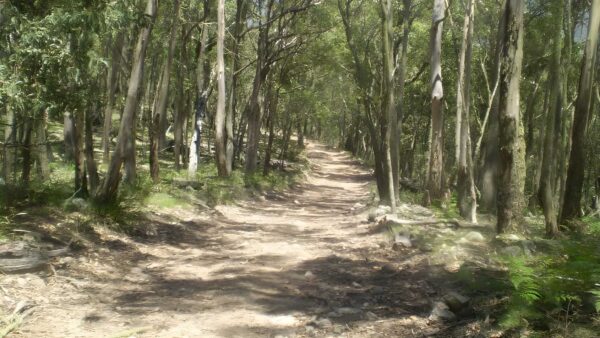
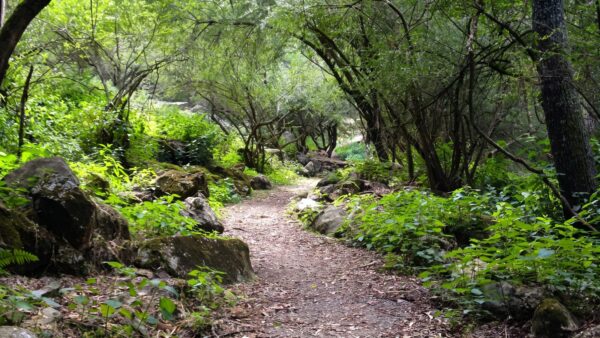
What makes this place stand out is its karst landscape. More than 300 recorded caves and karst features lie within the reserve, with a large proportion of the known cave passages linked into a single system spread across three catchments. Above ground, the reserve also protects forested slopes, river country and limestone landforms that give the whole area a very different feel from the surrounding tablelands.
Highlights
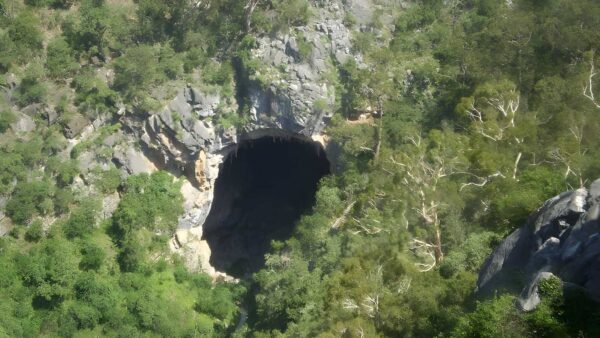
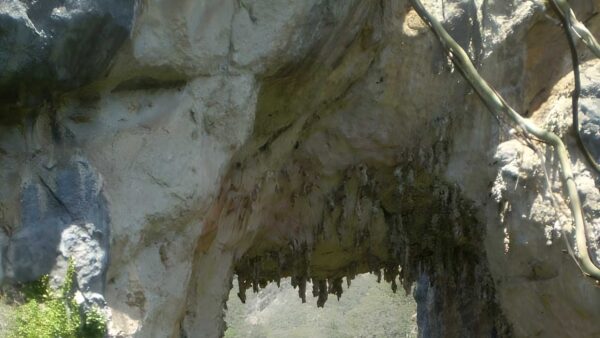
The defining feature here is the limestone itself. Jenolan is known for a vast cave system, underground rivers and a concentration of surface karst features that are unusual at this scale. The reserve’s limestone walls, arches and cave entrances create a landscape that feels sharply sculpted and full of hidden depth.
Some of the best-known natural features are the Grand Archway, Devils Coach House and Carlotta Arch, along with the Jenolan River and the Blue Lake area. McKeowns Valley is also especially significant for its karst formations, with landforms that show long-running geological change in remarkable detail.
Best Time to Visit
This is a place that can reward a visit at any time of year because so much of its character comes from the caves, limestone gorges and sheltered river corridors rather than one short seasonal display. Cooler months usually suit people who enjoy crisp mountain air and clear conditions, while the greener periods after rain can make the forested sections and watercourses feel especially vivid.
Jenolan’s elevation in the highlands means temperatures are generally cooler than Sydney, so even in warmer months it can feel more temperate than lower country. Seasonal changes are more about atmosphere than headline events, which makes timing less important here than an interest in the reserve’s geology and setting.
Plants and Animals
The reserve protects both cave and karst environments and the surrounding eucalypt-dominated bushland of the Greater Blue Mountains. Its varied landforms create a mix of habitats, and some plant species found here are more commonly associated with rainforest settings, suggesting the karst landscape can act as a local refuge.
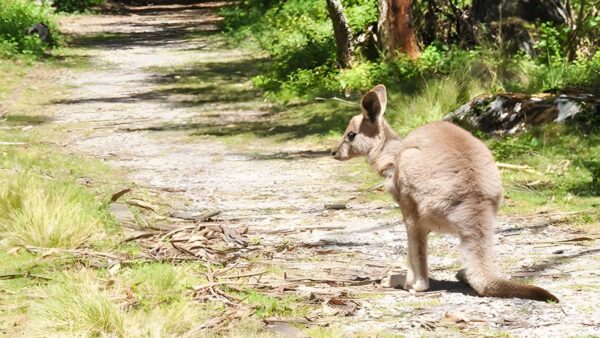
Animal life is just as varied. The caves provide roosting habitat for thousands of bats, including the threatened eastern bentwing-bat. Along waterways and in the broader reserve, species recorded here include platypus, bare-nosed wombat, echidna, common brushtail possum and spotted-tailed quoll. The reserve also supports brush-tailed rock-wallaby habitat.
Culture and Heritage
Jenolan Karst Conservation Reserve is on the traditional Country of the Gundungurra and Wiradjuri Aboriginal people. The caves also hold particular significance for Gundungurra people, who knew them as Binoomea, meaning dark places. Cultural stories connected with the cave landscape are part of the long human history of this area.
The reserve also has an important place in the history of conservation in New South Wales. Land here was first set aside in 1866 for the preservation of the caves, making Jenolan one of the earliest protected cave areas in the world and one of Australia’s first tourist attractions. That long history is still visible in the heritage character of the precinct around the caves.